The Complete Home Inspection Guide for Madeira Beach Buyers
Learn what to expect during a home inspection and how to protect your investment in Madeira Beach real estate.

Understanding the Home Inspection Process and Timeline
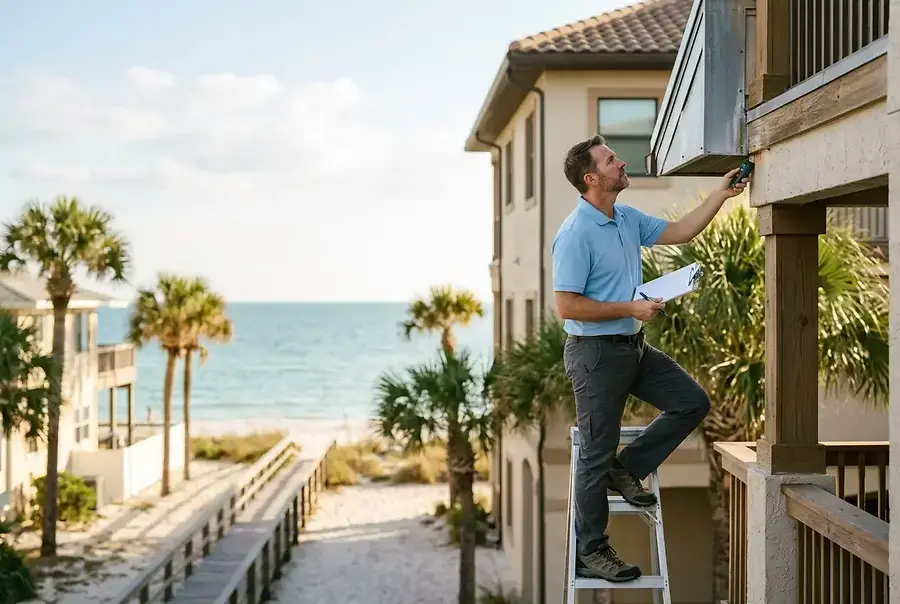
A home inspection is one of the most critical steps in the home-buying process, especially in Madeira Beach where coastal conditions can impact property integrity. The inspection typically takes 2-4 hours depending on the home's size and age. During this time, a certified inspector will thoroughly examine the property's structural components, systems, and overall condition.
The inspection process begins with the exterior evaluation, where inspectors assess the roof, siding, foundation, and landscaping. They'll look for signs of water damage, erosion, and weathering—common concerns in beachfront and near-beach properties. Next comes the interior inspection, which covers walls, ceilings, flooring, and visible structural elements.
The inspector will then evaluate all major systems including:
- Electrical systems and panel
- Plumbing and water pressure
- HVAC systems and air conditioning
- Appliances and fixtures
- Insulation and ventilation
After the inspection, you'll receive a detailed report within 24-48 hours. This report is your roadmap for negotiations and future maintenance planning.
Common Issues Found in Madeira Beach Properties and How to Address Them
Salt Air Corrosion and Metal Deterioration
Madeira Beach's proximity to the Gulf of Mexico means properties face unique challenges. Salt air corrosion is one of the most common issues affecting metal components, including air conditioning units, electrical fixtures, and roofing materials. Inspectors will check for rust, oxidation, and deterioration on these elements.
How to address it: Request that the seller replace corroded components or negotiate a credit for repairs. Consider upgrading to salt-resistant materials during renovations.
Water Intrusion and Moisture Damage
High humidity and occasional flooding make water intrusion a significant concern. Inspectors look for signs of water damage in attics, crawl spaces, basements, and around windows and doors. Mold growth and soft wood are red flags indicating moisture problems.
How to address it: Have a mold specialist conduct additional testing if moisture is detected. Ensure proper drainage systems and consider waterproofing treatments before closing.
Roof and Structural Concerns
The intense sun and salt air can accelerate roof deterioration. Inspectors will assess shingle condition, flashing integrity, and overall structural soundness. Many older Madeira Beach homes may have outdated roofing systems that need replacement.
How to address it: Obtain a separate roof inspection if concerns are noted. Budget for roof replacement within 5-10 years if the current roof is aging.
HVAC and Air Conditioning Issues
The constant use of air conditioning in Florida's climate means these systems work overtime. Inspectors will test cooling efficiency, check refrigerant levels, and evaluate the age of the unit.
How to address it: Request regular maintenance records and negotiate replacement costs if the unit is near the end of its lifespan (typically 10-15 years).
Questions to Ask Your Inspector and Red Flags to Watch For
Essential Questions to Ask
- What is the age of the roof, and what is its expected lifespan? This is crucial for budgeting future repairs.
- Are there any signs of water damage or moisture issues? Ask specifically about the attic, basement, and crawl spaces.
- How is the foundation condition? Look for cracks, settling, or structural concerns.
- What maintenance has been performed on major systems? Request documentation of HVAC servicing and plumbing repairs.
- Are there any code violations or unpermitted work? This can affect insurance and resale value.
- What is the condition of the electrical panel? Outdated panels may need upgrading.
Red Flags to Watch For
During the inspection, be alert to these warning signs:
- Visible mold or mildew on walls, ceilings, or in crawl spaces
- Water stains on ceilings or walls indicating past or present leaks
- Sagging roof lines or missing shingles
- Cracks in the foundation or evidence of settling
- Outdated electrical wiring (knob-and-tube or aluminum wiring)
- Rust or corrosion on metal components and fixtures
- Poor drainage around the property foundation
- Pest damage or evidence of termites and wood-boring insects
If you notice any of these issues, ask your inspector for detailed explanations and repair estimates. Don't hesitate to request a second opinion from a specialist if needed.
Conclusion: Using Inspection Results to Negotiate and Make Informed Decisions
The home inspection report is a powerful negotiating tool. Once you receive the report, you have several options:
Request repairs: Ask the seller to fix significant issues before closing. This is especially important for structural problems, electrical hazards, and water damage.
Negotiate credits: If repairs are minor, request a credit toward closing costs or a price reduction to handle repairs yourself.
Walk away: If major issues are discovered and the seller won't negotiate, you have the right to terminate the purchase agreement during the inspection period.
Plan for future maintenance: Use the inspection report to create a maintenance schedule and budget for upcoming repairs. This helps you protect your investment long-term.
Remember: A thorough home inspection is not just about finding problems—it's about making an informed decision and protecting your financial investment in Madeira Beach real estate.
By understanding the inspection process, knowing what issues are common in Madeira Beach properties, and asking the right questions, you'll be well-equipped to navigate the home-buying process with confidence. Your inspector is your advocate, so use their expertise to ensure you're making the best decision for your family and your future.


