The Complete Home Inspection Guide for Marshall, MO Homebuyers
Master the critical inspection process to protect your investment and avoid costly surprises when purchasing a home in Marshall.

Why Home Inspections Matter in Marshall's Market
Purchasing a home is one of the most significant financial decisions you'll make in your lifetime. In Marshall, Missouri's competitive real estate market, a professional home inspection is your best defense against inheriting costly problems. Whether you're a first-time homebuyer or an experienced investor, understanding what happens during an inspection can save you thousands of dollars and prevent future headaches.
A thorough home inspection provides an objective assessment of a property's condition before you commit to the purchase. This critical step allows you to make informed decisions, identify necessary repairs, and negotiate effectively with sellers. In Marshall's diverse housing market—ranging from historic Victorian homes to modern suburban properties—inspections are tailored to each property's unique characteristics and age.
What Professional Inspectors Look For in Marshall Homes
Structural Integrity and Foundation
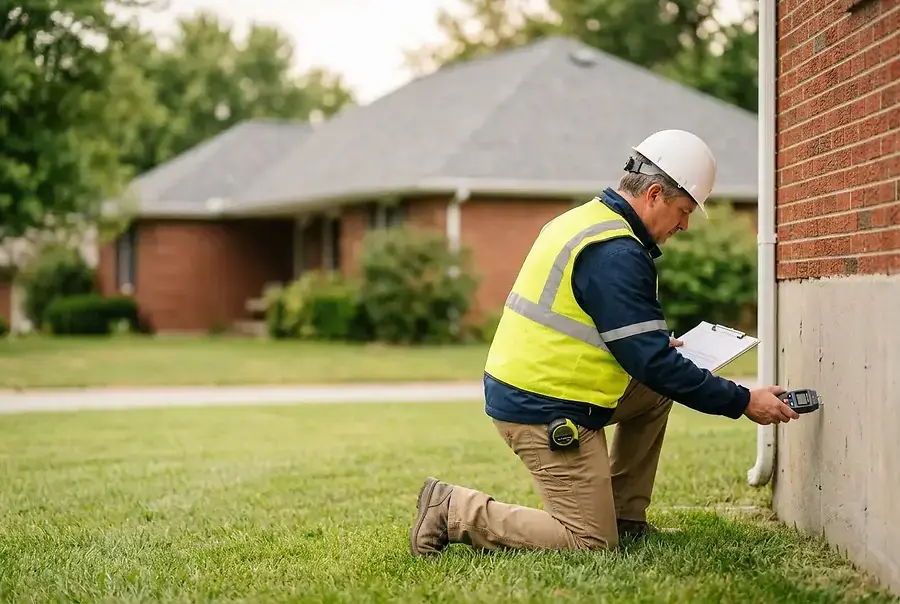
Professional inspectors begin by examining the foundation, which is crucial for any home's longevity. They look for:
- Cracks in concrete or brick foundations
- Signs of settling or shifting
- Water damage or moisture intrusion
- Proper grading around the foundation
Marshall's clay-heavy soil can contribute to foundation movement, making this inspection particularly important in the area.
Roofing and Exterior Systems
The roof protects everything beneath it, so inspectors carefully evaluate:
- Shingle condition and remaining lifespan
- Flashing around chimneys and vents
- Gutters and downspout functionality
- Exterior siding, trim, and paint condition
- Windows and door seals
Given Marshall's weather patterns with significant seasonal changes, a well-maintained roof is essential for protecting your investment.
Plumbing and Water Systems
Inspectors test water pressure, check for leaks, and examine:
- Water heater age and condition
- Pipe materials and connections
- Drain functionality
- Septic systems (for properties outside city limits)
- Water quality and supply adequacy
Electrical Systems
A comprehensive electrical inspection includes:
- Panel capacity and breaker functionality
- Grounding and bonding
- Outlet and switch safety
- Proper wiring gauge and installation
- GFCI protection in wet areas
Heating, Cooling, and Ventilation
Inspectors evaluate HVAC systems for efficiency and safety, checking furnace condition, air conditioning performance, and proper ventilation throughout the home.
Interior Spaces and Appliances
Professional inspectors examine walls, ceilings, floors, and built-in appliances, looking for water damage, mold, structural issues, and proper functionality.
Red Flags and Problem Areas Specific to Marshall Properties
Moisture and Mold Issues
Marshall's humid climate creates ideal conditions for moisture problems. Inspectors pay special attention to:
- Basement dampness or standing water
- Visible mold growth in crawl spaces
- Water stains on ceilings and walls
- Musty odors indicating hidden moisture
These issues can lead to significant health concerns and expensive remediation if left unaddressed.
Aging Infrastructure in Historic Homes
Marshall features many beautiful historic properties, but older homes often have:
- Outdated electrical systems with insufficient capacity
- Knob-and-tube wiring requiring replacement
- Galvanized pipes prone to corrosion
- Asbestos in insulation, flooring, or roofing materials
- Lead paint requiring professional abatement
These discoveries don't necessarily disqualify a property, but they require professional evaluation and budgeting for remediation.
HVAC System Concerns
Many Marshall homes rely on aging heating and cooling systems. Inspectors look for:
- Furnaces and air conditioners nearing end-of-life
- Inadequate ductwork or insulation
- Improper ventilation causing indoor air quality issues
Roof and Exterior Deterioration
Weather exposure takes its toll on Marshall properties. Common issues include:
- Curling or missing shingles
- Deteriorated flashing
- Rotted fascia or soffit
- Compromised caulking around windows and doors
Foundation and Grading Problems
Poor drainage around the foundation is a leading cause of water intrusion. Inspectors check for:
- Improper grading directing water toward the home
- Missing or ineffective gutters
- Cracks allowing water penetration
- Evidence of previous water damage or repairs
Using Inspection Results to Negotiate and Protect Your Purchase
Understanding Your Inspection Report
A professional inspection report categorizes findings by severity. Critical issues require immediate attention, while minor concerns can often be addressed over time. Take time to understand each finding and ask your inspector for clarification on anything unclear.
Negotiation Strategies
Armed with inspection results, you have several negotiation options:
- Request repairs: Ask the seller to fix critical issues before closing
- Price reduction: Negotiate a lower purchase price to account for repairs you'll handle
- Escrow accounts: Set aside funds for specific repairs at closing
- Inspection contingency: Include contingencies allowing you to renegotiate or withdraw
Planning for Future Maintenance
Use inspection findings to create a maintenance plan and budget. Understanding your home's condition helps you prioritize repairs and plan for replacements, preventing emergency situations and unexpected expenses.
Protecting Your Investment
Consider obtaining a home warranty that covers major systems and appliances. This additional protection provides peace of mind and financial security during your first years of ownership.
"A thorough home inspection is not an expense—it's an investment in your peace of mind and financial security. The small cost of an inspection can prevent thousands in unexpected repairs."
Conclusion
A comprehensive home inspection is essential for any Marshall homebuyer serious about protecting their investment. By understanding what inspectors look for, recognizing red flags specific to Marshall properties, and using inspection results strategically, you can make confident purchasing decisions and avoid costly surprises.
Don't skip this critical step in the home-buying process. Hire a qualified, licensed home inspector, review the findings thoroughly, and use the information to negotiate effectively. Your future self will thank you for the diligence you invest today.