The Complete Home Inspection Guide for Minneapolis Homebuyers
Discover what professional inspectors look for and how to protect your investment in Minneapolis real estate.

Why Home Inspections Matter in Minneapolis
Purchasing a home is one of the most significant financial decisions you'll make in your lifetime. In Minneapolis, where homes range from historic Victorian properties to modern suburban residences, a professional home inspection is essential to understanding what you're truly buying. A thorough inspection can reveal hidden problems that could cost thousands of dollars to repair, giving you the leverage to negotiate better terms or walk away from a problematic property.
Home inspections serve as your protection against unforeseen issues. Rather than discovering problems after closing, a qualified inspector will identify concerns upfront, allowing you to make informed decisions about your investment. In Minneapolis's diverse housing market, this due diligence is particularly important given the variety of home ages and construction styles.
Key Areas Inspectors Examine in Minnesota Homes
Structural Components and Foundation
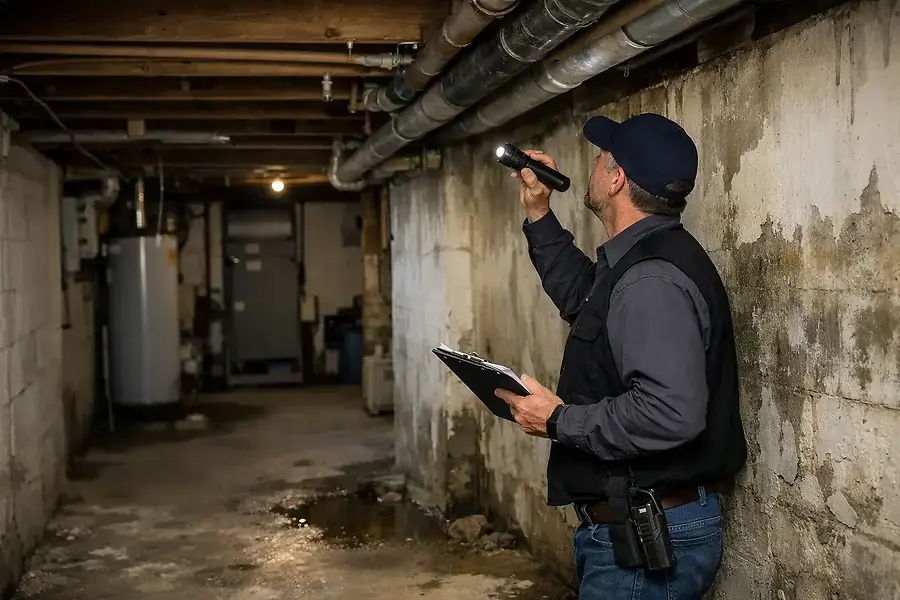
Inspectors begin by evaluating the home's foundation, which is critical in Minnesota where freeze-thaw cycles can cause significant damage. They look for cracks, settling, water intrusion, and signs of structural movement. The basement or crawl space inspection is particularly important in Minneapolis homes, as moisture problems are common in this region.
Roofing and Exterior
Minnesota's harsh winters make roof condition paramount. Inspectors examine shingles, flashing, gutters, and drainage systems. They assess the roof's age and remaining lifespan, as well as check for ice dam damage—a frequent problem in Minneapolis. The exterior siding, windows, and doors are also evaluated for weather-tightness and proper maintenance.
Heating and Cooling Systems
Given Minnesota's cold climate, heating systems receive thorough scrutiny. Inspectors test furnaces, heat pumps, and boilers to ensure they operate efficiently and safely. Air conditioning systems are also evaluated for proper function. These systems are essential investments in Minneapolis homes and can be expensive to replace.
Plumbing and Water Systems
Inspectors check water pressure, drainage, and the condition of pipes throughout the home. In older Minneapolis properties, galvanized pipes may need replacement. They also examine water heaters, looking for age, corrosion, and proper installation. Sump pump functionality is particularly important in Minnesota basements.
Electrical Systems
A complete electrical inspection includes checking the panel, wiring, outlets, and switches. Inspectors verify that the system meets current safety codes and can handle modern electrical demands. Older Minneapolis homes may have outdated electrical systems that need upgrading.
Interior Components
Inspectors examine walls, ceilings, floors, and insulation. They look for water damage, mold, pest evidence, and proper ventilation. Attic insulation levels are assessed, as energy efficiency is crucial in Minnesota's climate. Windows and doors are tested for proper operation and seal integrity.
Common Issues Found in Minneapolis Properties and How to Address Them
Water Damage and Moisture Problems
Water intrusion is one of the most common issues in Minneapolis homes. Basements may show signs of past or present water problems, including efflorescence, staining, or mold growth. Solutions include:
- Installing or improving sump pump systems
- Grading soil away from the foundation
- Sealing cracks in foundation walls
- Installing interior or exterior drainage systems
Roof Damage and Ice Dams
Minneapolis winters create unique roofing challenges. Ice dams form when heat escapes through the roof, melting snow that refreezes at the eaves. Prevention and repair strategies include:
- Improving attic insulation and ventilation
- Installing heat cables along roof edges
- Replacing damaged shingles and flashing
- Ensuring proper gutter maintenance
Outdated Electrical Systems
Older Minneapolis homes may have aluminum wiring or insufficient panel capacity. These issues pose safety risks and limit your ability to use modern appliances. Upgrading to a modern electrical panel and replacing problematic wiring is often necessary.
HVAC System Age and Efficiency
Furnaces and air conditioning systems typically last 15-20 years. If your inspection reveals an aging system, budget for replacement soon. Modern, high-efficiency systems can significantly reduce energy costs in Minnesota's climate.
Plumbing Issues in Older Homes
Galvanized pipes, cast iron drains, and outdated fixtures are common in historic Minneapolis properties. While not always urgent, planning for gradual replacement can prevent costly emergency repairs.
Using Inspection Results to Make Confident Offers
Once you receive the inspection report, you have several options. You can:
- Request repairs: Ask the seller to fix significant issues before closing
- Negotiate a price reduction: Reduce your offer to account for repair costs
- Request a credit: Have the seller provide funds at closing for repairs you'll handle
- Walk away: Terminate your offer if issues are too severe or costly
Understanding inspection results empowers you to make strategic decisions. Work with your real estate agent and inspector to prioritize issues by severity and cost. Major structural problems or safety hazards should be addressed before purchase, while cosmetic issues may be acceptable depending on your budget and preferences.
Don't let inspection reports intimidate you—every home has some issues. The goal is identifying which problems are deal-breakers and which are manageable. In Minneapolis's competitive real estate market, a thorough inspection gives you the confidence and information needed to make the best decision for your family and finances.
A professional home inspection is an investment in your peace of mind and financial security. It's the single best way to understand the true condition of your potential Minneapolis home.


