The Complete Home Inspection Guide for Monmouth Beach Buyers
A comprehensive walkthrough of what inspectors evaluate and how to protect your investment before closing.

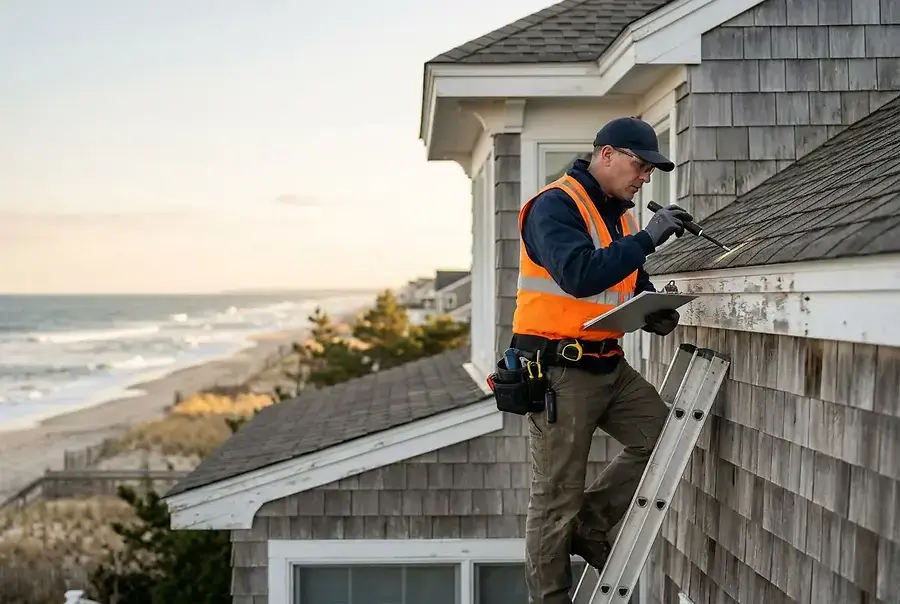
What Professional Inspectors Evaluate in Monmouth Beach Homes
A professional home inspection is one of the most critical steps in the home-buying process. When you're investing in a Monmouth Beach property, a thorough inspection can reveal hidden issues that might not be visible during a casual walkthrough. Professional inspectors examine multiple systems and structural components to give you a complete picture of your potential home's condition.
Structural and Foundation Assessment
Inspectors begin by evaluating the home's foundation and structural integrity. They look for cracks in the foundation, signs of settling, water damage, and structural deterioration. In Monmouth Beach, where homes are exposed to salt air and moisture, foundation issues can develop more rapidly than in inland areas. Inspectors will check basement walls, crawl spaces, and the overall stability of the structure.
Roofing and Exterior Systems
The roof is your home's first line of defense against the elements. Inspectors examine shingles, flashing, gutters, and downspouts for damage, wear, and proper installation. They also assess the condition of siding, windows, doors, and exterior caulking. Given Monmouth Beach's proximity to the ocean, wind damage and salt spray deterioration are common concerns that inspectors specifically evaluate.
Plumbing and Water Systems
A comprehensive inspection includes checking all visible plumbing, water pressure, drainage systems, and the water heater. Inspectors test fixtures, look for leaks, and assess pipe materials. In coastal homes, corrosion from salt air can affect plumbing systems more severely, making this evaluation particularly important.
Electrical Systems
Inspectors verify that electrical panels, wiring, outlets, and switches are safe and up to code. They check for outdated systems, improper installations, and potential fire hazards. Coastal environments can accelerate electrical system degradation, so this inspection is crucial for your safety.
HVAC and Climate Control
Heating, ventilation, and air conditioning systems are tested for proper operation and efficiency. Inspectors examine furnaces, air conditioners, ductwork, and thermostats. In Monmouth Beach's humid climate, HVAC systems work harder and may require more frequent maintenance.
Coastal-Specific Issues to Watch for in Your Inspection
Monmouth Beach properties face unique challenges due to their coastal location. Understanding these specific concerns will help you ask the right questions and make informed decisions about your purchase.
Salt Air Corrosion and Deterioration
Salt air is one of the most damaging elements for coastal homes. It accelerates corrosion of metal components, including:
- HVAC units and outdoor equipment
- Metal roof components and flashing
- Plumbing fixtures and pipes
- Electrical connections and panels
- Metal railings and hardware
Professional inspectors will specifically look for signs of salt corrosion and recommend protective measures or replacements.
Moisture and Humidity Damage
Coastal properties experience higher humidity levels, which can lead to mold growth, wood rot, and structural damage. Inspectors check for:
- Mold and mildew in basements and crawl spaces
- Wood rot in framing, decking, and trim
- Moisture intrusion in walls and attics
- Condensation issues in windows and doors
Wind and Storm Damage
Monmouth Beach's exposure to Atlantic storms means homes must withstand significant wind forces. Inspectors evaluate roof condition, window and door sealing, and structural bracing. Evidence of previous storm damage or inadequate repairs should be noted and investigated further.
Flood Risk and Water Intrusion
Proximity to the ocean means flood risk is a legitimate concern. Inspectors assess:
- Elevation and flood zone classification
- Drainage systems around the foundation
- Sump pump functionality
- Waterproofing in basements and lower levels
- Previous water damage indicators
Interpreting Your Inspection Report and Negotiating Repairs
Understanding the Report
Your inspection report will categorize findings by severity. Major issues require immediate attention and can significantly impact the home's value and safety. Minor issues are typically maintenance items that don't pose immediate concerns. Understanding this distinction helps you prioritize negotiations with the seller.
What Inspectors Report
Reports typically include:
- Detailed descriptions of each system evaluated
- Photographs of problem areas
- Severity ratings for identified issues
- Recommendations for repairs or further evaluation
- Estimated costs for repairs (when provided)
Negotiation Strategies
Once you have your inspection report, you have several options:
- Request repairs: Ask the seller to fix major issues before closing
- Request credits: Negotiate a reduction in the purchase price to cover repairs yourself
- Request inspections: Ask for specialized inspections for specific concerns (mold, structural, etc.)
- Walk away: If major issues are discovered, you may choose to terminate the purchase
In Monmouth Beach's competitive market, being strategic about which issues to negotiate is essential. Focus on major structural, safety, and coastal-specific concerns rather than minor cosmetic issues.
Getting Second Opinions
For significant findings, especially coastal-related concerns, consider hiring a specialist. A structural engineer, mold inspector, or marine contractor can provide detailed assessments that inform your negotiation strategy.
Conclusion: Using Inspection Findings to Make Confident Offers
A professional home inspection is your opportunity to make an informed decision about one of the largest investments you'll make. In Monmouth Beach, where coastal conditions create unique challenges, a thorough inspection becomes even more valuable.
By understanding what inspectors evaluate, recognizing coastal-specific issues, and knowing how to interpret and negotiate based on findings, you position yourself to make confident offers and protect your investment. Don't skip the inspection or rush through the process—take time to review the report carefully, ask questions, and consult with specialists when needed.
The inspection period is your window to discover problems before you're legally obligated to purchase. Use it wisely, and you'll close on your Monmouth Beach home with confidence and peace of mind.