The Complete Home Inspection Guide for Murfreesboro Homebuyers
Protect your investment by understanding what professional inspectors look for when evaluating residential properties in Murfreesboro.

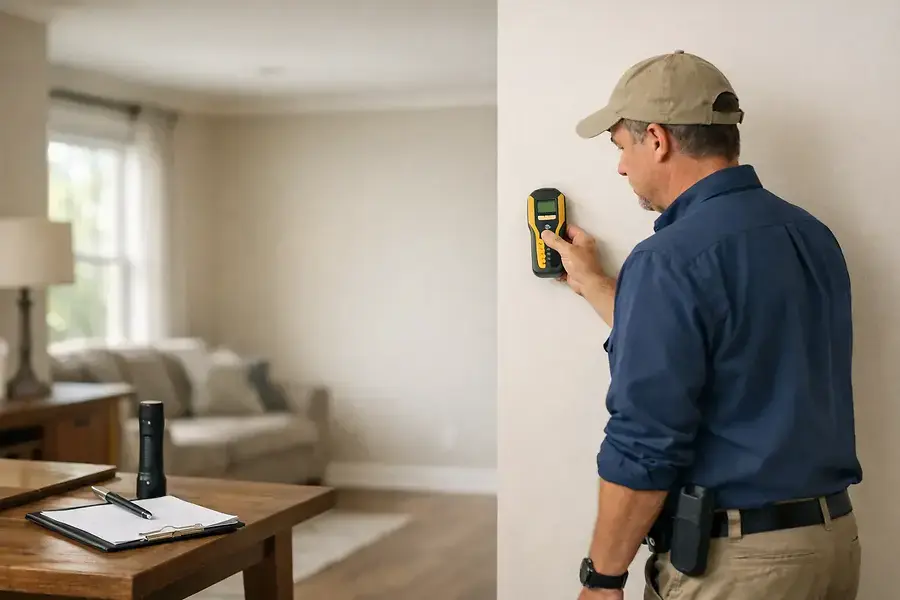
Introduction: Why Home Inspections Matter in Today's Market
Purchasing a home is one of the most significant financial decisions you'll make in your lifetime. In Murfreesboro's competitive real estate market, a professional home inspection serves as your safeguard against costly surprises and hidden defects. A thorough inspection provides you with detailed knowledge about the property's condition, helping you negotiate better terms or walk away from problematic purchases.
Home inspections aren't just a formality—they're an essential investment in your peace of mind. Whether you're a first-time homebuyer or an experienced investor, understanding what inspectors evaluate can help you ask the right questions and protect your financial interests.
What Professional Inspectors Examine: Structure, Systems, and Safety
Structural Integrity and Foundation
Professional inspectors begin by evaluating the foundation and overall structural integrity of the home. They look for signs of settling, cracks in the foundation, water damage, and structural movement. In Murfreesboro, where soil conditions and weather patterns can affect foundations, this assessment is particularly important.
Inspectors will examine:
- Foundation cracks and their severity
- Evidence of water intrusion or moisture problems
- Proper grading around the foundation
- Basement or crawl space conditions
Roofing and Exterior Systems
The roof is your home's first line of defense against the elements. Inspectors assess roof condition, age, and remaining lifespan. They examine shingles, flashing, gutters, and downspouts to ensure proper water drainage and protection from weather damage.
Exterior evaluation includes:
- Roof material condition and estimated remaining life
- Proper ventilation and attic conditions
- Siding, trim, and exterior walls for damage or deterioration
- Windows and doors for proper sealing and operation
- Gutters and drainage systems
Electrical Systems
Electrical safety is non-negotiable. Inspectors examine the main electrical panel, wiring, outlets, and switches to ensure the system meets current safety standards. Outdated or faulty electrical systems pose serious fire and shock hazards.
Key electrical components reviewed:
- Main electrical panel and circuit breakers
- Grounding and bonding systems
- Outlet and switch functionality
- Presence of outdated knob-and-tube wiring
- GFCI protection in wet areas
Plumbing and Water Systems
Water damage is one of the most expensive problems homeowners face. Inspectors test water pressure, check for leaks, examine pipe materials, and assess the water heater condition. They also evaluate drainage systems and look for signs of past or present water damage.
Plumbing inspection covers:
- Water supply lines and pressure
- Drain and waste systems
- Water heater age and condition
- Evidence of leaks or water damage
- Septic systems (if applicable)
HVAC and Climate Control
Heating, ventilation, and air conditioning systems are essential for comfort and indoor air quality. Inspectors evaluate furnace and air conditioning unit condition, age, and functionality. They check ductwork, filters, and thermostat operation.
Interior Conditions and Safety Features
Inspectors examine interior walls, ceilings, and floors for damage, moisture, or structural issues. They verify that safety features like smoke detectors and carbon monoxide detectors are present and functional. They also assess insulation levels and ventilation throughout the home.
Red Flags to Watch For and When to Negotiate Repairs
Major Red Flags That Require Attention
Some inspection findings are more serious than others. Understanding which issues demand immediate action helps you prioritize your concerns and negotiate effectively.
Critical issues that warrant negotiation or further investigation:
- Foundation problems: Significant cracks, settling, or water intrusion can be extremely expensive to repair
- Roof damage: A roof nearing the end of its lifespan may need replacement within months
- Electrical hazards: Outdated wiring, improper grounding, or code violations pose safety risks
- Plumbing leaks: Active leaks or evidence of water damage can lead to mold and structural decay
- HVAC failure: Non-functional heating or cooling systems require immediate replacement
- Mold or asbestos: These hazardous materials require professional remediation
Minor Issues vs. Major Concerns
Not every inspection finding requires renegotiation. Minor cosmetic issues like worn paint, small cracks in drywall, or outdated fixtures are typically considered normal wear and tear. However, patterns of deferred maintenance or multiple system failures suggest deeper problems.
Pro Tip: Request that the seller provide documentation of recent repairs and maintenance. This transparency helps you understand the home's history and identify potential problem areas.
Negotiation Strategies
Armed with inspection findings, you have several options:
- Request repairs: Ask the seller to fix critical issues before closing
- Request credits: Negotiate a price reduction to cover repair costs yourself
- Walk away: If issues are too extensive, you may choose to find another property
- Compromise: Agree on which repairs the seller will complete and which you'll handle
The key is having professional inspection data to support your negotiation position. Sellers are more likely to take your concerns seriously when backed by a detailed inspector's report.
Conclusion: Making Informed Decisions with Inspection Insights
A professional home inspection is your opportunity to make an informed decision about one of life's biggest purchases. By understanding what inspectors evaluate and recognizing red flags, you position yourself to negotiate confidently and protect your investment.
In Murfreesboro's real estate market, taking time for a thorough inspection demonstrates due diligence and can save you thousands in unexpected repairs. Don't skip this critical step—your future self will thank you for the careful attention to detail.
Remember, a good home inspection isn't about finding problems; it's about understanding the property you're buying so you can make the best decision for your family and your finances.