The Complete Home Inspection Guide for Newark, DE Buyers
Learn what professional inspectors look for and how to protect your investment before closing the deal.

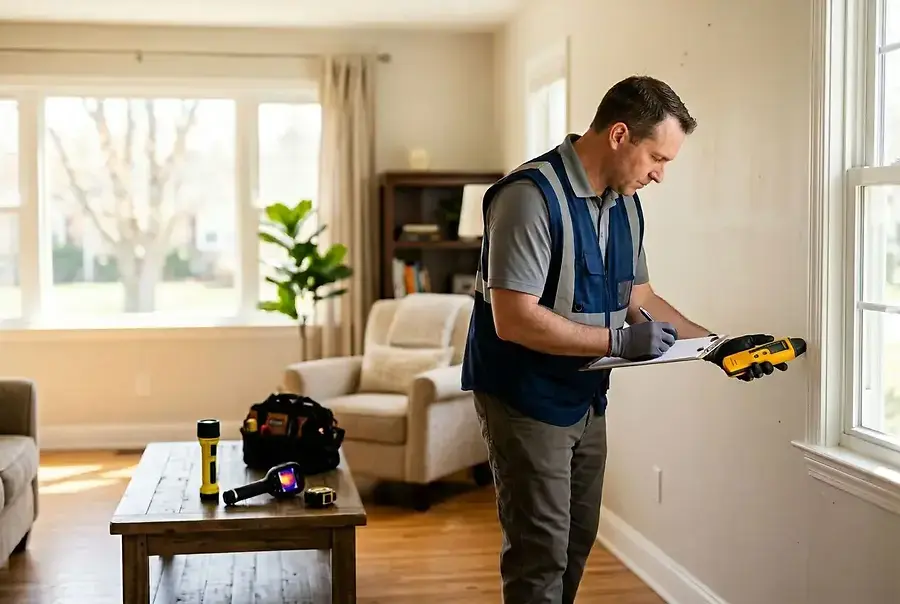
What Professional Home Inspectors Examine
A professional home inspection is one of the most critical steps in the home-buying process. During a thorough inspection, certified inspectors evaluate the structural integrity and systems of a property to identify any potential issues that could affect your investment.
Structural Components
Inspectors begin by examining the foundation, walls, and roof structure. They look for signs of settling, cracks, water damage, and deterioration. The roof is inspected for missing shingles, flashing issues, and overall condition. Proper drainage around the foundation is also assessed to ensure water doesn't accumulate near the home's base.
Mechanical Systems
Your inspector will thoroughly evaluate:
- HVAC System: Heating and cooling units are tested for proper operation and efficiency
- Electrical System: Wiring, panels, and outlets are checked for safety and code compliance
- Plumbing: Water pressure, drainage, and potential leaks are assessed throughout the home
- Water Heater: Age, condition, and functionality are evaluated
Interior and Exterior Features
Inspectors examine windows, doors, insulation, and ventilation. They check for signs of pest damage, mold, and moisture intrusion. Decks, patios, and exterior siding are also evaluated for safety and structural soundness.
Common Issues Found in Newark Homes and How to Address Them
Newark's climate and older housing stock mean certain issues appear more frequently in local properties. Understanding these common problems helps you prepare for negotiations.
Water Damage and Moisture Issues
Delaware's humid climate and proximity to water sources make moisture problems common in Newark homes. Basement dampness, roof leaks, and foundation cracks can lead to mold growth and structural damage. Solution: Request a moisture assessment and budget for waterproofing or drainage improvements if issues are found.
Aging HVAC and Electrical Systems
Many Newark homes feature older heating and cooling systems that may be nearing the end of their lifespan. Similarly, outdated electrical panels can pose safety risks. Solution: Obtain repair estimates and factor replacement costs into your offer negotiations.
Roof and Gutter Problems
Harsh weather conditions can accelerate roof deterioration. Missing shingles, clogged gutters, and improper drainage are frequently discovered during inspections. Solution: Request a professional roof inspection and budget for repairs or replacement if the roof is near the end of its serviceable life.
Foundation and Structural Concerns
Older homes in Newark may show signs of settling or minor foundation cracks. While some movement is normal, significant issues require professional evaluation. Solution: Have a structural engineer assess any major concerns identified during the initial inspection.
Your Rights as a Buyer: Inspection Contingencies and Negotiations
Understanding your rights during the inspection process empowers you to make informed decisions and protect your financial interests.
The Inspection Contingency
Most purchase agreements include an inspection contingency, which allows you to have the property professionally inspected within a specified timeframe—typically 7 to 10 days. This contingency protects you by allowing you to:
- Request repairs from the seller
- Negotiate a price reduction
- Request credits toward closing costs
- Walk away from the deal if significant issues are discovered
Negotiation Strategies
After receiving the inspection report, you have several options. Be strategic in your approach: Prioritize major structural and safety issues over cosmetic concerns. Request repairs for items that are expensive to fix and critical to the home's functionality. For minor issues, consider accepting them or negotiating a credit instead of demanding repairs.
Working with Your Real Estate Agent
Your agent can provide valuable guidance on local market conditions and reasonable repair requests. They understand what sellers in Newark typically accept and can help you craft a negotiation strategy that keeps the deal moving forward while protecting your interests.
Moving Forward: Using Inspection Results to Make Confident Offers
The inspection report is a powerful tool that should inform your final decision about the property.
Evaluating the Big Picture
Don't let minor issues derail an otherwise solid investment. Focus on: The overall condition of major systems, the cost of necessary repairs, and whether the property still represents good value at the negotiated price. Consider the home's age and condition relative to comparable properties in Newark.
Planning for Future Maintenance
Use the inspection report to create a maintenance plan and budget for upcoming repairs. Understanding the condition of your home's systems helps you prioritize expenses and plan for replacements before they become emergencies.
Final Walkthrough
Before closing, conduct a final walkthrough to ensure agreed-upon repairs have been completed and the property's condition hasn't changed. This is your last opportunity to verify that everything is in order.
Pro Tip: Keep your inspection report and all related documentation for future reference. These records are valuable for insurance purposes, warranty claims, and future home sales.
A thorough home inspection is an investment in your peace of mind and financial security. By understanding what inspectors examine, recognizing common Newark issues, knowing your rights, and using inspection results strategically, you'll be well-equipped to make a confident offer and protect your home investment for years to come.


