The Complete Home Inspection Guide for Ocala Real Estate Buyers
Discover the critical inspection points every Ocala homebuyer should know to protect their investment and avoid costly surprises.

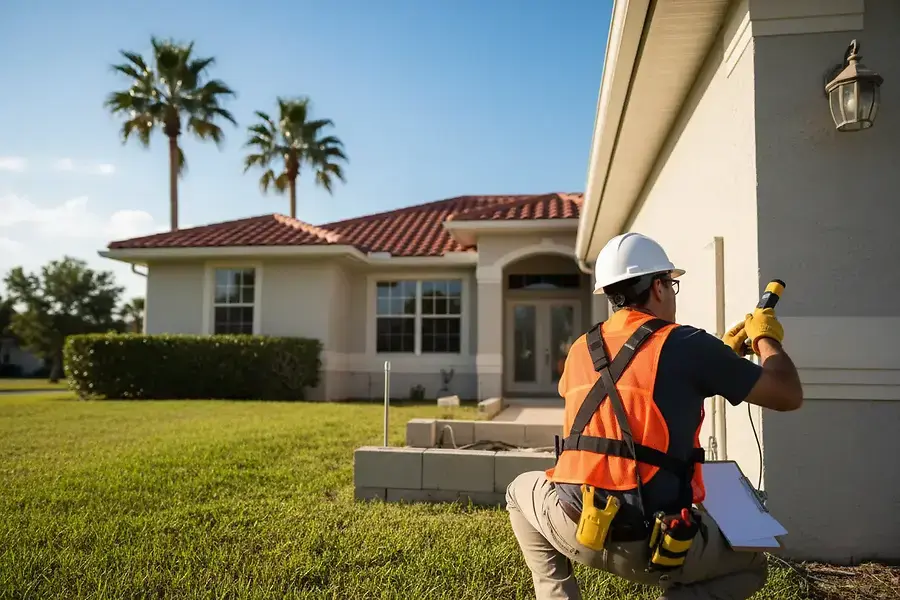
Why Home Inspections Matter in Ocala's Market
Purchasing a home is one of the most significant investments you'll make in your lifetime. In Ocala's competitive real estate market, a thorough home inspection is your best defense against hidden defects and unexpected repair costs. A professional inspection provides an objective assessment of the property's condition, giving you the knowledge to make informed decisions and negotiate effectively with sellers.
Many first-time homebuyers underestimate the importance of inspections, viewing them as an unnecessary expense. However, discovering a major issue after closing can cost tens of thousands of dollars. An inspection typically costs between $300 and $500 but can save you from purchasing a property with serious underlying problems.
Essential Structural and Foundation Elements to Evaluate
Foundation and Concrete
Florida's sandy soil and high water table make foundation issues particularly common in Ocala. During your inspection, look for:
- Cracks in the foundation – Small hairline cracks are normal, but larger cracks may indicate settling or structural problems
- Water intrusion signs – Staining, efflorescence (white powder), or moisture in the basement or crawl space
- Uneven floors – Walking through the home, notice if floors slope or feel uneven, which could indicate foundation movement
- Pier and beam systems – Ensure supports are properly spaced and show no signs of rot or deterioration
Roof Condition and Integrity
Ocala's intense sun and frequent afternoon thunderstorms take a toll on roofing materials. Your inspector should examine:
- Shingle condition and age – Most asphalt shingles last 15-20 years
- Flashing around chimneys, vents, and skylights – Improper flashing is a leading cause of leaks
- Attic ventilation and insulation – Proper ventilation prevents moisture buildup and extends roof life
- Signs of previous repairs or patches – These may indicate recurring problems
Plumbing Systems
Water quality and plumbing reliability are crucial concerns. Inspectors should test:
- Water pressure and flow rates
- Pipe materials and condition – Older homes may have corroded copper or galvanized pipes
- Septic systems (if applicable) – Tank capacity, drain field condition, and maintenance records
- Water heater age and functionality
Electrical Systems
Outdated or faulty electrical systems pose serious safety risks. Ensure the inspector checks:
- Panel capacity and condition – Older homes may have insufficient capacity for modern appliances
- Grounding and bonding – Critical for safety
- GFCI outlets in wet areas – Bathrooms, kitchens, and outdoor spaces should have ground fault protection
- Aluminum wiring – Found in some homes built in the 1960s-70s, it poses fire hazards
Climate-Specific Concerns: Florida Weather and Pest Considerations
Hurricane and Storm Preparedness
Living in Florida means preparing for hurricane season. Your inspection should verify:
- Impact-resistant windows and doors – These provide significant protection and may lower insurance premiums
- Roof straps and reinforcement – Proper installation prevents roof uplift during high winds
- Structural reinforcement – Adequate bracing and connections throughout the home
Moisture and Mold Issues
Florida's humid climate creates ideal conditions for mold growth. Look for:
- Visible mold or mildew in bathrooms, basements, or crawl spaces
- Musty odors indicating hidden moisture problems
- Water stains on ceilings or walls
- Proper drainage around the foundation – Gutters should direct water away from the home
Pest Infestations
Termites, carpenter ants, and other pests thrive in Florida's warm climate. A thorough inspection should include:
- Termite damage assessment – Look for mud tubes, hollow-sounding wood, and damaged structural members
- Evidence of carpenter ants or other wood-boring insects
- Pest control history – Ask for records of previous treatments
- Proper ventilation and moisture control – These prevent pest infestations
Red Flags and Next Steps After Your Inspection
Major Red Flags to Watch For
Don't ignore these warning signs:
- Extensive termite damage or active infestations
- Significant foundation cracks or settling
- Roof leaks or structural damage
- Outdated electrical panels or aluminum wiring
- Mold growth or severe moisture problems
- Failing septic systems or plumbing issues
- Evidence of previous flooding or water damage
What to Do After the Inspection
Review the report carefully with your real estate agent and inspector. Ask questions about any concerns and request clarification on technical issues. Don't assume minor issues will resolve themselves – they often worsen over time.
Negotiate repairs or credits. If significant issues are discovered, you have several options: request the seller make repairs before closing, ask for a credit toward repairs you'll handle yourself, or renegotiate the purchase price. Some issues may be deal-breakers that warrant walking away.
Get specialist inspections if needed. If the general inspection reveals potential problems, hire specialists for further evaluation. Termite inspectors, structural engineers, and mold specialists can provide detailed assessments.
Plan for maintenance. Even homes in excellent condition require ongoing maintenance. Use the inspection report to create a maintenance schedule and budget for future repairs.
Final Thoughts
A comprehensive home inspection is an essential step in the Ocala homebuying process. By understanding what to look for and taking the inspection seriously, you protect your investment and ensure you're making an informed decision. Don't rush through this critical phase – your future peace of mind depends on it.
"A home inspection isn't an expense; it's an investment in your financial security and peace of mind as a homeowner."


