The Complete Home Inspection Guide for Ohio Residential Buyers
Protect your investment by learning what professional inspectors look for in Columbus, Dayton, and Springfield homes.

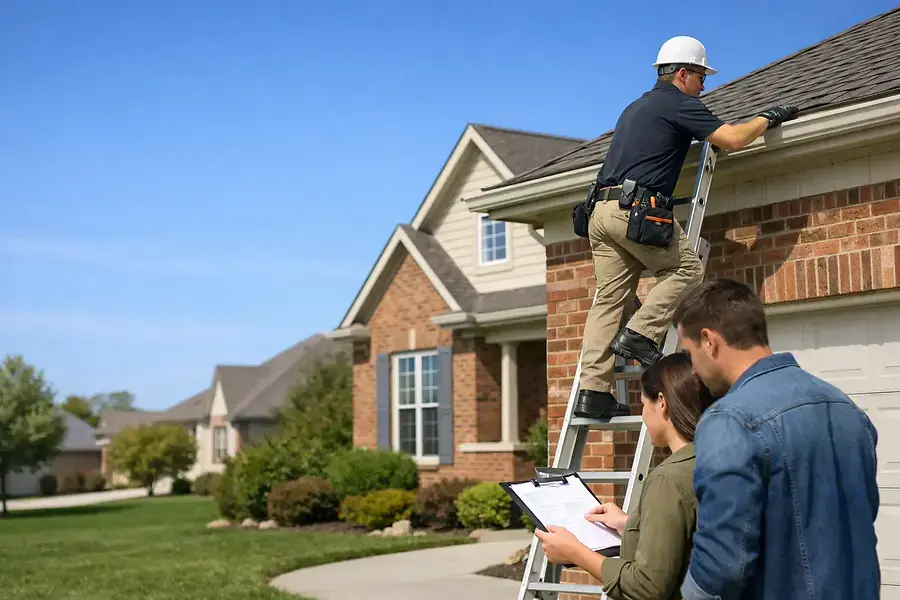
Understanding the Home Inspection Process: What to Expect and Why It Matters
Purchasing a home is one of the most significant financial decisions you'll make. A professional home inspection is your opportunity to uncover potential problems before you commit to the purchase. In Ohio, a thorough inspection typically takes 2-4 hours and covers all major systems and components of the property.
During the inspection, a certified inspector will examine:
- Structural integrity and foundation
- Roofing and gutters
- HVAC systems
- Plumbing and water systems
- Electrical systems
- Windows, doors, and insulation
- Basement and crawl spaces
- Appliances and fixtures
Why does this matter? An inspection protects you by identifying costly repairs before you purchase. In Central Ohio markets like Columbus, Dayton, and Springfield, homes range from historic properties to newer constructions, each with unique potential issues. Understanding what inspectors look for helps you make informed decisions and negotiate better terms.
Common Issues Found in Central Ohio Homes: From Foundation Problems to Roof Condition
Foundation and Structural Concerns
Central Ohio's clay-heavy soil can cause foundation settling and cracking. Inspectors look for horizontal cracks, bowing walls, and water intrusion in basements. These issues are particularly common in older Columbus and Springfield homes built before modern waterproofing standards.
Roof and Weather Damage
Ohio's variable weather—from heavy snow to severe thunderstorms—takes a toll on roofing. Inspectors assess shingle condition, flashing integrity, and ventilation. Missing shingles, curling, and granule loss indicate aging roofs that may need replacement within 5-10 years.
HVAC System Age and Efficiency
Many Central Ohio homes have aging heating and cooling systems. Inspectors evaluate furnace and air conditioning unit age, maintenance history, and efficiency ratings. Systems over 15 years old may require replacement soon, which is a significant expense homeowners should anticipate.
Plumbing and Water Quality Issues
Older homes in Dayton and Columbus often have galvanized or cast iron pipes that corrode over time. Inspectors check for slow drains, water pressure issues, and signs of leaks. Hard water deposits and sediment buildup are also common in Ohio properties.
Electrical System Deficiencies
Outdated electrical panels, insufficient outlets, and aluminum wiring are concerns in older Central Ohio homes. Modern inspectors use thermal imaging to detect overheating circuits and potential fire hazards.
Red Flags That Should Stop a Deal: When to Walk Away or Renegotiate
Major Structural Damage
Significant foundation cracks, bowing walls, or evidence of major settling can cost $10,000-$50,000+ to repair. Unless you're prepared for substantial remediation, these are deal-breakers. Consult a structural engineer before proceeding.
Severe Water Damage and Mold
Active water intrusion, standing water in basements, or visible mold growth indicates serious problems. Mold remediation is expensive and poses health risks. Never ignore these warning signs.
Roof Replacement Needed
If the inspection reveals a roof nearing the end of its life or showing significant damage, factor in $8,000-$15,000+ for replacement. This is a major expense that should influence your offer price.
Outdated Electrical or Plumbing Systems
Homes requiring complete electrical panel upgrades or full plumbing replacement need serious consideration. These projects can exceed $5,000-$20,000 depending on the home's size and age.
HVAC System Failure
If both heating and cooling systems need replacement, budget $5,000-$10,000. This is particularly important in Ohio where winters are cold and summers can be humid.
Pro Tip: Always get a second opinion from a specialist (structural engineer, electrician, or HVAC contractor) when major issues are identified. Their assessment can help you negotiate more effectively or decide whether to walk away.
Working with Your Real Estate Agent: Using Inspection Results to Make Smart Offers
Timing Your Inspection
Schedule your inspection within the contingency period specified in your purchase agreement—typically 7-10 days. This gives you time to review results and make informed decisions before the deadline.
Leveraging Inspection Results in Negotiations
Use your inspection report strategically:
- Request repairs: Ask the seller to fix critical issues before closing
- Negotiate price reduction: Request a lower purchase price to account for repairs you'll handle
- Request credits: Ask for closing cost credits to cover future repairs
- Walk away: If issues are too extensive, use inspection results to justify backing out
Communicating with Your Agent
Share the full inspection report with your real estate agent immediately. They understand local market conditions in Columbus, Dayton, and Springfield and can advise whether your requests are reasonable. A skilled agent will help you prioritize which issues to address and craft compelling negotiation language.
Creating Your Repair Request
Rather than requesting every minor issue be fixed, focus on significant problems. Sellers are more likely to negotiate on major structural, electrical, or plumbing concerns. Minor cosmetic issues are typically the buyer's responsibility.
Work with your agent to determine fair repair estimates. Getting quotes from local contractors strengthens your negotiating position and demonstrates you've done your homework.
Final Walk-Through
Before closing, conduct a final walk-through to confirm that agreed-upon repairs were completed properly. Verify that systems are functioning and that no new damage has occurred since your inspection.
Buying a home in Central Ohio requires diligence and informed decision-making. A professional home inspection is your best defense against costly surprises. By understanding what inspectors look for, recognizing red flags, and working strategically with your real estate agent, you'll protect your investment and make a confident purchase decision. Don't rush the inspection process—it's one of the most important steps in your home-buying journey.


