The Complete Home Inspection Guide for Ohio Valley Homebuyers
Learn what to expect during the inspection process and how to protect your residential investment in Parkersburg, Vienna, Belpre, Marietta, and surrounding communities.

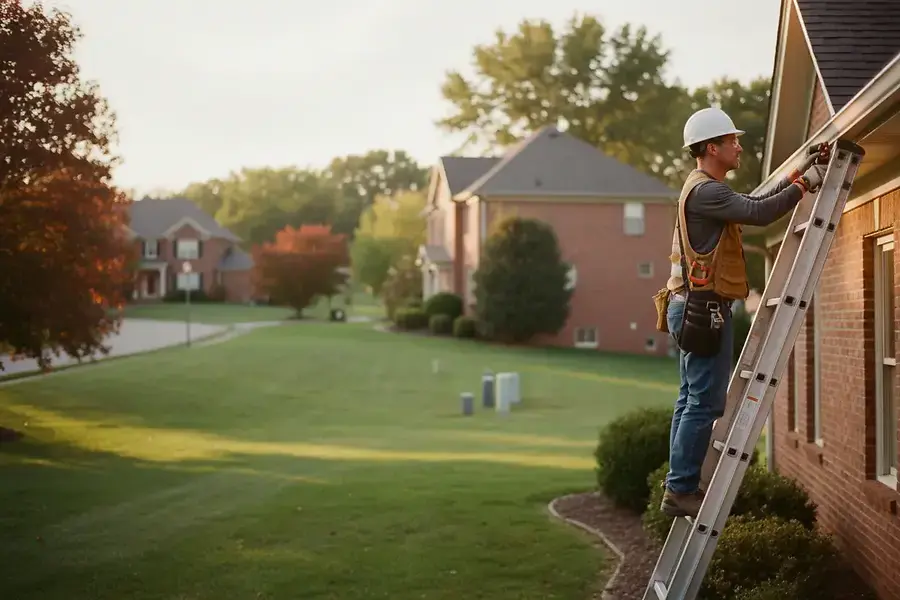
Understanding the Home Inspection Process: What Buyers Should Expect
A home inspection is one of the most critical steps in the homebuying process. This thorough evaluation of a property's condition gives you valuable insight into what you're purchasing and helps protect your investment. In the Ohio Valley region, understanding what to expect during this process can help you make informed decisions about your new home.
During a typical home inspection, a certified inspector will spend two to four hours examining your potential property. They will evaluate the structural integrity, roof condition, plumbing systems, electrical systems, HVAC equipment, and interior components. The inspector will also check for signs of water damage, pest infestations, and other issues that could affect the home's value or safety.
What Happens During the Inspection
The inspection process begins with an exterior evaluation. The inspector will examine the roof, gutters, siding, foundation, and landscaping. They will look for cracks, deterioration, and proper drainage around the property. This is particularly important in the Ohio Valley, where weather patterns can impact exterior structures.
Next, the inspector moves inside to evaluate the interior systems and structure. They will test all electrical outlets, check water pressure, inspect appliances, examine flooring and walls, and verify that heating and cooling systems function properly. The inspector will also check for adequate ventilation and insulation, which are essential for energy efficiency.
Your Role as the Buyer
As the buyer, you have the right to be present during the inspection. Many experts recommend attending so you can ask questions and learn about the property firsthand. This is your opportunity to understand the home's systems and any potential concerns the inspector identifies.
Common Issues Found in Ohio Valley Homes and How to Address Them
Homes in the Ohio Valley region face unique environmental and structural challenges due to the area's climate, soil composition, and age of many properties. Understanding these common issues can help you anticipate problems and budget accordingly.
Foundation and Moisture Issues
One of the most prevalent concerns in Ohio Valley homes is foundation problems and moisture intrusion. The region's clay-heavy soil and seasonal water fluctuations can cause foundation settling and cracks. Basements are particularly susceptible to water seepage and dampness.
- Signs to watch for: Cracks in basement walls, efflorescence (white mineral deposits), musty odors, and water stains
- Solutions: Proper grading, sump pump installation, waterproofing, and dehumidification systems
Roof and Weather Damage
The Ohio Valley experiences significant weather variations throughout the year, which takes a toll on roofing materials. Many older homes in communities like Parkersburg, Vienna, and Marietta have aging roofs that may need replacement soon.
- Common problems: Missing or curled shingles, inadequate ventilation, and ice dam damage
- Remedies: Roof inspection and potential replacement, improved attic ventilation, and gutter maintenance
Aging Plumbing and Electrical Systems
Many homes in the Ohio Valley were built decades ago with outdated plumbing and electrical systems. Galvanized pipes corrode over time, and older electrical panels may not meet current safety standards.
- Issues to address: Corroded pipes, low water pressure, outdated wiring, and insufficient electrical capacity
- Upgrades needed: Pipe replacement, electrical panel upgrades, and circuit additions for modern appliances
HVAC System Concerns
Heating and cooling systems in older homes often need replacement or significant repairs. Given the region's temperature extremes, a properly functioning HVAC system is essential for comfort and energy efficiency.
Negotiating Repairs and Inspection Reports with Sellers
Once you receive your inspection report, you'll have important decisions to make. The report will detail all findings, from minor cosmetic issues to major structural concerns. This is where negotiation becomes crucial.
Reviewing the Inspection Report
Take time to carefully review the entire inspection report. Prioritize issues by severity—safety concerns and major system failures should take precedence over cosmetic problems. Consult with your real estate agent to understand which issues are negotiable and which are typical for homes in your area.
Negotiation Strategies
You have several options when addressing inspection findings:
- Request repairs: Ask the seller to fix major issues before closing
- Request credits: Have the seller provide funds at closing to cover repair costs
- Request price reduction: Negotiate a lower purchase price to account for needed repairs
- Accept as-is: Proceed without requesting changes if issues are minor or acceptable to you
When negotiating, be reasonable and focus on significant issues. Sellers are more likely to respond positively to requests for major repairs than to demands for fixing every minor imperfection. In the Ohio Valley market, understanding local building standards and typical home conditions can strengthen your negotiating position.
Working with Professionals
For major issues, consider obtaining quotes from contractors before negotiating. Having specific repair costs demonstrates that your requests are reasonable and based on actual market prices in the Parkersburg, Vienna, Belpre, and Marietta areas.
Protecting Your Investment: Next Steps After Your Inspection
The inspection process doesn't end when you receive the report. Taking proactive steps after your inspection helps protect your investment for years to come.
Create a Maintenance Plan
Use the inspection report to develop a comprehensive maintenance schedule. Address critical issues immediately after closing, then prioritize remaining repairs based on urgency and budget. Regular maintenance prevents small problems from becoming expensive disasters.
Budget for Future Repairs
Even if the inspection reveals no major issues, set aside funds for future maintenance and repairs. Roofs, HVAC systems, and plumbing typically need attention within 10-20 years. Having a dedicated home maintenance fund ensures you're prepared when these systems need replacement.
Keep Detailed Records
Maintain thorough documentation of all repairs, maintenance, and upgrades. These records increase your home's value and provide important information for future inspections or when you eventually sell. Keep receipts, warranties, and contractor information organized and accessible.
Schedule Regular Professional Inspections
Consider having your home professionally inspected every few years, especially after severe weather events. Regular inspections help catch developing problems early, saving you money and stress in the long run.
By understanding the home inspection process, recognizing common Ohio Valley issues, negotiating effectively, and maintaining your property, you can protect your residential investment and enjoy your new home with confidence. Whether you're buying in Parkersburg, Vienna, Belpre, Marietta, or surrounding communities, these guidelines will help you make informed decisions and build a secure future in the Ohio Valley.


