The Complete Home Inspection Guide for Oklahoma City Homebuyers
Learn what professional inspectors evaluate and how to protect your investment with a comprehensive pre-purchase home inspection in Oklahoma City.

Why Home Inspections Matter in Oklahoma City's Climate and Conditions
Purchasing a home is one of the most significant financial decisions you'll make in your lifetime. In Oklahoma City, where weather patterns can be unpredictable and homes face unique environmental challenges, a professional home inspection is not just recommended—it's essential. The region experiences severe weather conditions including hail storms, high winds, and temperature fluctuations that can impact a home's structural integrity and systems.
A comprehensive home inspection provides you with an objective assessment of your potential property's condition before you commit to the purchase. This critical step protects your investment by identifying issues that might not be visible during a casual walkthrough. Whether you're a first-time homebuyer or an experienced investor, understanding what inspectors look for in Oklahoma homes can save you thousands of dollars in unexpected repairs.
Key Areas Professional Inspectors Evaluate in Oklahoma Homes
Roof and Exterior Structures
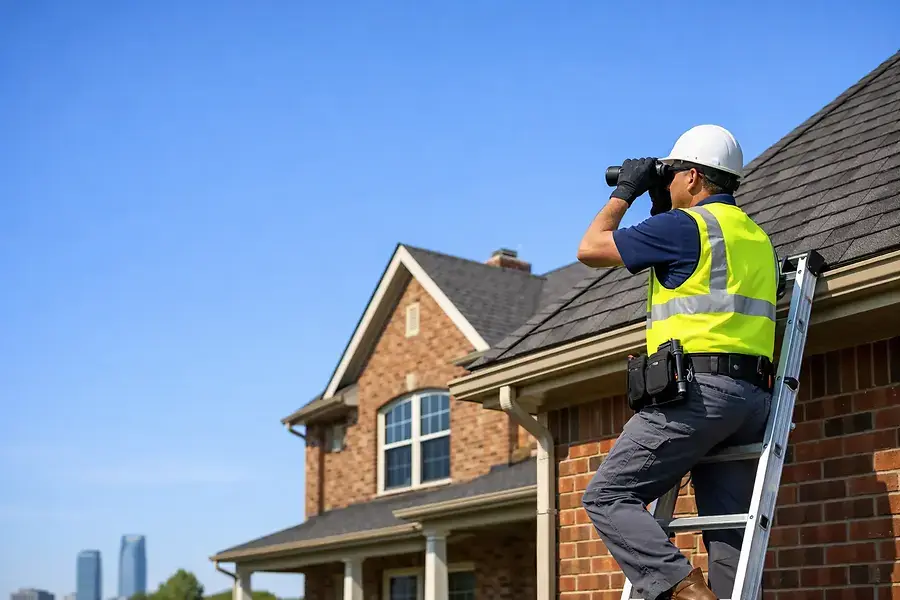
Oklahoma's weather demands special attention to roofing and exterior elements. Professional inspectors examine:
- Roof condition, age, and signs of damage from hail or wind
- Gutters, downspouts, and proper water drainage
- Siding, brick, and exterior walls for cracks or deterioration
- Windows and doors for proper sealing and functionality
- Foundation cracks or settling issues
Why it matters: Oklahoma's severe weather can cause rapid deterioration of roofing materials. A roof that appears fine from the ground may have hidden damage that could lead to costly leaks.
HVAC Systems
Heating and cooling systems work overtime in Oklahoma's climate. Inspectors evaluate:
- Age and condition of air conditioning and heating units
- Proper airflow and ductwork integrity
- Thermostat functionality and efficiency
- Maintenance records and service history
A failing HVAC system can cost $5,000 to $10,000 to replace, making this assessment crucial for your budget planning.
Plumbing and Water Systems
Water-related issues are among the most expensive to repair. Inspectors check:
- Water pressure and flow rates
- Pipe materials and signs of corrosion or leaks
- Water heater age and condition
- Drainage systems and septic functionality
- Presence of mold or water damage
Electrical Systems
Safety is paramount when evaluating electrical systems. Professional inspectors examine:
- Panel condition and capacity
- Proper grounding and circuit breaker functionality
- Outlet and switch safety
- Presence of outdated wiring or hazardous materials
Interior Structures and Systems
Inspectors also evaluate the home's interior, including:
- Walls, ceilings, and floors for damage or settling
- Insulation levels and ventilation
- Basement or crawl space conditions
- Appliances included in the sale
- Signs of pest infestation or previous damage
Understanding Inspection Reports and Red Flags to Address
What to Expect in Your Inspection Report
A professional inspection report is typically comprehensive and detailed. It includes photographs, descriptions of findings, and categorizations of issues by severity. Reports usually organize findings into categories such as:
- Safety Issues: Problems that pose immediate danger
- Major Repairs: Significant issues requiring professional attention
- Minor Repairs: Small fixes that don't affect functionality
- Maintenance Items: Regular upkeep recommendations
Red Flags That Require Immediate Attention
Certain findings should prompt serious consideration or negotiation:
- Structural damage: Foundation cracks, settling, or bowing walls indicate serious problems
- Roof issues: Multiple layers of roofing, significant damage, or nearing end of life
- Electrical hazards: Outdated panels, improper grounding, or fire risks
- Plumbing problems: Galvanized pipes, active leaks, or sewage backups
- Mold or water damage: Signs of moisture intrusion or mold growth
- HVAC failure: Systems beyond repair or requiring immediate replacement
Using Inspection Results for Negotiation
Once you receive your inspection report, you have several options. You can request repairs from the seller, ask for a credit toward repairs, renegotiate the purchase price, or in some cases, walk away from the deal. The inspection period is your opportunity to make an informed decision without pressure.
Remember: A home inspection is an investment in peace of mind. The cost of a thorough inspection (typically $300-$500) is minimal compared to the potential cost of undiscovered problems.
Conclusion: Using Inspection Findings to Make Confident Buying Decisions
A professional home inspection is your safeguard against costly surprises and hidden problems. In Oklahoma City's unique climate and conditions, this step becomes even more critical. By understanding what inspectors evaluate and how to interpret their findings, you empower yourself to make confident, informed decisions about your home purchase.
Don't skip this essential step in the homebuying process. Hire a qualified, licensed home inspector, review the report thoroughly, and use the findings to negotiate repairs or adjustments to the purchase price. Your future self will thank you for the diligence you invest today.


