The Complete Home Inspection Guide for Old Saybrook Property Buyers
Master the critical inspection process to protect your investment and avoid costly surprises in Connecticut's premier coastal market.

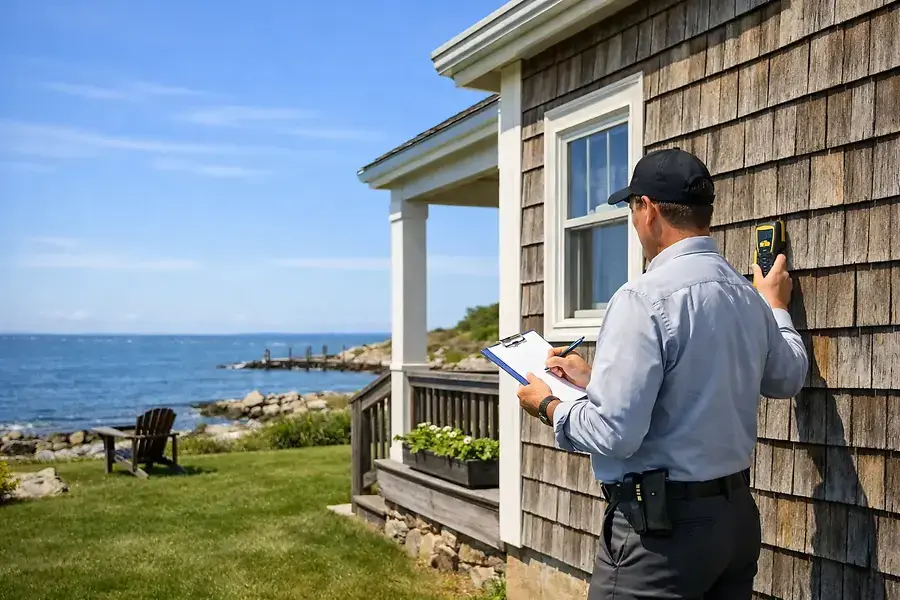
Introduction: Why Home Inspections Matter in Old Saybrook's Competitive Market
Old Saybrook represents one of Connecticut's most desirable coastal communities, where waterfront properties command premium prices and competitive bidding wars are common. In this high-stakes market, a thorough home inspection isn't just a formality—it's your most critical safeguard against expensive surprises after closing.
The coastal environment presents unique challenges that inland properties rarely face. Salt air corrosion, moisture intrusion, foundation settling, and weather-related wear demand specialized attention. Without a comprehensive inspection, you could inherit tens of thousands of dollars in unexpected repairs.
A professional home inspection provides three essential benefits:
- Identifies structural and mechanical issues before you commit to the purchase
- Gives you leverage to negotiate repairs or price reductions
- Provides peace of mind and a detailed baseline for future maintenance
Key Areas Inspectors Evaluate in Coastal Connecticut Properties
Roof and Exterior Structures
Coastal properties face relentless exposure to salt spray, high winds, and moisture. Inspectors examine roofing materials for deterioration, checking shingles, flashing, and gutters for corrosion and damage. They assess siding condition, looking for salt-induced degradation and water infiltration points. Particular attention goes to chimneys, vents, and any penetrations where water can enter.
Foundation and Structural Integrity
Old Saybrook's sandy soil and proximity to water tables create foundation challenges. Inspectors probe for settling cracks, water seepage, and moisture in basements or crawl spaces. They evaluate the structural framing for rot, pest damage, and proper support systems. Foundation issues in coastal areas can escalate rapidly if left unaddressed.
Plumbing and Water Systems
Salt water intrusion and corrosion are primary concerns in coastal plumbing systems. Inspectors test water pressure, check for leaks, and evaluate pipe materials. They examine septic systems if applicable, assess water treatment equipment, and verify proper drainage away from the foundation. Corroded pipes can compromise water quality and lead to expensive replacements.
Electrical Systems
Salt air accelerates electrical component deterioration. Inspectors examine the main panel, wiring condition, outlet functionality, and grounding systems. They verify that the electrical system meets current code requirements and can safely handle the home's demands. Outdated or corroded systems pose fire and safety risks.
HVAC and Mechanical Systems
Heating and cooling systems in coastal homes work harder due to moisture and temperature fluctuations. Inspectors evaluate furnaces, air conditioning units, heat pumps, and ventilation systems for proper operation and maintenance history. They check for rust, corrosion, and adequate refrigerant levels.
Windows, Doors, and Weatherproofing
Coastal weather demands superior weatherproofing. Inspectors assess window and door seals, frame integrity, and glass condition. They look for signs of water infiltration around openings and evaluate caulking and weatherstripping effectiveness. Compromised seals allow salt spray and moisture to penetrate interior spaces.
Red Flags and Common Issues Found in Older Waterfront Homes
Salt Spray Corrosion
This is the signature problem of coastal properties. Metal components—from nails to HVAC units to electrical fixtures—corrode faster in salt air. Look for rust stains, white powder deposits, and accelerated material degradation. Extensive corrosion suggests the home hasn't been properly maintained for coastal living.
Moisture and Mold Issues
Coastal humidity creates ideal conditions for mold growth. Inspectors use moisture meters to detect hidden dampness in walls, attics, and crawl spaces. Visible mold, musty odors, or staining indicate moisture problems requiring immediate remediation. Mold remediation can cost $5,000 to $30,000 depending on severity.
Foundation Settling and Cracks
Sandy soils and water table fluctuations cause foundations to settle unevenly. Diagonal cracks, bowing walls, or doors that won't close properly indicate structural movement. While minor settling is normal, significant issues require professional structural evaluation and potential underpinning.
Roof Deterioration
Coastal roofs age faster than inland counterparts. Missing shingles, curling, granule loss, and flashing separation are common in older homes. Roof replacement in coastal areas typically costs $15,000 to $35,000 depending on size and materials.
Outdated Electrical Systems
Older homes may have aluminum wiring, insufficient grounding, or undersized panels. These create fire hazards and cannot safely power modern appliances. Upgrading electrical systems is expensive but essential for safety and insurance compliance.
Plumbing Deterioration
Galvanized pipes corrode from the inside out, reducing water pressure and quality. Polybutylene pipes, used in some 1970s-1990s homes, are prone to failure. Whole-home replumbing can exceed $15,000 to $25,000.
Poor Drainage and Grading
Water pooling near foundations, inadequate gutters, or improper grading direct moisture toward the home. This causes basement flooding, foundation damage, and landscape erosion. Correcting drainage issues ranges from simple grading adjustments to installing sump pumps and French drains.
Conclusion: Using Inspection Reports to Negotiate Better Terms and Close Confidently
A comprehensive home inspection report is your roadmap to a successful Old Saybrook purchase. Rather than viewing inspection findings as deal-breakers, use them strategically:
- Request repairs: Ask the seller to fix critical safety issues before closing
- Negotiate credits: Request closing cost credits for issues you'll address yourself
- Adjust your offer: Factor inspection costs into your purchase price negotiations
- Plan maintenance: Use the report to budget for future repairs and preventive care
In Old Saybrook's competitive market, buyers who skip inspections or ignore findings often regret their decisions. The $400-$600 inspection investment protects a purchase worth hundreds of thousands of dollars. A thorough inspection demonstrates professionalism to sellers and provides the confidence to close on your dream coastal property.
Work with a qualified inspector experienced in coastal Connecticut properties. Their specialized knowledge of salt-air corrosion, moisture issues, and waterfront-specific challenges is invaluable. Combined with guidance from your real estate agent and legal counsel, a detailed inspection report ensures you're making an informed decision and protecting your investment for years to come.


