The Complete Home Inspection Guide for Overland Park Homebuyers
Discover what professional inspectors look for and how to protect your investment before closing on your Overland Park property.

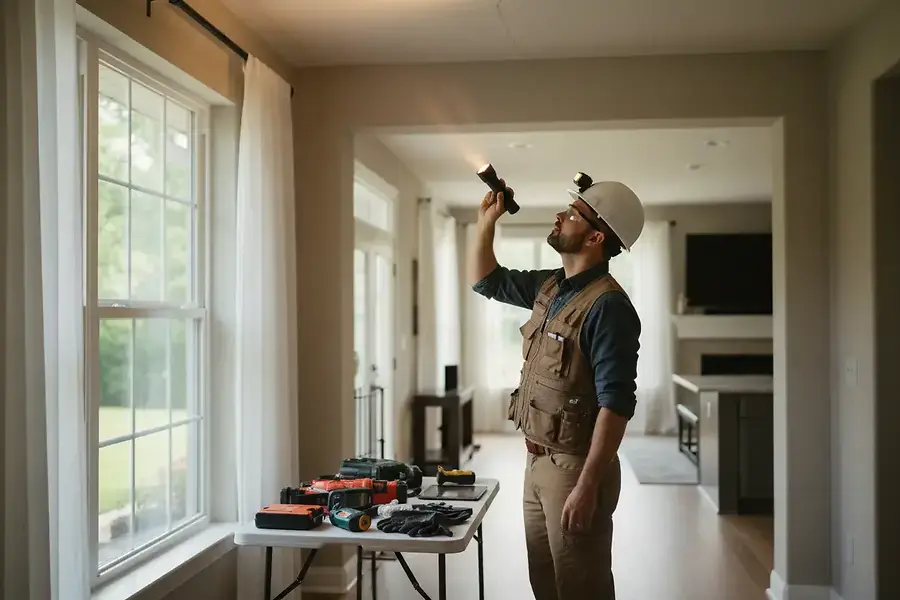
Introduction: Why Home Inspections Matter in Overland Park
Purchasing a home is one of the most significant financial decisions you'll make in your lifetime. For Overland Park homebuyers, a professional home inspection is not just a formality—it's your opportunity to uncover potential issues before you sign on the dotted line. A thorough inspection can reveal hidden problems that could cost thousands of dollars to repair, giving you the leverage to negotiate better terms or walk away from a problematic property.
Home inspections serve as an objective assessment of a property's condition, performed by certified professionals who examine everything from the roof to the foundation. Understanding what inspectors look for and how to interpret their findings empowers you to make informed decisions and protect your investment.
Structural and Foundation Concerns: What Buyers Need to Know
Foundation Issues
The foundation is the backbone of any home, and problems here can be extremely costly to repair. Professional inspectors examine foundations for:
- Cracks and settling: Minor hairline cracks are common, but larger cracks or signs of uneven settling warrant further investigation
- Water damage and moisture: Basements and crawl spaces are checked for water intrusion, which can lead to mold and structural deterioration
- Drainage issues: Poor grading or inadequate drainage systems can cause water to pool around the foundation
Overland Park's climate and soil composition can contribute to foundation stress, making this inspection component particularly important for local homebuyers.
Roof and Exterior
Your roof protects everything beneath it, so inspectors pay close attention to its condition. They evaluate:
- Shingle condition and remaining lifespan
- Flashing around chimneys, vents, and skylights
- Gutters and downspouts for proper water drainage
- Exterior walls for damage, rot, or pest infestation
A roof replacement can cost $10,000 or more, so understanding its age and condition is crucial for your budget planning.
Structural Framing
Inspectors examine the home's framing for signs of damage, rot, or pest activity. They look for:
- Wood rot in beams and joists
- Termite or carpenter ant damage
- Sagging floors or ceilings
- Improper repairs or modifications
Systems and Safety: Evaluating HVAC, Plumbing, and Electrical
Heating, Ventilation, and Air Conditioning (HVAC)
The HVAC system is essential for comfort and indoor air quality. Inspectors test:
- Furnace and air conditioning unit operation
- Thermostat functionality
- Ductwork for leaks or damage
- Age and maintenance history of equipment
A failing HVAC system can require replacement costs of $5,000 to $15,000, so knowing its condition helps you plan for future expenses.
Plumbing Systems
Water damage is one of the most common and expensive problems in homes. Professional inspectors examine:
- Water pressure and flow rates
- Pipe materials and condition (older homes may have outdated piping)
- Signs of leaks or water damage
- Water heater age and functionality
- Septic systems or sewer line connections
Overland Park homes with older plumbing systems may require updates, which is important information for your negotiation strategy.
Electrical Systems
Safety is paramount when it comes to electrical systems. Inspectors check:
- Panel capacity and condition
- Proper grounding and bonding
- Outlet and switch functionality
- Presence of GFCI outlets in wet areas
- Outdated wiring that may pose fire hazards
Electrical issues are serious safety concerns and should be addressed before you move into the property.
Additional Safety Inspections
Many inspectors also evaluate:
- Carbon monoxide detectors: Essential for homes with gas appliances
- Smoke detectors: Required safety devices throughout the home
- Radon levels: A naturally occurring gas that can accumulate in basements
- Asbestos and lead paint: Hazardous materials in older homes
Conclusion: Using Inspection Results to Negotiate and Secure Your Overland Park Home
Once you receive your inspection report, you have several options. Don't panic if issues are found—most homes have some problems. The key is understanding which issues are deal-breakers and which are manageable.
Use your inspection results to:
- Negotiate repairs: Ask the seller to fix critical issues before closing
- Request credits: Request a credit toward closing costs to handle repairs yourself
- Adjust your offer: Factor repair costs into your final negotiation
- Plan your budget: Understand what maintenance and repairs you'll need to budget for after purchase
A professional home inspection is your safeguard in the homebuying process. By understanding what inspectors evaluate and how to interpret their findings, Overland Park homebuyers can make confident decisions and protect their investment for years to come. Don't skip this crucial step—your future home depends on it.


