The Complete Home Inspection Guide for Phoenix Homebuyers
Discover what inspectors look for and how to use inspection results to negotiate the best deal on your Phoenix home.

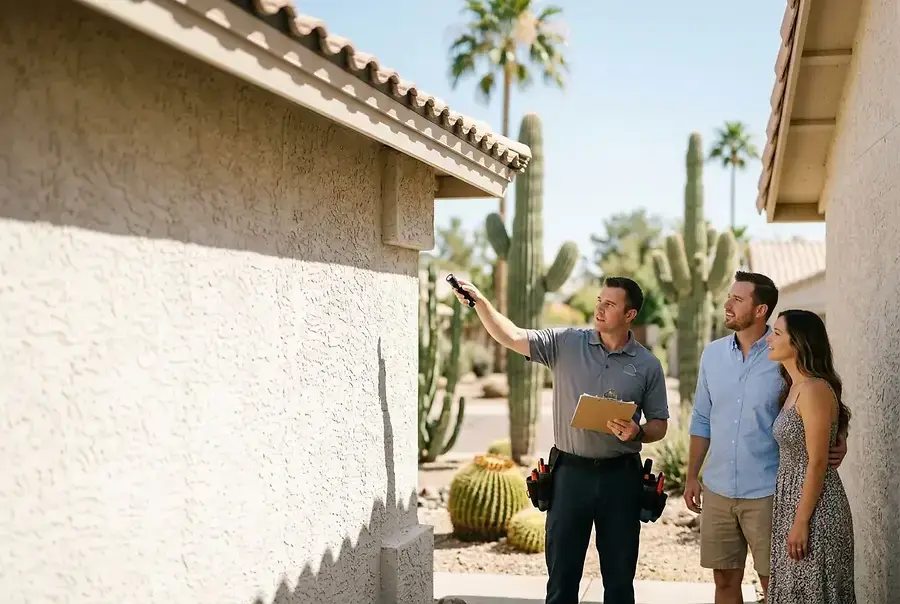
Why Home Inspections Are Critical in Phoenix Real Estate
Purchasing a home is one of the most significant investments you'll make in your lifetime. In Phoenix's competitive real estate market, a professional home inspection is your best defense against costly surprises after closing. Home inspections provide an objective assessment of a property's condition, helping you make informed decisions and potentially save thousands of dollars.
Phoenix's unique climate and construction practices create specific challenges that inspectors are trained to identify. From intense heat damage to water intrusion issues, understanding what to look for during an inspection can mean the difference between a smart purchase and a financial burden.
Understanding the Home Inspection Process and What Gets Evaluated
The Inspection Timeline and What to Expect
A typical home inspection in Phoenix takes 2-4 hours, depending on the property's size and age. The inspector will systematically evaluate every major component of the home, both inside and outside. You should always attend the inspection to ask questions and gain firsthand knowledge of the property's condition.
Key Areas Inspectors Evaluate
- Roof and Attic: Inspectors check for sun damage, deterioration, and proper ventilation. Phoenix's intense UV rays can prematurely age roofing materials.
- HVAC Systems: Air conditioning is essential in Phoenix. Inspectors verify that cooling systems are functioning properly and assess their age and maintenance history.
- Plumbing: Water pressure, pipe condition, and potential leaks are examined. Mineral deposits from hard water are common in Phoenix homes.
- Electrical Systems: Inspectors check panel capacity, wiring condition, and safety features to ensure the system can handle modern electrical demands.
- Foundation and Structural Integrity: Desert soil conditions can cause settling and cracking. Inspectors look for signs of structural movement or foundation issues.
- Exterior and Landscaping: Pool equipment, exterior walls, windows, and landscaping are evaluated for damage and maintenance needs.
- Interior Components: Walls, ceilings, flooring, doors, and windows are inspected for damage and proper function.
Understanding the Inspection Report
After the inspection, you'll receive a detailed report categorizing findings into three levels: items needing immediate attention, items that should be addressed soon, and minor maintenance recommendations. Take time to review this report carefully and ask your inspector to clarify any concerns before making your next move.
Common Issues Found in Phoenix Homes and Negotiation Strategies
Heat-Related Damage
Phoenix's extreme temperatures cause unique wear and tear. Common heat-related issues include:
- Cracked or warped exterior paint and siding
- Deteriorated caulking around windows and doors
- Damaged or aged roofing materials
- Compromised window seals and air conditioning efficiency
When negotiating, request that the seller address critical items or provide credits toward repairs. For cosmetic heat damage, consider whether the cost of repairs justifies a price reduction.
Water Intrusion and Moisture Issues
Despite Phoenix's dry climate, water intrusion remains a significant concern. Improper grading, damaged gutters, and pool-related issues can lead to foundation problems and interior damage. If moisture issues are discovered, request a specialized moisture assessment before proceeding with your purchase.
Air Conditioning System Problems
An aging or malfunctioning AC system is a major concern in Phoenix. Replacement costs can exceed $5,000-$8,000. If the inspection reveals significant AC issues, this is a legitimate point for negotiation. Request that the seller either replace the system or provide a substantial credit.
Pool and Spa Issues
Many Phoenix homes have pools. Inspectors evaluate pool structure, equipment, and safety features. Common pool problems include:
- Cracked or leaking pool shells
- Faulty pumps and filtration systems
- Outdated or non-functional safety equipment
Pool repairs can be expensive, so use these findings as negotiation leverage.
Effective Negotiation Strategies
Use the inspection report as a factual basis for negotiations, not as a personal attack on the property or seller.
- Prioritize Issues: Focus negotiations on major systems and safety concerns rather than minor cosmetic issues.
- Get Repair Estimates: Obtain quotes from licensed contractors for significant repairs. Use these estimates to support your negotiation requests.
- Request Credits or Repairs: Ask the seller to either fix issues before closing or provide credits that you can apply toward repairs.
- Know Your Limits: Understand which issues are deal-breakers and which you're willing to address yourself.
- Stay Professional: Keep negotiations respectful and fact-based. Emotional responses can derail productive discussions.
Making Informed Decisions Based on Inspection Findings
After reviewing the inspection report and negotiating with the seller, you'll need to make a final decision about moving forward with the purchase. Consider the following:
- Total Cost of Ownership: Factor in the cost of repairs and maintenance when evaluating the property's true value.
- Your Budget and Timeline: Can you afford to address the issues identified? Are you willing to take on repairs yourself?
- Long-Term Value: Will the property appreciate despite current issues, or are you inheriting problems that will affect resale value?
- Professional Advice: Consult with your real estate agent and consider getting specialist inspections for major concerns.
A home inspection is an investment in your peace of mind and financial security. By understanding what inspectors evaluate, recognizing common Phoenix-specific issues, and negotiating effectively, you'll be well-positioned to make a smart purchasing decision. Don't skip the inspection or ignore its findings—this critical step can protect your investment and ensure you're buying a home that meets your needs and budget.


