The Complete Home Inspection Guide for Potomac Maryland Buyers
Learn what savvy buyers should know before purchasing in Potomac's competitive market.

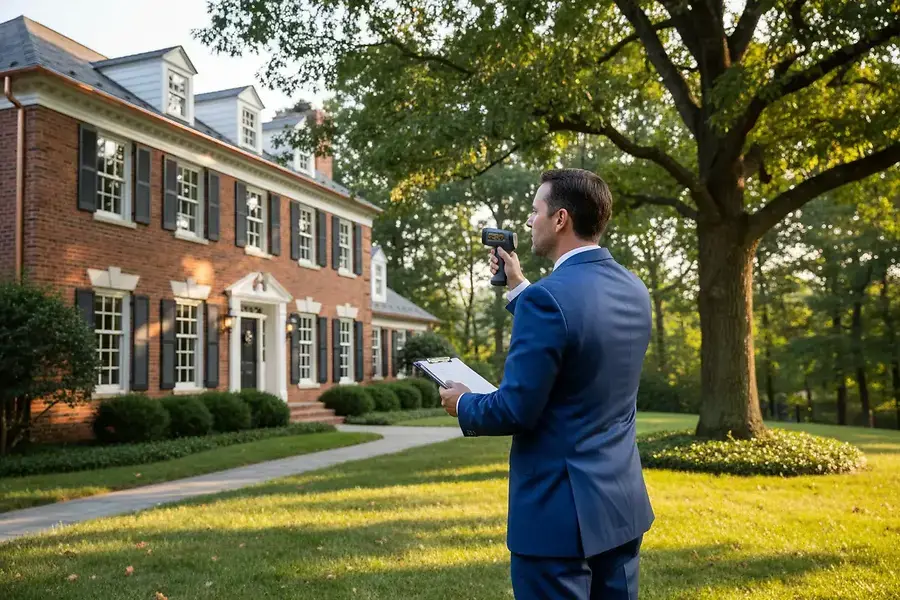
Why Home Inspections Matter in Potomac
Purchasing a home in Potomac, Maryland is one of the most significant investments you'll make. The competitive real estate market in this affluent community means homes often sell quickly, and buyers must act decisively. However, rushing into a purchase without a thorough home inspection is a costly mistake that could haunt you for years.
A professional home inspection provides an objective assessment of your potential property's condition. In Potomac's market, where homes range from historic estates to modern constructions, inspections reveal hidden issues that could affect your offer price, negotiation strategy, and long-term satisfaction with your purchase. An inspection is your opportunity to uncover problems before you're legally bound to the sale.
Beyond identifying defects, inspections protect your investment by documenting the property's baseline condition. This documentation becomes invaluable for insurance purposes, future resale, and warranty claims. For buyers in Potomac's competitive landscape, a thorough inspection report strengthens your negotiating position and provides peace of mind.
Key Areas Inspectors Focus On in Potomac Homes
Structural Integrity and Foundation
Potomac's homes sit on varied soil types and elevations, making foundation assessment critical. Inspectors examine foundations for cracks, settling, and water intrusion—common issues in the region's older homes. Foundation problems are expensive to repair and can indicate serious structural concerns.
Roofing and Water Damage
The Mid-Atlantic climate brings heavy rains, snow, and temperature fluctuations that stress roofing systems. Inspectors evaluate roof age, shingle condition, flashing integrity, and signs of leaks. They'll check attics for water stains, mold, and proper ventilation. In Potomac's older neighborhoods, roof replacement costs can exceed $15,000, making this assessment crucial.
HVAC Systems
Heating and cooling systems are essential in Maryland's climate. Inspectors test furnaces, air conditioning units, and heat pumps for proper operation and efficiency. They examine ductwork for leaks and verify that systems meet current safety standards. A failing HVAC system discovered after purchase can cost thousands to replace.
Plumbing and Water Quality
Potomac homes vary in age, and older properties may have outdated plumbing materials like galvanized pipes or polybutylene. Inspectors check water pressure, drainage, and test for leaks. They'll identify potential issues with septic systems in properties outside municipal water service areas. Water quality testing may reveal concerns requiring filtration systems.
Electrical Systems
Outdated electrical panels, insufficient outlets, and code violations are common in older Potomac homes. Inspectors verify that electrical systems are safe, properly grounded, and meet current building codes. Electrical issues pose fire hazards and require immediate professional attention.
Basement and Crawl Space Conditions
Many Potomac homes feature basements or crawl spaces vulnerable to moisture intrusion. Inspectors assess waterproofing, drainage systems, and signs of flooding or mold. They evaluate structural supports and identify pest damage or infestations that could compromise the home's integrity.
Exterior Components
The inspection includes siding, windows, doors, gutters, and landscaping features. Inspectors look for rot, deterioration, and proper drainage away from the foundation. In Potomac's upscale neighborhoods, exterior condition significantly impacts curb appeal and property value.
Red Flags and How to Interpret Inspection Reports
Understanding Report Categories
Professional inspection reports categorize findings by severity. Critical issues require immediate attention and may affect your purchase decision. Major concerns need repair or replacement but aren't emergencies. Minor issues are cosmetic or low-priority items. Understanding these distinctions helps you prioritize negotiations with sellers.
Common Red Flags in Potomac Properties
- Mold or water damage: Indicates moisture problems that could worsen and affect health
- Foundation cracks or settling: May signal structural issues requiring expensive repairs
- Outdated electrical panels: Safety hazard and potential fire risk
- Roof age over 20 years: Replacement likely needed soon
- Plumbing material concerns: Polybutylene pipes or galvanized systems may fail
- HVAC system age: Systems over 15 years old may need replacement
- Pest damage or infestations: Requires professional treatment and monitoring
Negotiating Based on Inspection Findings
In Potomac's competitive market, inspection results give you leverage. You can request seller repairs, ask for credits toward repairs, or renegotiate the purchase price. Document all findings with photos and detailed descriptions to support your negotiation position.
Prioritize critical repairs that affect safety and structural integrity. For cosmetic issues or minor repairs, consider whether the seller's credits adequately cover costs. Remember that in Potomac's market, sellers may refuse significant concessions, so be strategic about which issues you prioritize.
When to Walk Away
Some inspection findings warrant reconsidering your purchase. Foundation problems, extensive mold, major structural damage, or systems requiring complete replacement may indicate the property isn't worth the investment. Trust your inspector's expertise and don't let emotional attachment override practical concerns.
Using Inspections to Make Confident Offers
Schedule your home inspection immediately after your offer is accepted. Most purchase agreements include inspection contingencies allowing you to renegotiate or withdraw if serious issues emerge. Don't waive this protection in Potomac's competitive market—it's your safeguard against costly surprises.
Attend the inspection if possible. Your inspector can explain findings, answer questions, and help you understand repair implications. This hands-on knowledge empowers you to make informed decisions about your purchase.
Use inspection results strategically. In Potomac's market, sellers often resist major concessions, so focus negotiations on critical issues. Request repair estimates from licensed contractors to support your requests with concrete numbers.
Finally, maintain inspection reports for your records. They document the property's condition at purchase, proving valuable for insurance claims, future repairs, and eventual resale. A thorough inspection transforms you from a hopeful buyer into an informed investor.
"A home inspection is not an expense—it's an investment in your peace of mind and financial security. In Potomac's competitive market, it's the one step that separates confident buyers from regretful ones."