The Complete Home Inspection Guide for Puget Sound Area Homebuyers
Discover the critical inspection checklist every homebuyer in the greater Seattle area should know before closing.

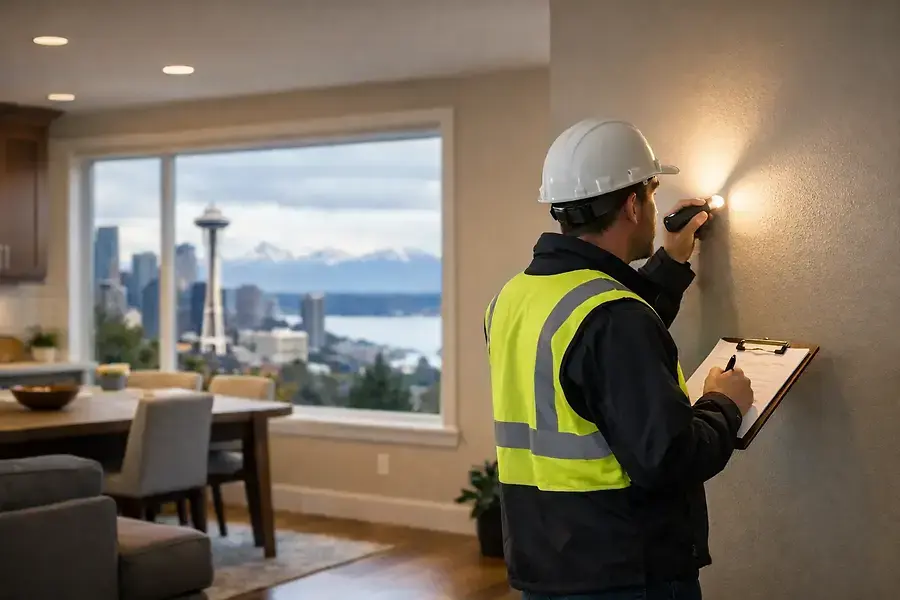
Introduction: Why Professional Home Inspections Matter in Competitive Markets
The Puget Sound real estate market moves fast. With competitive bidding wars and tight timelines, it's easy for homebuyers to feel pressured into making quick decisions. However, skipping or rushing a professional home inspection is one of the costliest mistakes you can make. A thorough inspection protects your investment and reveals hidden problems that could cost thousands in repairs down the road.
In the greater Seattle area, where homes range from historic craftsman bungalows to modern waterfront properties, each property presents unique challenges. Professional inspectors understand the regional climate, building codes, and common issues specific to Pacific Northwest homes. They provide an objective assessment that gives you the knowledge to negotiate repairs, request credits, or walk away if necessary.
Key Areas Inspectors Evaluate: Structural, Systems, and Safety Concerns
Foundation and Structural Integrity
The foundation is your home's backbone. Inspectors examine concrete for cracks, settling, and water damage—particularly important in the Puget Sound region where moisture is abundant. They assess:
- Foundation cracks and their severity
- Signs of settling or shifting
- Water intrusion and drainage issues
- Basement moisture and mold growth
Structural problems are expensive to fix and can affect your home's safety and resale value. A minor crack might be cosmetic, but horizontal cracks or significant settling warrant professional structural evaluation.
Roofing and Weather Protection
Your roof is your first line of defense against the Pacific Northwest's rainy climate. Inspectors evaluate:
- Roof age and remaining lifespan
- Shingle condition and missing or damaged pieces
- Flashing around chimneys, vents, and skylights
- Gutters and downspout functionality
- Signs of leaks or water damage in attics
A roof replacement can cost $10,000 to $30,000 or more. Understanding its condition helps you budget for future maintenance or negotiate credits.
Plumbing Systems
Water damage is a homeowner's nightmare in this region. Inspectors check:
- Water pressure and flow rates
- Pipe materials and age (galvanized, copper, PEX)
- Signs of leaks or corrosion
- Sump pump functionality
- Septic systems or municipal connections
Older homes may have outdated plumbing that needs replacement. Knowing this upfront allows you to plan accordingly.
Electrical Systems
Safety is paramount with electrical systems. Inspectors examine:
- Panel capacity and condition
- Grounding and bonding
- Outlet and switch functionality
- Presence of GFCI outlets in wet areas
- Outdated wiring (knob-and-tube, aluminum)
Electrical issues can pose fire hazards. Upgrading outdated systems is a significant expense that should factor into your offer.
HVAC and Climate Control
Heating and cooling systems are essential in the Puget Sound's variable climate. Inspectors assess:
- Furnace or heat pump age and efficiency
- Air conditioning functionality
- Ductwork condition and insulation
- Thermostat operation
- Maintenance records
A failing HVAC system can cost $5,000 to $15,000 to replace, making this a critical evaluation area.
Red Flags and Deal-Breaker Issues to Watch For
Mold and Moisture Problems
The Puget Sound's damp climate creates ideal conditions for mold growth. Visible mold, musty odors, or extensive moisture damage are serious red flags. Mold remediation can be expensive and may indicate deeper structural or ventilation problems. Don't ignore these warning signs.
Pest Infestations
Termites, carpenter ants, and rodents are common in the Pacific Northwest. Evidence of active infestations requires professional pest control assessment and treatment. Structural damage from termites can be catastrophic and costly to repair.
Asbestos and Lead Paint
Homes built before the 1980s may contain asbestos in insulation, flooring, or roofing materials. Homes built before 1978 likely have lead paint. These materials require professional abatement if disturbed. Budget for proper removal if present.
Roof Leaks and Water Damage
Water stains on ceilings, walls, or in attics indicate active or past leaks. Extensive water damage suggests ongoing moisture problems that could lead to structural decay and mold growth. This is a major concern in the rainy Puget Sound region.
Outdated or Unsafe Systems
Knob-and-tube wiring, ungrounded outlets, or missing GFCI protection are electrical hazards. Outdated plumbing materials like galvanized pipes may fail soon. Factor replacement costs into your decision.
Foundation Issues
Significant foundation cracks, settling, or water intrusion are deal-breakers for many buyers. These problems are expensive to fix and may indicate deeper structural concerns. Always get a structural engineer's evaluation if major issues are found.
Conclusion: Protecting Your Investment with Thorough Due Diligence
A professional home inspection is one of the best investments you can make as a homebuyer. In the competitive Puget Sound market, a thorough inspection gives you leverage to negotiate, knowledge to make informed decisions, and protection against costly surprises.
Don't rush the inspection process. Hire a qualified, licensed inspector with experience in the greater Seattle area. Attend the inspection if possible, ask questions, and request a detailed written report. Review the findings carefully and consult specialists for any major concerns.
Remember: the inspection contingency period is your opportunity to discover problems before you're legally committed to the purchase. Use this time wisely. A few hundred dollars spent on a thorough inspection can save you thousands in unexpected repairs and provide peace of mind in your new home.
Your dream home deserves due diligence. Make sure you know exactly what you're buying.


