The Complete Home Inspection Guide for Raleigh Home Buyers
Learn what to look for during a home inspection to protect your investment and avoid costly surprises.

Understanding the Home Inspection Process
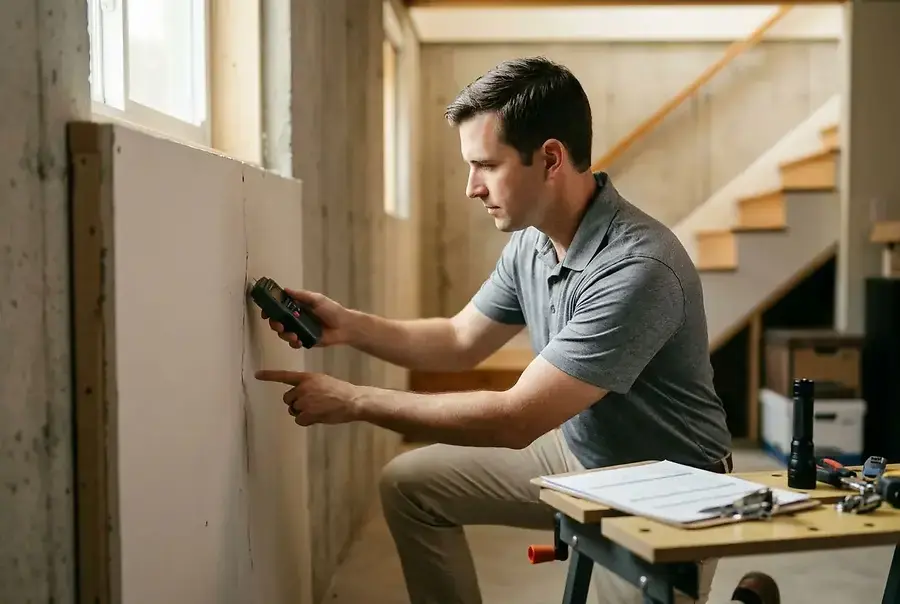
A home inspection is one of the most critical steps in the home-buying journey. This comprehensive evaluation of a property's condition helps you understand what you're investing in and identifies potential issues before you sign the final papers. In Raleigh, a typical home inspection takes between two to four hours and involves a licensed inspector examining the property's major systems and structural components.
During the inspection, you have the right to be present and ask questions. This is your opportunity to learn about the property directly from a professional, so take advantage of it. The inspector will document their findings in a detailed report that becomes a crucial tool in your negotiation process.
What to Expect During Your Inspection
Your inspector will systematically evaluate the home's condition, taking photographs and notes along the way. They'll check everything from the foundation to the roof, testing systems and looking for signs of damage, wear, or code violations. The goal is to provide you with an honest assessment of the property's current state, not to scare you away from a purchase.
Critical Areas Inspectors Examine in Raleigh Homes
Foundation and Structural Components
Raleigh's clay-heavy soil can pose unique challenges for home foundations. Inspectors pay special attention to:
- Cracks in the foundation or basement walls
- Signs of settling or shifting
- Water damage or moisture intrusion
- Proper grading around the foundation
Foundation issues can be expensive to repair, making this one of the most important areas to evaluate carefully.
Roofing and Exterior
The roof protects your entire investment, so inspectors examine:
- Shingle condition and remaining lifespan
- Flashing around chimneys and vents
- Gutters and downspout functionality
- Siding condition and water damage
- Windows and door seals
A roof replacement can cost thousands of dollars, so understanding its condition is essential.
HVAC Systems
Heating and cooling systems are vital in Raleigh's climate. Inspectors check:
- Age and condition of furnace and air conditioning units
- Proper airflow and ductwork
- Thermostat functionality
- Maintenance records and service history
Plumbing and Water Systems
Water-related issues can lead to significant damage. Inspectors evaluate:
- Water pressure and flow
- Pipe material and condition
- Signs of leaks or water damage
- Water heater age and functionality
- Septic system condition (if applicable)
Electrical Systems
Electrical safety is paramount. Inspectors examine:
- Panel condition and capacity
- Proper grounding and bonding
- Outlet and switch functionality
- Signs of outdated or hazardous wiring
How to Review and Interpret Your Inspection Report
Understanding the Report Format
Most inspection reports categorize findings into three levels: safety concerns, major repairs needed, and minor maintenance items. Don't panic if you see items listed—every home has some issues. The key is understanding which ones matter most.
Prioritizing Issues
Not all inspection findings require immediate action. Consider:
- Critical Issues: Safety hazards or major system failures that need immediate attention
- Important Issues: Items that will likely need repair within the next few years
- Minor Issues: Cosmetic problems or routine maintenance items
Work with your real estate agent to determine which issues are negotiable and which are simply part of home ownership.
Getting a Second Opinion
If the report identifies significant issues, consider hiring a specialist for a more detailed evaluation. For example, a structural engineer can assess foundation concerns, or a licensed electrician can review electrical issues. This additional investment can provide peace of mind and accurate repair estimates.
Next Steps: Using Inspection Results in Your Offer
Negotiation Strategies
Your inspection report is a powerful negotiation tool. You have several options:
- Request repairs: Ask the seller to fix critical issues before closing
- Request credits: Negotiate a price reduction to cover repair costs yourself
- Walk away: If issues are too extensive, you may decide the property isn't right for you
Be reasonable in your requests. Sellers are more likely to negotiate on major issues than minor cosmetic concerns.
Creating a Post-Purchase Plan
Once you've addressed critical inspection items, create a maintenance plan for the issues you're accepting. This helps you budget for future repairs and prevents small problems from becoming big ones.
"A home inspection isn't about finding reasons to back out of a deal—it's about making an informed decision about one of the largest purchases of your life."
Final Thoughts
The home inspection process might seem daunting, but it's an investment in your future. By understanding what inspectors look for, carefully reviewing your report, and using the findings strategically, you can protect yourself from costly surprises and make a confident decision about your Raleigh home purchase. Remember, every home has issues—the goal is knowing what those issues are and deciding if they're acceptable to you.
Work closely with your real estate agent and inspector throughout this process. They're your partners in ensuring you make the best possible decision for your family and your finances.


