The Complete Home Inspection Guide for Residential Buyers
Discover the critical inspection points that protect your investment and prevent costly surprises after closing.

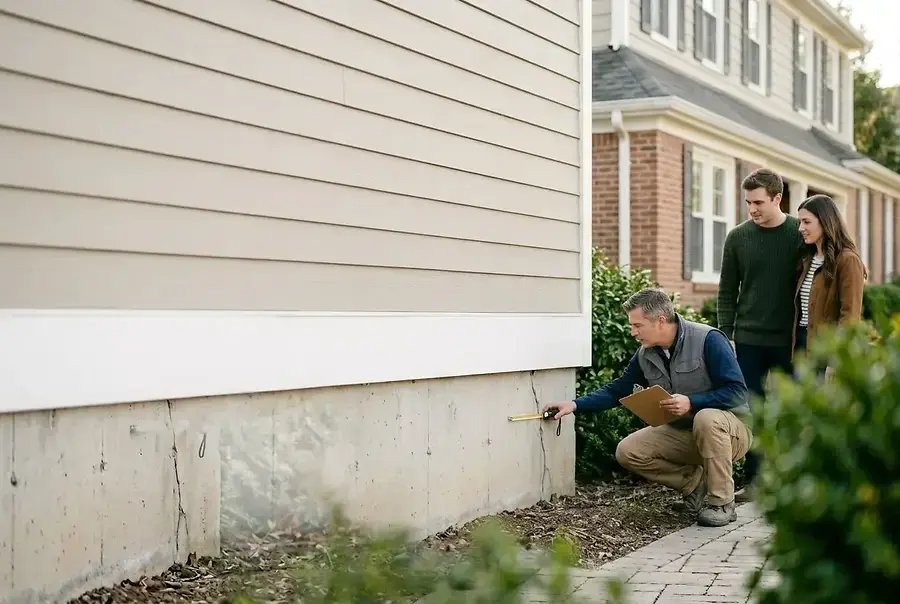
Why Home Inspections Matter More Than You Think
Purchasing a home is one of the most significant financial decisions you'll ever make. While many buyers focus on location, price, and aesthetics, the true value of a property lies in its structural integrity and mechanical systems. A professional home inspection is your safeguard against inheriting expensive problems that could drain your savings for years to come.
Home inspections reveal hidden issues that aren't visible during a casual walkthrough. From foundation cracks to faulty electrical wiring, these problems can cost thousands to repair. By investing in a thorough inspection, you gain the knowledge needed to make informed decisions and protect your investment from day one.
The bottom line: A home inspection isn't just a formality—it's your opportunity to understand exactly what you're buying and negotiate from a position of strength.
Key Areas Inspectors Evaluate and Red Flags to Watch For
Structural Components
Inspectors carefully examine the foundation, walls, and roof for signs of damage or deterioration. Look for:
- Foundation cracks wider than 1/4 inch
- Bowing or leaning walls
- Water stains or moisture in basements
- Roof age and missing or damaged shingles
Foundation issues are particularly serious because they affect the entire structure. If an inspector identifies significant foundation problems, this should be a major red flag requiring further evaluation by a structural engineer.
Electrical Systems
Outdated or faulty electrical systems pose serious safety risks, including fire hazards. Inspectors check for:
- Outdated wiring (aluminum or knob-and-tube wiring)
- Insufficient outlets and grounding
- Overloaded circuits or improper breaker sizing
- Lack of GFCI protection in bathrooms and kitchens
If the inspection reveals a home still using aluminum wiring or knob-and-tube systems, budget for complete rewiring—a costly but necessary upgrade.
Plumbing and Water Systems
Water-related issues can lead to mold, rot, and structural damage. Inspectors evaluate:
- Water pressure and drainage
- Pipe material and condition (galvanized, copper, or PVC)
- Water heater age and functionality
- Signs of leaks or water damage
Galvanized pipes installed decades ago may be corroded and require replacement. This is a significant expense that should factor into your negotiation strategy.
HVAC Systems
Heating, ventilation, and air conditioning systems are essential for comfort and indoor air quality. Inspectors assess:
- Age and condition of furnaces and air conditioners
- Proper ventilation and ductwork
- Carbon monoxide safety
- Maintenance records and efficiency ratings
An aging HVAC system nearing the end of its lifespan may need replacement within a few years—a cost that could reach $5,000 to $10,000.
Insulation and Ventilation
Proper insulation and ventilation prevent energy loss and moisture problems. Inspectors look for:
- Adequate attic insulation
- Proper ventilation to prevent moisture buildup
- Air sealing around windows and doors
- Signs of mold or mildew
How to Prepare for an Inspection and Review the Report
Before the Inspection
Preparation is key to getting the most value from your inspection. Here's what you should do:
- Hire a qualified inspector: Look for certifications from organizations like the American Society of Home Inspectors (ASHI) or the National Association of Home Inspectors (NAHI).
- Attend the inspection: Being present allows you to ask questions and see issues firsthand.
- Request a detailed report: Ensure the inspector provides a comprehensive written report with photos and descriptions of findings.
- Ask about specialties: If the home is older or in a flood-prone area, consider additional inspections for asbestos, radon, or pest damage.
Reviewing the Report
Once you receive the inspection report, take time to understand it thoroughly. Reports typically categorize findings as:
- Major issues: Significant problems requiring immediate attention or repair
- Minor issues: Small defects that don't affect safety or functionality
- Recommendations: Suggested maintenance or upgrades for optimal performance
Don't be alarmed by a long list of findings—most homes have some issues. Focus on major concerns that affect safety, structural integrity, or significant systems. Use the report as a negotiation tool to request repairs, credits, or price reductions.
When to Get a Second Opinion
If the inspection reveals major issues, consider hiring a specialist. Structural engineers, electricians, and plumbers can provide detailed assessments and repair estimates. This investment protects you from making decisions based on incomplete information.
Using Inspection Findings to Negotiate and Move Forward
The inspection report is your leverage in negotiations. You have several options:
- Request repairs: Ask the seller to fix major issues before closing.
- Negotiate a price reduction: Reduce the offer price to account for repair costs you'll handle.
- Request credits: Ask the seller to provide funds at closing for repairs.
- Walk away: If issues are too extensive or costly, you have the right to withdraw your offer (if you included an inspection contingency).
A thorough home inspection transforms you from a hopeful buyer into an informed negotiator. Knowledge is power in real estate transactions.
Be reasonable in your requests. Sellers expect some negotiation based on inspection findings, but excessive demands may cause them to withdraw from the deal. Work with your real estate agent to determine fair requests based on local market conditions and comparable repairs.
Conclusion: Protecting Your Investment
A home inspection is one of the most important steps in the home-buying process. It provides clarity about the property's condition, identifies potential problems, and gives you the information needed to make confident decisions.
Don't skip this crucial step or rush through the report. Take time to understand the findings, ask questions, and use the information strategically in negotiations. By doing so, you'll protect your investment and avoid costly surprises after closing.
Remember: The goal of a home inspection isn't to find reasons to back out of a deal—it's to ensure you're making an informed purchase and getting fair value for your money. With this comprehensive guide, you're now equipped to navigate the inspection process with confidence.