The Complete Home Inspection Guide for Residential Buyers
Learn what professional inspectors evaluate and how to use inspection findings to negotiate repairs and protect your investment.

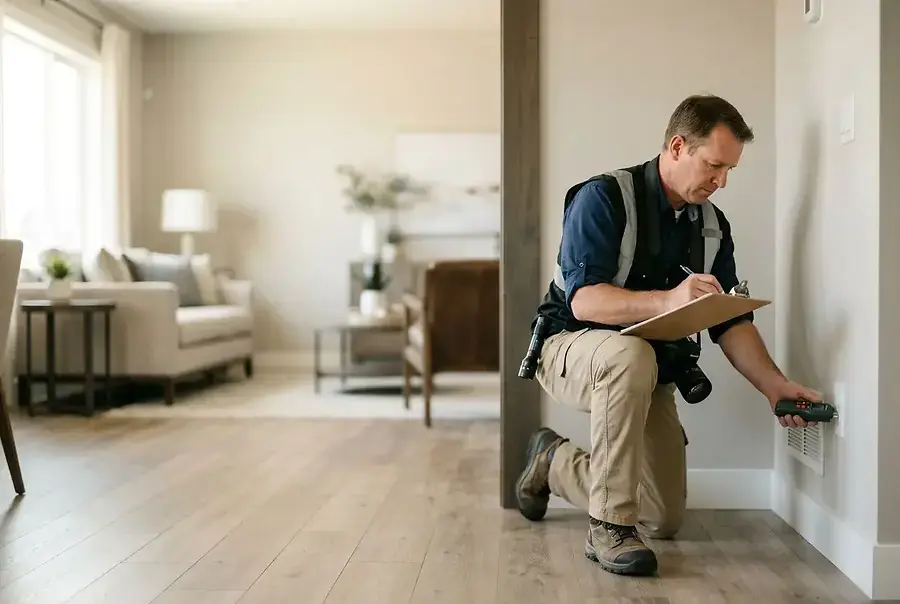
Why Home Inspections Matter for Residential Buyers
Purchasing a home is one of the most significant financial decisions you'll make in your lifetime. A professional home inspection is your opportunity to uncover potential issues before you commit to the purchase. Rather than discovering costly problems after closing, a thorough inspection provides you with critical information to make informed decisions and negotiate favorable terms.
Home inspections serve as a protective measure for buyers, offering peace of mind and preventing expensive surprises down the road. Whether you're a first-time homebuyer or an experienced investor, understanding the inspection process is essential to protecting your investment and ensuring you're getting fair value for your money.
What Professional Inspectors Evaluate: Systems, Structure, and Safety
Structural Components
Professional inspectors begin by examining the home's foundation, walls, and roof structure. They look for signs of settling, cracks, water damage, and structural deterioration. A compromised foundation can lead to serious issues affecting the entire property, making this evaluation critical to your purchase decision.
The roof is another crucial component inspected for:
- Age and remaining lifespan of roofing materials
- Signs of leaks, missing shingles, or damaged flashing
- Proper ventilation and attic conditions
- Gutters and drainage systems
Mechanical Systems
HVAC Systems: Inspectors evaluate your heating, ventilation, and air conditioning systems for proper operation, age, and maintenance needs. A failing HVAC system can be one of the most expensive repairs in a home.
Plumbing: The inspection includes checking for leaks, water pressure, drainage issues, and the condition of pipes. Inspectors test fixtures and look for signs of corrosion or outdated materials that may need replacement.
Electrical Systems: Inspectors examine the electrical panel, wiring, outlets, and switches for safety hazards. They verify that the system meets current code requirements and can safely handle the home's electrical demands.
Safety Features
Professional inspectors verify the presence and functionality of critical safety features including:
- Smoke and carbon monoxide detectors
- Fire extinguishers and emergency exits
- Handrails and stair safety
- Proper grounding and electrical safety measures
Interior and Exterior Conditions
Inspectors evaluate the condition of walls, ceilings, floors, windows, doors, and exterior siding. They look for water damage, mold, pest infestations, and signs of poor maintenance. The kitchen and bathrooms receive special attention due to their complexity and cost to repair.
Interpreting Your Inspection Report and Negotiating Repairs
Understanding the Report
Your inspection report will categorize findings into different severity levels. Critical issues require immediate attention and may affect your decision to purchase. Major concerns need repair soon to prevent further damage. Minor issues are typically cosmetic or low-priority maintenance items.
Take time to review the report thoroughly and ask your inspector to clarify any findings. Request photographs and detailed explanations of significant issues so you fully understand what needs attention.
Negotiation Strategies
Armed with inspection findings, you have several options for negotiation:
- Request repairs: Ask the seller to fix critical issues before closing
- Price reduction: Negotiate a lower purchase price to account for repair costs
- Escrow holdback: Have funds held in escrow to cover repairs after closing
- Seller concessions: Request the seller provide credits for specific repairs
Focus your negotiations on significant structural, mechanical, and safety issues rather than minor cosmetic concerns. Be reasonable in your requests—sellers are more likely to agree to necessary repairs than extensive renovations.
When to Walk Away
If the inspection reveals extensive damage, foundation problems, or major system failures that would require substantial investment, you may want to reconsider the purchase. Your inspection contingency allows you to withdraw from the deal without penalty if serious issues are discovered. Don't let emotions override practical financial considerations.
Using Inspection Data to Make Confident Purchase Decisions
A professional home inspection is an investment in your future. The inspection fee—typically between $300 and $500—is minimal compared to the potential cost of undiscovered problems. Use the inspection report as a tool to make an informed decision about whether this property is the right investment for you.
Consider the age of major systems, the overall condition of the property, and your willingness and ability to handle repairs. Factor repair costs into your financial planning and ensure you're comfortable with the property's condition at your negotiated price.
A thorough home inspection provides the knowledge and leverage you need to make a confident purchase decision and protect your investment for years to come.
By understanding what inspectors evaluate, carefully reviewing your inspection report, and negotiating effectively based on findings, you'll ensure that your home purchase is a sound investment. Don't skip this critical step in the buying process—your future self will thank you.


