The Complete Home Inspection Guide for Residential Property Buyers
Discover the critical inspection points that protect your investment and prevent costly surprises after closing.

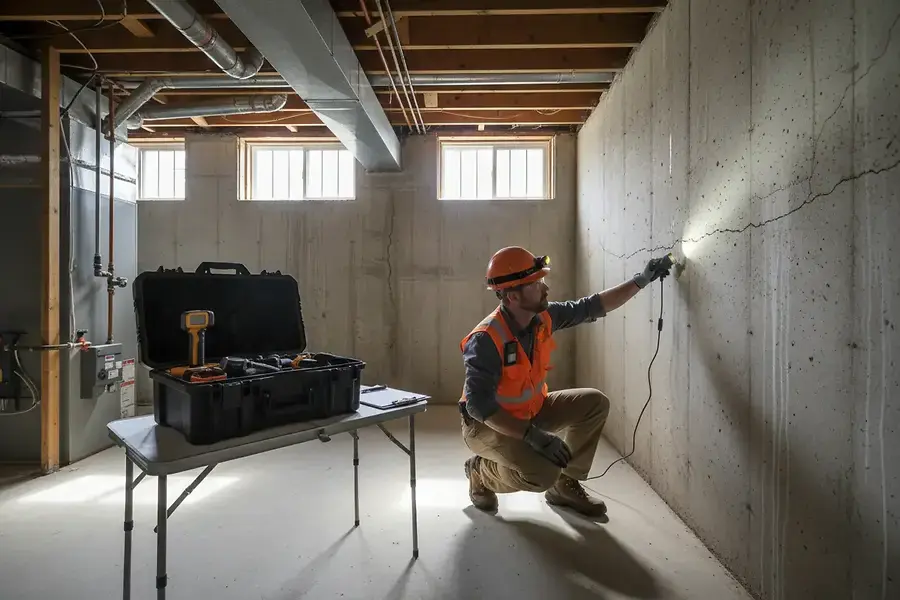
Introduction: Why Home Inspections Matter for Residential Purchases
Purchasing a home is one of the most significant financial decisions you'll make in your lifetime. While the excitement of finding your dream property can be overwhelming, it's crucial to take a step back and ensure you're making a sound investment. A professional home inspection is your best defense against inheriting costly problems and hidden defects that could drain your finances for years to come.
A thorough home inspection provides you with a detailed assessment of the property's condition, from the foundation to the roof. This comprehensive evaluation gives you the knowledge needed to negotiate repairs, request credits, or make an informed decision about whether to proceed with the purchase. Without this critical step, you could be blindsided by expensive repairs shortly after closing.
Key reasons to prioritize home inspections:
- Identify structural problems before they become catastrophic
- Discover safety hazards that could endanger your family
- Uncover deferred maintenance and aging systems
- Gain leverage for price negotiations
- Plan for future repairs and replacements
- Ensure compliance with building codes and safety standards
Structural and Foundation Elements to Evaluate
Foundation Assessment
The foundation is the backbone of any home. Inspectors will examine the foundation for cracks, settling, water damage, and signs of structural movement. Common foundation issues include:
- Horizontal or stair-step cracks indicating structural stress
- Water infiltration and moisture problems
- Uneven settling or foundation displacement
- Deterioration of concrete or masonry materials
- Inadequate drainage around the perimeter
Even minor foundation issues can escalate into major problems if left unaddressed. A professional inspector will assess the severity and recommend whether repairs are necessary.
Roof and Attic Inspection
Your roof protects everything beneath it, making its condition paramount. Inspectors evaluate the roof's age, material condition, and remaining lifespan. Critical roof elements to examine include:
- Shingle condition and signs of wear or damage
- Flashing around chimneys, vents, and skylights
- Gutters and downspout functionality
- Attic ventilation and insulation levels
- Evidence of leaks or water damage
- Structural integrity of roof framing
A roof replacement can cost thousands of dollars, so understanding its current condition is essential for budgeting future maintenance.
Walls, Windows, and Doors
The exterior envelope of your home protects against weather and pests. Inspectors will check for cracks in siding, deterioration of exterior materials, and proper weatherproofing. Windows and doors should operate smoothly and seal properly to prevent air leaks and water infiltration. Pay special attention to areas prone to moisture damage, such as around windows and doors.
Systems and Utilities: HVAC, Plumbing, and Electrical Components
HVAC Systems
Heating, ventilation, and air conditioning systems are essential for comfort and indoor air quality. During inspection, professionals will evaluate the furnace or heat pump, air conditioning unit, ductwork, and thermostat functionality. Key HVAC considerations:
- Age and remaining lifespan of equipment
- Proper operation and temperature consistency
- Ductwork condition and air distribution
- Maintenance records and service history
- Carbon monoxide detector presence and functionality
- Filter accessibility and replacement schedule
Replacing an HVAC system is a substantial expense, so knowing its age and condition helps you plan accordingly.
Plumbing Systems
A home's plumbing system is complex and critical for daily living. Inspectors will test water pressure, check for leaks, examine pipe materials, and assess the water heater. Important plumbing inspection points include:
- Water pressure and flow rates
- Visible leaks under sinks and around fixtures
- Pipe material and age (galvanized, copper, PVC)
- Water heater condition and capacity
- Drain functionality and signs of clogs
- Sump pump operation in basements
- Septic system condition (if applicable)
Plumbing issues can lead to water damage and mold growth, making early detection crucial.
Electrical Systems
Your home's electrical system powers everything and must be safe and up to code. Professional inspectors will examine the main panel, circuit breakers, outlets, and wiring throughout the home. Critical electrical inspection elements:
- Main electrical panel condition and capacity
- Proper grounding and bonding
- GFCI outlets in wet areas (bathrooms, kitchen, garage)
- Adequate number of outlets and circuits
- Outdated wiring systems (knob-and-tube, aluminum)
- Proper installation of fixtures and switches
- Smoke and carbon monoxide detector presence
Electrical problems pose serious safety risks, including fire hazards. Addressing issues identified during inspection is non-negotiable.
Conclusion: Making Informed Decisions with Inspection Results
A comprehensive home inspection is an investment in your peace of mind and financial security. By thoroughly evaluating structural elements, foundation integrity, and critical systems, you gain the knowledge needed to make confident purchasing decisions.
After receiving your inspection report, consider these steps:
- Review the report carefully and ask your inspector to clarify any concerns
- Prioritize issues by severity and cost of repairs
- Obtain repair estimates for significant problems
- Negotiate with the seller for repairs or credits
- Plan for future maintenance and replacements
- Keep the report for future reference and warranty claims
Remember, no home is perfect, but understanding its condition allows you to move forward with confidence. A professional home inspection is not an expense—it's an essential safeguard that protects your investment and ensures you're making one of life's most important decisions with complete information. Don't skip this critical step in your home-buying journey.


