The Complete Home Inspection Guide for Residential Property Buyers
Discover the critical areas inspectors examine to protect your investment and avoid costly surprises.

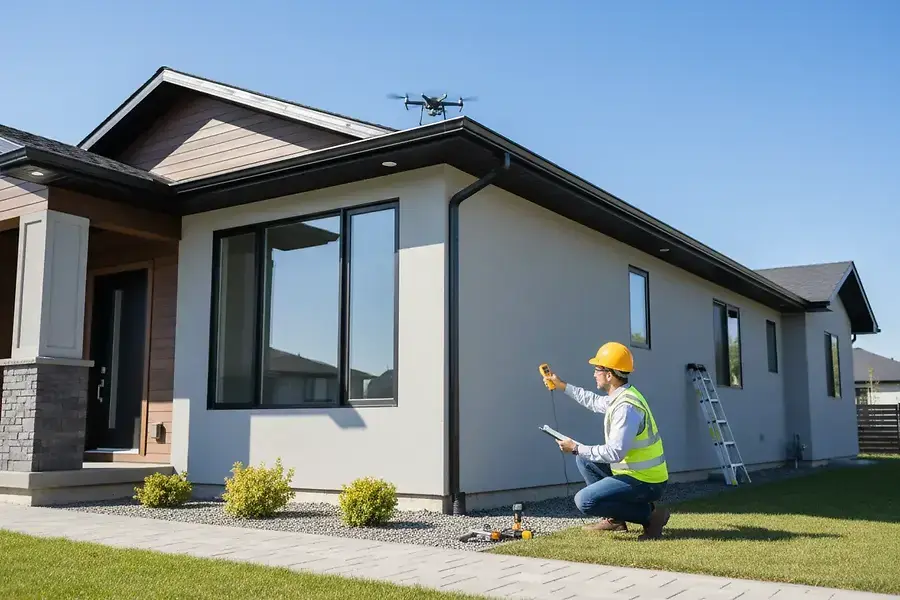
Introduction: Why Professional Home Inspections Matter for Residential Purchases
Purchasing a home is one of the most significant financial decisions you'll make in your lifetime. While you may have fallen in love with a property's aesthetics and location, what lies beneath the surface—literally and figuratively—can make or break your investment. This is where professional home inspections become invaluable.
A thorough home inspection provides an objective assessment of a property's condition, identifying potential issues before you commit to the purchase. Rather than discovering expensive problems after closing, a comprehensive inspection report empowers you to negotiate repairs, request credits, or make an informed decision about whether to proceed with the purchase.
According to industry standards, a professional home inspector examines hundreds of components across multiple systems, spending several hours evaluating everything from the foundation to the roof. This detailed analysis can save you tens of thousands of dollars in unexpected repairs and provide peace of mind about your new investment.
Structural and Foundation Assessment: What Inspectors Look For
Foundation Integrity
The foundation is the literal backbone of your home. Inspectors carefully examine the foundation for:
- Cracks and settlement – Small hairline cracks are normal, but larger cracks may indicate serious structural issues
- Water damage and moisture intrusion – Signs of water seepage can lead to mold, rot, and structural deterioration
- Proper drainage – Inadequate grading or drainage systems can cause water to pool around the foundation
- Basement or crawl space conditions – Inspectors assess ventilation, moisture levels, and structural support
Structural Components
Beyond the foundation, inspectors evaluate the overall structural integrity of the home, including:
- Framing and load-bearing walls
- Floor joists and support beams
- Roof framing and attic conditions
- Signs of pest damage or wood rot
- Proper ventilation in attics and crawl spaces
A well-maintained structure is the foundation of a safe and valuable home. Structural issues discovered during inspection can be negotiated before purchase, potentially saving you significant repair costs.
Systems and Safety: Evaluating Electrical, Plumbing, HVAC, and Roof Condition
Electrical Systems
Your home's electrical system powers everything and poses safety risks if not properly maintained. Inspectors examine:
- Main electrical panel – Checking for proper installation, labeling, and safety compliance
- Wiring condition – Identifying outdated or hazardous wiring materials
- Outlets and switches – Testing for proper grounding and functionality
- Safety devices – Verifying the presence and operation of GFCI outlets and circuit breakers
- Capacity and upgrades – Assessing whether the system can handle modern electrical demands
Plumbing Systems
Water systems are critical to daily living and can be expensive to repair. Inspectors evaluate:
- Water supply lines for leaks and proper pressure
- Drain and waste systems for blockages or damage
- Water heater condition and age
- Fixtures for proper operation and water quality
- Presence of outdated materials like galvanized pipes or polybutylene tubing
HVAC Systems
Heating, ventilation, and air conditioning systems are essential for comfort and indoor air quality. Inspectors assess:
- Furnace or heat pump condition – Age, maintenance history, and operational efficiency
- Air conditioning unit – Refrigerant levels, compressor function, and overall performance
- Ductwork – Checking for leaks, proper insulation, and adequate airflow
- Thermostat operation – Ensuring proper temperature control and programming
- Maintenance records – Reviewing service history to understand system reliability
Roof Condition
Your roof protects everything beneath it, making its condition critically important. Inspectors examine:
- Shingle or material condition – Looking for missing, cracked, or deteriorating roofing materials
- Flashing and seals – Checking areas around chimneys, vents, and skylights for proper waterproofing
- Gutters and downspouts – Assessing drainage systems and proper water flow
- Attic ventilation – Ensuring proper airflow to prevent moisture buildup and premature aging
- Age and remaining lifespan – Estimating how many years of service remain before replacement
A roof replacement can cost $10,000 to $25,000 or more, making this one of the most important areas to evaluate during inspection.
Conclusion: Using Inspection Reports to Make Confident Buying Decisions
A comprehensive home inspection report provides detailed documentation of a property's condition, complete with photographs and professional recommendations. This information becomes your negotiating tool and your roadmap for future maintenance.
Here's how to use your inspection report effectively:
- Identify deal-breakers – Determine which issues are serious enough to reconsider the purchase
- Prioritize repairs – Focus on critical safety and structural issues before cosmetic concerns
- Negotiate with sellers – Request repairs, credits, or price reductions based on inspection findings
- Plan for maintenance – Use the report to schedule necessary repairs and preventive maintenance
- Budget for replacements – Anticipate future expenses like roof or HVAC replacement
Investing in a professional home inspection is one of the smartest decisions you can make as a residential property buyer. By understanding what inspectors examine and how to interpret their findings, you protect your investment, avoid costly surprises, and move forward with confidence in your home purchase decision.
Remember: a thorough home inspection isn't an expense—it's an investment in your peace of mind and financial security.


