The Complete Home Inspection Guide for Residential Property Buyers
Learn what professional inspectors look for and how to protect your investment before closing day.

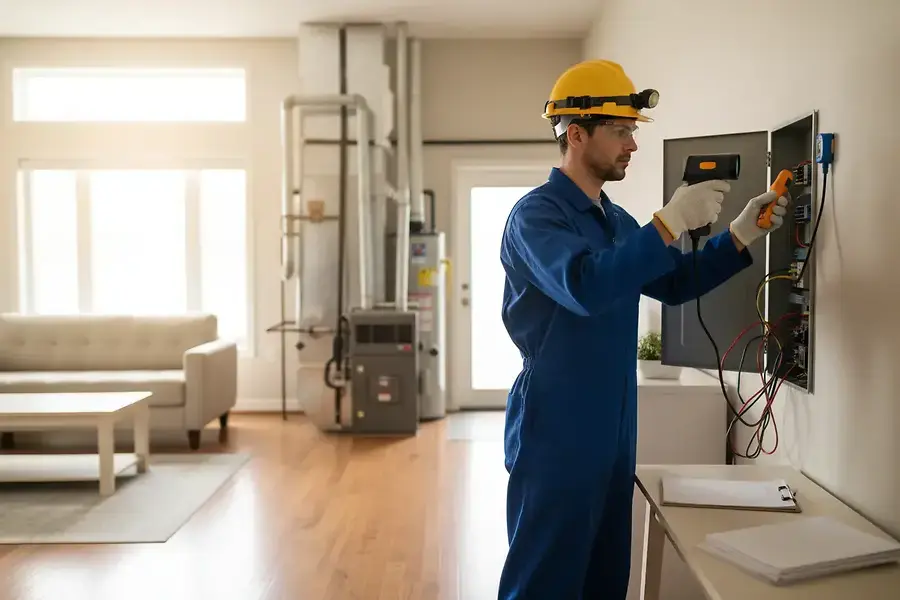
Understanding the Home Inspection Process and Why It Matters
Purchasing a home is one of the most significant financial decisions you'll make in your lifetime. A professional home inspection is your opportunity to uncover potential problems before you sign on the dotted line. This crucial step can save you thousands of dollars and prevent costly surprises down the road.
A standard home inspection typically lasts two to three hours and covers all major systems and components of the property. The inspector will examine the foundation, roof, electrical systems, plumbing, HVAC, insulation, and more. Unlike an appraisal, which determines the home's market value, an inspection focuses on the condition and functionality of the property.
During the inspection, you have the right to be present and ask questions. This is your chance to learn about the home's condition directly from an expert. Take notes, ask for clarifications, and don't hesitate to request additional information about any concerns that arise.
Why Professional Inspections Matter
Many buyers skip inspections to save money or speed up the process, but this is a risky gamble. A professional inspector brings specialized knowledge and experience that untrained eyes simply cannot match. They know what to look for, where problems typically hide, and how to assess the severity of issues.
- Identify safety hazards before they become emergencies
- Understand the true condition of major systems and appliances
- Plan for future maintenance and repairs
- Gain leverage in price negotiations
- Protect your investment and peace of mind
Common Issues Inspectors Discover and How to Evaluate Them
Understanding what inspectors typically find helps you know what questions to ask and how serious various issues might be. Not all problems are deal-breakers, but some require immediate attention.
Structural and Foundation Issues
Foundation problems are among the most serious issues an inspector can discover. Look for signs like cracks in the foundation, uneven floors, or water damage. Minor cracks may be cosmetic, but larger cracks or those that are actively growing warrant professional evaluation and potential repair estimates.
Roof and Exterior Concerns
The roof is your home's first line of defense against the elements. Inspectors check for missing shingles, deterioration, improper flashing, and remaining lifespan. A roof nearing the end of its life might need replacement within a few years, which is an expensive undertaking. Exterior issues like rotting wood, damaged siding, or poor drainage can lead to water intrusion and structural damage.
Plumbing and Water Issues
Water damage is a homeowner's nightmare. Inspectors look for leaks, water stains, mold, and outdated plumbing materials. Galvanized pipes and polybutylene plumbing are red flags, as they're prone to failure. Slow drains, low water pressure, and inadequate venting can indicate deeper problems.
Electrical System Problems
Outdated electrical systems, insufficient outlets, and improper grounding are common issues. Inspectors check for aluminum wiring (a fire hazard), double-tapped breakers, and improper installation. These issues may require upgrades to meet current safety codes.
HVAC and Insulation
Heating and cooling systems are expensive to replace. Inspectors assess the age, condition, and efficiency of your HVAC system. Poor insulation affects energy costs and comfort levels. Inadequate ventilation can lead to moisture problems and poor air quality.
Mold, Pests, and Environmental Concerns
While a standard inspection may identify visible mold, specialized testing might be needed for comprehensive assessment. Pest damage, asbestos, lead paint, and radon are other environmental concerns that may require additional inspections depending on the home's age and location.
Negotiating Repairs and Using Inspection Results to Your Advantage
Once you have the inspection report, you're in a stronger negotiating position. Here's how to use this information strategically:
Prioritize Issues by Severity
Categorize findings into three groups: critical safety issues, major repairs needed soon, and minor maintenance items. Focus your negotiations on critical and major issues that affect safety, functionality, or significant costs.
Get Repair Estimates
Don't rely solely on the inspector's observations. Obtain written estimates from licensed contractors for major repairs. This gives you concrete numbers to present during negotiations and helps you understand the true cost of addressing issues.
Negotiation Strategies
- Request the seller make repairs before closing
- Ask for a credit toward closing costs to handle repairs yourself
- Negotiate a price reduction based on repair costs
- Request a warranty or guarantee on completed repairs
- Set aside contingency funds for unexpected issues
Remember: The inspection report is a negotiating tool, not necessarily a reason to walk away. Many homes have issues—what matters is understanding them and deciding if they're acceptable to you.
When to Walk Away
Some inspection findings are serious enough to reconsider your offer. Walk away if you discover major structural damage, extensive mold, severe foundation issues, or problems that would cost more than you're willing to invest. Trust your instincts and don't let emotions override practical concerns.
Moving Forward with Confidence After Your Inspection
After addressing inspection concerns through negotiation or your own due diligence, you can move toward closing with greater confidence.
Create a Maintenance Plan
Use the inspection report to develop a maintenance schedule. Address minor issues promptly to prevent them from becoming major problems. Keep records of all maintenance and repairs for future reference and resale value.
Budget for Future Repairs
The inspection report reveals the age and condition of major systems. Budget for replacements and upgrades accordingly. A roof with 10 years of life remaining, an HVAC system nearing the end of its lifespan, or aging plumbing should all factor into your long-term financial planning.
Obtain Copies of Everything
Request copies of the full inspection report, any contractor estimates, and documentation of repairs completed by the seller. These documents are valuable for warranty claims, insurance purposes, and future resale.
A thorough home inspection is an investment in your future. By understanding what inspectors look for, evaluating findings carefully, and using the results strategically, you protect your investment and ensure you're making an informed decision. Don't rush this process—take the time to understand your new home fully before closing day.


