The Complete Home Inspection Guide for Sacramento Valley Buyers
Discover what professional inspectors look for and how to protect your investment in the competitive Sacramento region.

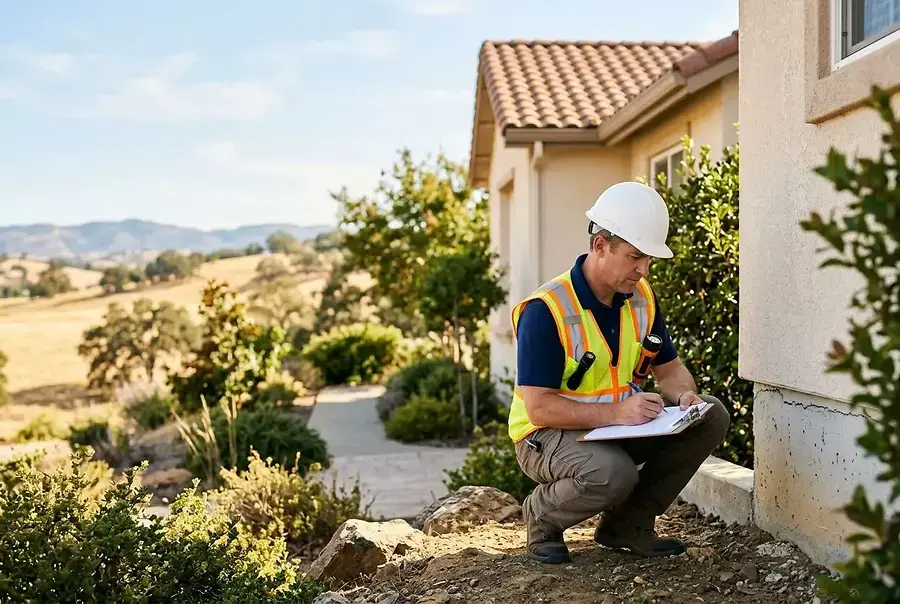
Why Home Inspections Matter in Sacramento Valley
Purchasing a home in the Sacramento Valley is one of the most significant investments you'll make in your lifetime. With the region's competitive real estate market, buyers often feel pressured to make quick decisions and skip crucial steps. However, a professional home inspection is not an expense—it's essential protection for your investment.
The Sacramento Valley's unique climate, ranging from hot, dry summers to mild winters, creates specific wear patterns on homes. Properties in this region face distinct challenges including foundation settling in clay-heavy soils, heat damage to roofing materials, and water intrusion issues during rare but intense rainy seasons. A qualified inspector understands these local conditions and knows exactly what to look for.
A thorough home inspection can reveal problems that might cost thousands to repair, giving you the information needed to negotiate repairs, request credits, or walk away from a problematic property before it's too late.
Key Areas Professional Inspectors Evaluate
Structural Components and Foundation
Inspectors begin by examining the home's foundation and structural integrity. In Sacramento Valley, where soil composition varies significantly, foundation issues are common. Professionals look for:
- Cracks in the foundation or basement walls
- Signs of settling or uneven floors
- Water damage or moisture intrusion
- Proper grading around the foundation to direct water away from the home
Roofing and Exterior
The roof is your home's first line of defense against the elements. Inspectors evaluate:
- Roof age and remaining lifespan
- Missing, cracked, or curling shingles
- Proper ventilation and attic conditions
- Gutters, downspouts, and drainage systems
- Exterior walls, siding, and paint condition
- Windows and doors for proper sealing and operation
Plumbing Systems
Water-related issues can be expensive and damaging. Professional inspectors check:
- Water pressure and flow rates
- Pipe material and condition (older homes may have outdated plumbing)
- Leaks under sinks and around fixtures
- Water heater age and functionality
- Septic systems or sewer line connections
- Grading to ensure proper drainage away from the home
Electrical Systems
Electrical safety is paramount. Inspectors examine:
- Panel capacity and condition
- Proper grounding and bonding
- GFCI outlets in wet areas
- Outdated wiring that may pose fire hazards
- Adequate outlets and circuit distribution
HVAC and Climate Control
Given Sacramento Valley's temperature extremes, heating and cooling systems are critical. Inspectors assess:
- Furnace or heat pump age and efficiency
- Air conditioning unit functionality
- Ductwork condition and proper insulation
- Thermostat operation
- Proper ventilation throughout the home
Interior Conditions
Inspectors also evaluate interior spaces for:
- Mold or mildew growth
- Water stains indicating past or present leaks
- Insulation levels in attic and walls
- Flooring condition and potential hazards
- Doors, windows, and interior fixtures
Red Flags and Common Issues Found in Local Properties
Foundation and Soil-Related Problems
Sacramento Valley's clay-heavy soils are prone to expansion and contraction. Watch for homes with:
- Diagonal cracks in drywall or brick
- Doors and windows that stick or won't close properly
- Visible foundation cracks wider than 1/4 inch
- Evidence of previous foundation repairs without proper engineering
Roof and Heat Damage
The region's intense summer heat accelerates roof deterioration. Be cautious of:
- Roofs nearing the end of their lifespan (typically 20-25 years)
- Excessive granule loss in gutters
- Sagging roof lines
- Inadequate attic ventilation leading to heat buildup
Water Intrusion and Drainage Issues
Poor drainage is one of the most common and costly problems in Sacramento Valley homes. Red flags include:
- Grading that slopes toward the home instead of away
- Clogged or missing gutters
- Basement or crawlspace moisture and efflorescence (white mineral deposits)
- Landscape features that trap water near the foundation
Outdated Systems
Older homes may have:
- Aluminum wiring (fire hazard)
- Galvanized plumbing (prone to corrosion and reduced water pressure)
- Outdated electrical panels with insufficient capacity
- Aging HVAC systems requiring imminent replacement
Pest and Termite Damage
Sacramento Valley's climate supports various pests. Look for signs of:
- Termite damage or active infestations
- Rodent entry points
- Wood rot from moisture and pest activity
- Previous pest treatment evidence
Using Inspection Results to Make Confident Offers
Once you receive the inspection report, you have several options. Don't panic if issues are found—most homes have some problems. The key is understanding their severity and cost implications.
A professional home inspection empowers you to negotiate from a position of knowledge, not emotion. Use the findings to request repairs, ask for credits toward fixes, or renegotiate the purchase price.
Work with your real estate agent and a contractor to prioritize issues. Distinguish between cosmetic concerns and structural problems that affect safety and value. Major issues like foundation damage, roof replacement, or electrical hazards should significantly influence your decision.
Remember: the inspection period is your opportunity to walk away without penalty if serious problems emerge. In Sacramento Valley's competitive market, this protection is invaluable. A thorough inspection gives you the confidence to move forward with your purchase or the justification to renegotiate terms.
By understanding what inspectors evaluate and knowing the common issues in your region, you're taking control of one of life's biggest decisions. Invest in a quality inspection—your future self will thank you.