The Complete Home Inspection Guide for Saint Joseph, MO Buyers
Learn what professional inspectors look for and how to protect your investment before closing.

Understanding the Home Inspection Process
Purchasing a home is one of the most significant investments you'll make in your lifetime. In Saint Joseph, Missouri, a professional home inspection is a critical step in the buying process that can save you thousands of dollars in unexpected repairs and provide peace of mind before closing day.
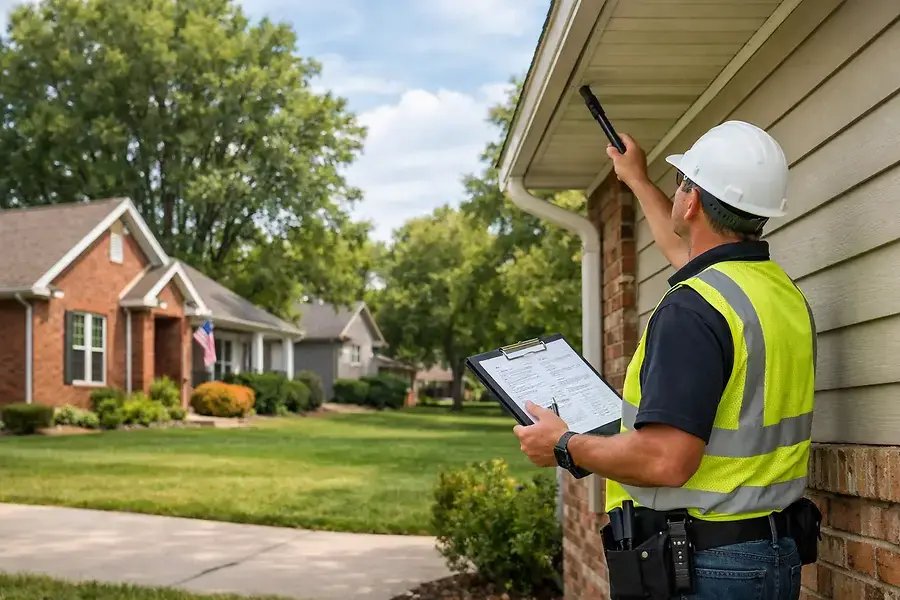
A home inspection is a thorough, non-invasive examination of a property's physical structure and systems. A licensed inspector will spend two to three hours evaluating everything from the foundation to the roof, checking electrical systems, plumbing, HVAC, and more. This process gives you an objective assessment of the home's condition and helps you make an informed decision about your purchase.
Why Home Inspections Matter in Saint Joseph
Saint Joseph's climate and older housing stock make inspections particularly important. Many homes in the area were built decades ago and may have aging systems that require attention. The region's weather patterns, including temperature fluctuations and humidity, can impact structural integrity and system performance over time.
Key reasons to invest in a home inspection:
- Identify hidden problems before they become expensive repairs
- Negotiate repair costs or credits with the seller
- Plan for future maintenance and budgeting
- Verify that systems are functioning properly
- Protect your investment and financial interests
Key Areas Inspectors Evaluate in Saint Joseph Homes
Structural Components
Inspectors carefully examine the foundation, walls, and overall structural integrity. In Saint Joseph, settling and foundation cracks are common concerns due to soil composition and age. They'll look for signs of water damage, mold, and structural movement that could indicate serious problems.
Roofing and Exterior
The roof is your home's first line of defense against the elements. Inspectors evaluate shingle condition, flashing, gutters, and drainage systems. They'll also check siding, windows, doors, and exterior caulking for damage or deterioration that could lead to water intrusion.
Plumbing Systems
Water quality and plumbing functionality are essential. Inspectors test water pressure, check for leaks, examine pipe materials, and assess water heater condition. In older Saint Joseph homes, outdated plumbing materials like galvanized pipes may need replacement.
Electrical Systems
Safety is paramount when evaluating electrical systems. Inspectors check the panel, wiring, outlets, and switches for code compliance and safety hazards. Outdated electrical systems or improper installations are red flags that require professional attention.
HVAC and Ventilation
Heating and cooling systems are tested for proper operation and efficiency. Inspectors evaluate furnaces, air conditioners, ductwork, and ventilation to ensure they're functioning correctly and maintaining adequate airflow throughout the home.
Interior Elements
Inspectors examine walls, ceilings, floors, and insulation. They look for water stains, pest damage, and proper insulation levels. Attics and crawl spaces are inspected for moisture, ventilation issues, and structural concerns.
How to Interpret Your Inspection Report and Negotiate Repairs
Understanding the Report
Your inspection report will categorize findings by severity. Items are typically marked as major concerns (requiring immediate attention), minor issues (should be addressed), or maintenance recommendations (preventive care). Don't panic if you see multiple items—most homes have some issues.
Pro tip: Ask your inspector to walk you through the report and explain findings in detail. Understanding the severity and cost implications helps you prioritize concerns.
Negotiation Strategies
After receiving your inspection report, you have several options:
- Request repairs: Ask the seller to fix major issues before closing
- Request credits: Negotiate a reduction in the purchase price to cover repairs yourself
- Request inspections: Ask for specialized inspections (radon, termites, mold) if concerns arise
- Walk away: If major issues exceed your comfort level, you may terminate the contract
Focus negotiations on significant structural, safety, and system issues rather than cosmetic concerns. Sellers are more likely to address major problems than minor repairs or updates.
Working with Your Real Estate Agent
Your real estate agent can provide valuable guidance on local market conditions and reasonable repair expectations. They'll help you understand what's typical for Saint Joseph homes and what constitutes a legitimate concern versus normal wear and tear.
Taking Action: Next Steps After Your Inspection
Create a Maintenance Plan
Even items marked as minor should be tracked. Create a maintenance schedule for recommended repairs and preventive care. This helps you budget for future expenses and avoid emergency repairs down the road.
Get Specialist Inspections if Needed
If the general inspection reveals concerns about specific systems, consider hiring specialists. Radon testing, mold inspections, and pest inspections are common follow-ups in the Saint Joseph area and can provide detailed information about specific issues.
Plan Your Budget
Use the inspection report to estimate repair and maintenance costs. Set aside funds for immediate repairs and budget for ongoing maintenance. This financial planning protects your investment and prevents financial surprises.
Document Everything
Keep your inspection report, all communications with the seller, and repair estimates in a safe place. This documentation is valuable for warranty claims, insurance purposes, and future reference.
Remember: A home inspection is an investment in your peace of mind and financial security. Taking time to understand the inspection process and address concerns before closing ensures you're making a sound investment in your Saint Joseph home.
By following this guide and working with qualified professionals, you'll be well-equipped to navigate the home inspection process and protect your investment in a Saint Joseph property.


