The Complete Home Inspection Guide for San Antonio Buyers
Protect your investment with a comprehensive guide to understanding what inspectors look for in residential properties.

Why Home Inspections Matter in San Antonio's Market
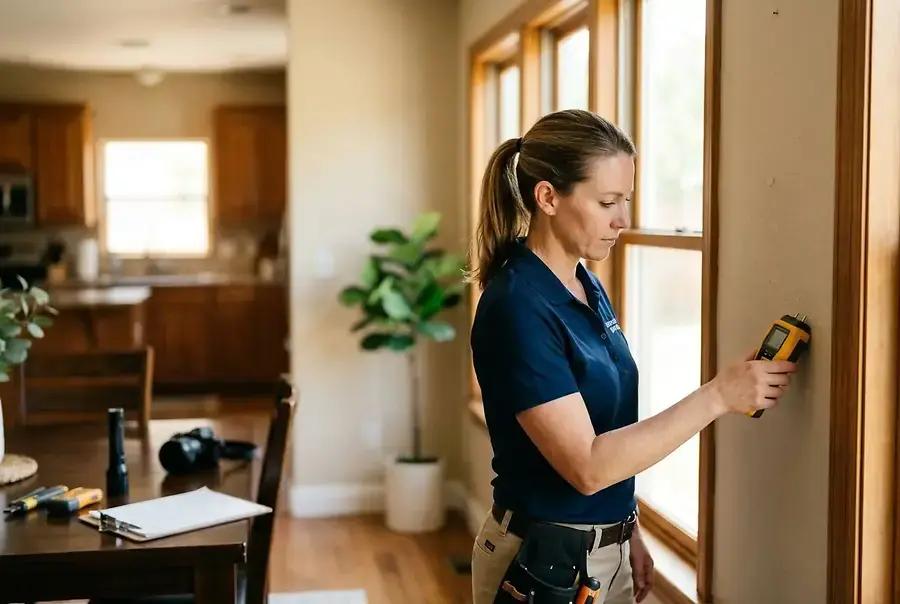
Purchasing a home is one of the most significant financial decisions you'll make. In San Antonio's competitive real estate market, a professional home inspection serves as your safeguard against costly surprises after closing. An inspection provides an objective assessment of a property's condition, revealing issues that may not be visible during a casual walkthrough.
Home inspections are particularly crucial in San Antonio, where the climate and local construction practices can impact property longevity. A thorough inspection can save you thousands of dollars in unexpected repairs and give you the confidence that you're making an informed investment decision.
Key Areas Inspectors Evaluate in Texas Homes
Structural Components
Professional inspectors begin by examining the foundation, walls, and roof structure. In San Antonio, where soil composition can vary significantly, foundation issues are a common concern. Inspectors look for cracks, settling, and signs of water damage that could indicate structural problems.
Roofing and Exterior
The roof is your home's first line of defense against Texas weather. Inspectors evaluate:
- Shingle condition and age
- Flashing around chimneys and vents
- Gutters and drainage systems
- Siding and exterior walls for damage
- Windows and doors for proper sealing
Plumbing Systems
A comprehensive plumbing inspection includes checking water pressure, drain functionality, and the condition of pipes. Hard water is common in San Antonio, which can affect pipe longevity and water quality. Inspectors test all fixtures and look for signs of leaks or corrosion.
Electrical Systems
Inspectors verify that electrical panels are up to code, outlets are properly grounded, and wiring is safe. They check for outdated systems that may need upgrading and ensure the home meets current safety standards.
HVAC and Climate Control
Given San Antonio's hot summers, air conditioning systems are critical. Inspectors evaluate the age, efficiency, and functionality of heating and cooling systems. They also check ductwork for leaks and proper insulation.
Interior Components
Inspectors examine:
- Walls, ceilings, and floors for damage
- Doors and windows for proper operation
- Cabinets and built-in appliances
- Insulation levels in attics and crawl spaces
- Ventilation and moisture control
Red Flags to Watch For During Your Inspection
Water Damage and Moisture Issues
Water damage is one of the most expensive problems to repair. During your inspection, watch for stains on ceilings, walls, or floors. Musty odors, soft spots in wood, or visible mold indicate moisture problems that require immediate attention.
Foundation Problems
Look for horizontal or stair-step cracks in the foundation, uneven floors, or doors that don't close properly. These signs suggest foundation settling or movement, which can be costly to address.
Outdated or Unsafe Electrical Systems
Knob-and-tube wiring or aluminum wiring are red flags. Insufficient outlets or overloaded circuits indicate the electrical system may need upgrading to handle modern power demands.
Aging HVAC Systems
Air conditioning units typically last 10-15 years. If the system is near the end of its lifespan, budget for replacement costs. Similarly, heating systems should be evaluated for efficiency and safety.
Roof Condition
Roofs nearing the end of their life expectancy will require replacement within a few years. Missing shingles, significant wear, or sagging indicate urgent repairs are needed.
Pest Infestations
Evidence of termites, rodents, or other pests should be taken seriously. These infestations can cause structural damage and health hazards. Professional pest inspections may be warranted if signs are present.
Using Inspection Results to Negotiate Better Offers
Understanding Your Inspection Report
A detailed inspection report categorizes findings by severity. Major issues require immediate attention, while minor issues may be acceptable depending on your comfort level and budget. Review the report carefully and ask your inspector to explain any findings you don't understand.
Prioritizing Issues
Not all inspection findings require negotiation. Focus on significant structural, safety, or system issues that will be expensive to repair. Minor cosmetic issues or routine maintenance items are typically the buyer's responsibility.
Negotiation Strategies
Armed with your inspection report, you have several negotiation options:
- Request repairs: Ask the seller to fix major issues before closing
- Request credits: Negotiate a price reduction to cover repair costs yourself
- Request inspections: Ask for specialized inspections (pest, foundation, HVAC) for major concerns
- Walk away: If issues are too extensive, you may decide the property isn't worth pursuing
Working with Your Real Estate Agent
Your real estate agent can provide valuable guidance on which issues are negotiable in the current market. They understand local conditions and can advise on reasonable repair requests based on comparable properties and market standards.
Getting Repair Estimates
Before negotiating, obtain written estimates from licensed contractors for major repairs. This gives you concrete numbers to present during negotiations and ensures you're not overestimating repair costs.
A home inspection is an investment in peace of mind. The cost of an inspection is minimal compared to the potential savings from identifying problems before you purchase.
Final Thoughts
Home inspections are an essential part of the home-buying process in San Antonio. By understanding what inspectors evaluate and how to interpret their findings, you can make confident decisions and negotiate effectively. Don't skip this crucial step—your future home and your financial security depend on it.