The Complete Home Inspection Guide for San Antonio Buyers
Discover the critical inspection items that protect your investment and prevent costly surprises before closing.

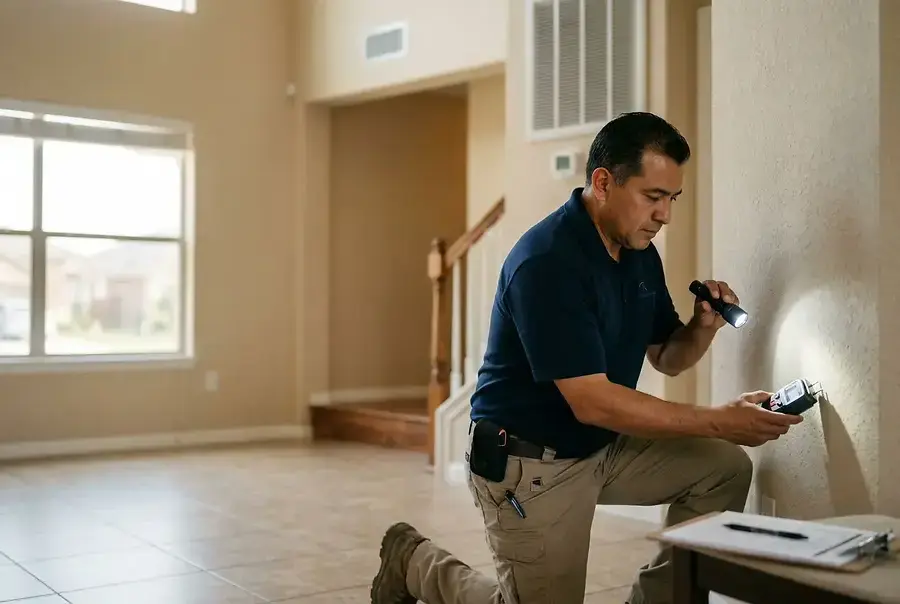
Understanding the Home Inspection Process in San Antonio
Purchasing a home is one of the most significant investments you'll make in your lifetime. In San Antonio's competitive real estate market, a professional home inspection is your safeguard against hidden defects and costly surprises. A thorough inspection typically takes 2-4 hours and involves a certified inspector examining the property's structural integrity, mechanical systems, and overall condition.
The inspection process begins with a visual examination of the property's exterior, including the roof, foundation, siding, and landscaping. Inspectors then move inside to evaluate the interior systems, appliances, and structural components. It's crucial to understand that a home inspection is not a pass-or-fail evaluation—rather, it's a detailed assessment that identifies existing conditions and potential issues.
San Antonio's unique climate and construction styles require inspectors to pay special attention to certain factors. The region's heat and humidity can accelerate wear on roofing materials and HVAC systems, while older homes may have outdated electrical systems or plumbing that needs updating.
Key Areas Inspectors Examine and Red Flags to Watch For
Structural Components
Inspectors carefully examine the foundation, walls, and overall structural integrity. Watch for signs of settling, cracks in the foundation, or water damage, which could indicate serious structural problems. In San Antonio, foundation issues are particularly important due to the region's clay soil composition.
Roofing and Exterior
The roof is one of the most expensive components to replace. Inspectors assess the roof's age, condition, and remaining lifespan. Red flags include:
- Missing or damaged shingles
- Signs of leaks or water stains on ceilings
- Improper ventilation
- Sagging roof lines
HVAC Systems
Given San Antonio's hot climate, air conditioning systems are critical. Inspectors evaluate whether the system is functioning properly and estimate its remaining useful life. An aging or malfunctioning AC unit can cost $5,000-$10,000 to replace, making this a key negotiation point.
Plumbing and Water Systems
Inspectors check for leaks, water pressure issues, and the condition of pipes. Older homes may have galvanized or polybutylene pipes that are prone to failure. They also examine:
- Water heater condition and age
- Drainage systems
- Presence of water damage or mold
- Septic system functionality (if applicable)
Electrical Systems
A thorough electrical inspection identifies outdated wiring, insufficient outlets, and safety hazards. Older homes may have aluminum wiring or insufficient grounding, which pose fire risks and should be addressed before purchase.
Interior Conditions
Inspectors examine walls, ceilings, floors, and windows for damage. They look for signs of pest infestation, mold, and moisture problems. Mold is a serious concern in San Antonio's humid climate and can indicate ventilation or water intrusion issues.
How Inspection Results Impact Your Offer and Negotiation Strategy
Once you receive the inspection report, you have several options for moving forward. Understanding your leverage is essential for successful negotiations.
Requesting Repairs
You can ask the seller to repair identified issues before closing. This is most effective for major problems like roof damage or HVAC failure. However, sellers in a strong market may refuse, so prioritize the most critical repairs.
Negotiating a Price Reduction
If the seller won't make repairs, you can request a credit toward closing costs or a price reduction. This allows you to hire contractors of your choice and potentially save money. Calculate repair costs carefully using local contractor estimates to support your negotiation position.
Requesting a Professional Assessment
For significant issues like foundation problems or roof damage, you may request that the seller provide a professional assessment or repair estimate. This creates transparency and helps both parties understand the true cost of repairs.
Walking Away
If inspection results reveal major structural issues or extensive repairs needed, you have the right to withdraw your offer during the inspection period. This is why the inspection contingency in your contract is so valuable—it protects your financial interests.
Next Steps: Using Inspection Reports to Make Confident Decisions
Review the Report Thoroughly
Don't just skim the summary. Read the detailed findings and understand the inspector's observations. Ask your real estate agent or inspector to clarify any technical terms or concerns you don't understand.
Prioritize Issues by Severity
Categorize findings into three groups: critical (safety or structural issues), important (systems nearing end of life), and minor (cosmetic or low-priority items). Focus your negotiations on critical and important items.
Get Second Opinions When Needed
For major issues like foundation problems, roof damage, or electrical concerns, hire a specialist for a detailed assessment. The cost of a specialist inspection ($300-$500) is minimal compared to potential repair costs.
Plan Your Budget
Use the inspection report to create a realistic post-purchase maintenance and repair budget. Even if the seller addresses major issues, you'll want to plan for routine maintenance and eventual system replacements.
Remember: A home inspection is an investment in peace of mind. It provides you with detailed knowledge about your potential purchase and empowers you to make informed decisions. In San Antonio's dynamic real estate market, this information is invaluable for protecting your investment and ensuring you're making a sound financial decision.
By understanding the inspection process, knowing what to look for, and using the results strategically, you'll be well-equipped to navigate your home purchase with confidence and avoid costly surprises down the road.


