The Complete Home Inspection Guide for Sheffield, OH Homebuyers
Discover what professional inspectors look for and how to protect your investment before closing on your new home.

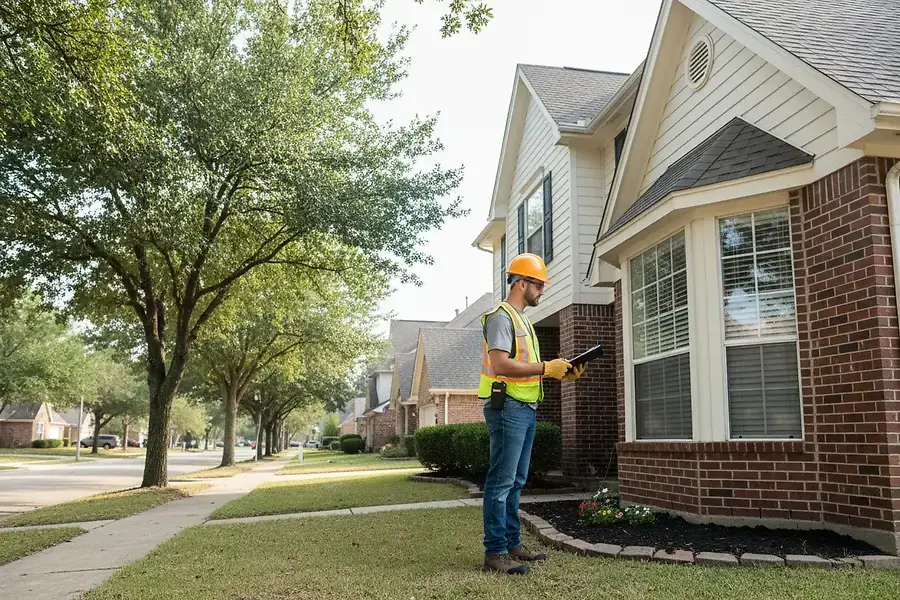
Why Home Inspections Matter in Sheffield's Real Estate Market
Purchasing a home is one of the most significant financial decisions you'll make in your lifetime. In Sheffield, Ohio's competitive real estate market, a professional home inspection serves as your safeguard against unexpected repairs and costly surprises. A thorough inspection provides you with detailed knowledge about your potential property's condition, allowing you to negotiate effectively and make informed decisions.
Many homebuyers underestimate the importance of inspections, viewing them as an optional expense. However, skipping this crucial step can lead to discovering major structural issues, electrical problems, or plumbing failures after you've already closed on the property. In Sheffield's climate, where homes face unique seasonal challenges, a professional inspection becomes even more valuable.
Key Areas Professional Inspectors Evaluate in Ohio Homes
Structural Components and Foundation
Professional inspectors begin by examining the foundation, walls, and overall structural integrity of the home. They look for cracks, settling, water damage, and signs of foundation movement. In Ohio homes, foundation issues are particularly common due to soil composition and freeze-thaw cycles. Inspectors will assess basement walls, crawl spaces, and attic structures to ensure everything meets current building standards.
Roofing and Exterior
The roof is your home's first line of defense against the elements. Inspectors evaluate:
- Shingle condition and remaining lifespan
- Flashing around chimneys and vents
- Gutters and downspout functionality
- Siding integrity and water penetration risks
- Windows and door seals
Given Ohio's variable weather patterns, a well-maintained roof is essential for protecting your investment.
Electrical Systems
Electrical safety is paramount. Inspectors examine the main electrical panel, wiring, outlets, and switches to ensure they meet current safety codes. They check for outdated systems, improper grounding, and potential fire hazards. Older Sheffield homes may have aluminum wiring or insufficient electrical capacity for modern appliances, which inspectors will identify.
Plumbing and Water Systems
A comprehensive plumbing inspection includes checking water pressure, drainage systems, water heater condition, and pipe materials. Inspectors test all fixtures and look for leaks, corrosion, and water quality issues. They'll also evaluate the septic system or municipal water connections, depending on your property's location.
HVAC Systems
Heating and cooling systems are critical in Ohio's climate. Inspectors assess furnace and air conditioning unit age, efficiency, and functionality. They check ductwork for leaks and proper insulation, ensuring your home maintains comfortable temperatures year-round.
Interior Components
Beyond major systems, inspectors examine:
- Insulation levels in attics and walls
- Drywall and interior walls for damage
- Flooring condition and stability
- Doors and windows operation
- Appliances included in the sale
Common Issues Found in Sheffield Properties and How to Address Them
Water Intrusion and Moisture Problems
One of the most frequently identified issues in Sheffield homes is water intrusion. Basements and crawl spaces often show signs of moisture, mold, or previous flooding. Address these issues immediately by improving drainage, sealing cracks, and installing sump pumps if necessary. Moisture problems can lead to structural damage and health concerns if left unattended.
Aging Roofs
Many Sheffield properties have roofs nearing the end of their lifespan. If your inspection reveals a roof older than 15-20 years, budget for replacement soon. This is a significant expense, but a failing roof can cause extensive interior damage, making it a priority repair.
Outdated Electrical Systems
Older homes may have knob-and-tube wiring or insufficient panel capacity. While not always immediately dangerous, these systems may not safely handle modern electrical demands. Plan for upgrades if your inspection identifies these issues, and consult with a licensed electrician about the scope and cost of necessary work.
HVAC System Age
Furnaces and air conditioning units typically last 15-20 years. If your inspection reveals aging systems, factor replacement costs into your offer or negotiate repairs with the seller. A new HVAC system is a substantial investment but essential for comfort and energy efficiency.
Plumbing Concerns
Galvanized pipes, which were common in older homes, can corrode and restrict water flow. Polybutylene pipes, used in some homes built in the 1980s-1990s, are prone to failure. If identified during inspection, plan for pipe replacement to avoid future leaks and water damage.
Pest and Pest Damage
Termites, carpenter ants, and other pests can cause significant structural damage. If your inspection reveals pest activity or damage, hire a pest control professional for treatment and assessment. This is particularly important in Ohio, where wood-destroying insects are common.
Using Inspection Findings to Make Confident Buying Decisions
Once you receive your inspection report, take time to review it thoroughly. Don't panic over minor issues—every home has some wear and tear. Instead, focus on major structural problems, safety hazards, and expensive repairs.
Use your inspection findings to:
- Negotiate repairs or credits with the seller for significant issues
- Request seller repairs for major systems before closing
- Adjust your offer based on repair costs you've identified
- Plan your budget for necessary maintenance and upgrades
- Obtain repair estimates from licensed contractors to support negotiations
Remember, a home inspection is an investment in your peace of mind. The cost of a professional inspection—typically $300-$500—is minimal compared to the potential savings from identifying major issues before purchase. In Sheffield's real estate market, informed buyers make better decisions and avoid costly surprises after closing.
By understanding what inspectors evaluate and addressing identified issues proactively, you'll protect your investment and ensure your new Sheffield home is safe, sound, and ready for your family.


