The Complete Home Inspection Guide for Shelbyville Buyers
Protect your investment with this comprehensive checklist before closing on your Shelbyville property.

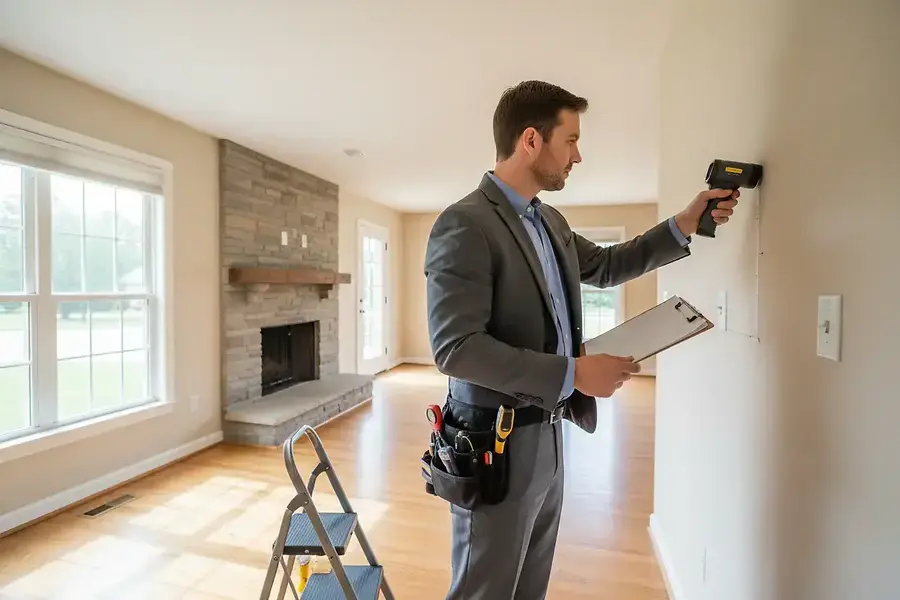
Why Home Inspections Matter in Shelbyville's Market
Buying a home is one of the most significant financial decisions you'll make in your lifetime. In Shelbyville's competitive real estate market, a thorough home inspection is your best defense against costly surprises after closing. A professional inspection provides an objective assessment of your potential property's condition, helping you make informed decisions and protect your investment.
Many first-time homebuyers underestimate the importance of inspections, viewing them as an unnecessary expense. However, discovering hidden structural damage, outdated electrical systems, or plumbing issues after purchase can cost tens of thousands of dollars. An inspection typically costs between $300-$500 but can save you from making a six-figure mistake.
In Shelbyville, where homes range from historic properties to newer constructions, inspections are particularly valuable. Older homes may have outdated systems, while newer builds might have construction defects. Either way, a qualified inspector will identify issues that affect your home's safety, functionality, and resale value.
Key Structural and System Components to Evaluate
Foundation and Structural Integrity
The foundation is the backbone of any home. Your inspector should examine the foundation for cracks, settling, water damage, and signs of structural movement. Look for horizontal cracks (more serious) versus vertical cracks (typically less concerning). In Shelbyville, where soil composition varies, foundation issues are not uncommon.
Roofing System
The roof protects everything beneath it, making its condition critical. Inspectors evaluate:
- Shingle condition and age (most roofs last 15-25 years)
- Flashing around chimneys and vents
- Gutters and downspouts
- Signs of leaks or water damage in the attic
A roof replacement can easily exceed $10,000, so understanding its remaining lifespan is essential.
Electrical Systems
Modern homes require reliable electrical systems. Inspectors check for:
- Adequate circuit breaker capacity
- Proper grounding and bonding
- Outdated wiring (knob-and-tube or aluminum)
- GFCI outlets in bathrooms and kitchens
- Proper panel labeling
Outdated electrical systems may need upgrading, which is a significant expense.
Plumbing and Water Systems
Water-related issues are among the most costly home problems. Inspectors examine:
- Water pressure and flow
- Pipe material and condition (galvanized, copper, PVC)
- Signs of leaks or water damage
- Water heater age and functionality
- Septic system condition (if applicable)
HVAC Systems
Heating, ventilation, and air conditioning systems are vital for comfort and indoor air quality. Inspectors assess the age, maintenance history, and operational efficiency of furnaces, air conditioners, and ductwork.
Common Issues Found in Shelbyville Homes and Red Flags
Water Intrusion and Moisture Problems
Shelbyville's climate can lead to moisture issues. Watch for:
- Basement or crawlspace water stains
- Mold or mildew growth
- Efflorescence (white mineral deposits on concrete)
- Poor grading around the foundation
Moisture problems are serious and can lead to structural damage, mold growth, and health concerns.
Outdated Systems
Older Shelbyville homes may have:
- Knob-and-tube wiring (fire hazard)
- Galvanized plumbing (prone to corrosion)
- Asbestos insulation or materials
- Outdated HVAC systems with poor efficiency
Deferred Maintenance
Some sellers neglect routine upkeep. Red flags include peeling paint, missing roof shingles, deteriorated siding, and overgrown landscaping. While cosmetic issues are less critical, they often indicate deeper problems with maintenance.
Pest Damage
Termites, carpenter ants, and rodents can cause significant structural damage. Inspectors look for evidence of pest activity, especially in basements, crawlspaces, and around wooden structural elements.
HVAC and Electrical Concerns
Aging furnaces, air conditioners, and electrical panels may need replacement soon. Understanding the age and condition helps you budget for future upgrades.
Using Inspection Results to Negotiate and Secure Your Purchase
Once you receive the inspection report, you have several options:
Request Repairs
Ask the seller to fix significant issues before closing. This is most effective for major problems like roof damage or electrical hazards.
Negotiate Credits
If repairs are extensive, request a credit toward closing costs or a price reduction. This allows you to hire contractors of your choice.
Walk Away
If the inspection reveals deal-breaking issues, you can withdraw from the purchase (if you included an inspection contingency in your offer).
Plan for Future Improvements
For minor issues, plan and budget for repairs after closing. This gives you flexibility and control over the work.
Pro tip: Always include an inspection contingency in your offer. This protects you if major issues are discovered and gives you leverage in negotiations.
Conclusion
A comprehensive home inspection is an investment in your peace of mind and financial security. By understanding what inspectors evaluate and knowing what red flags to watch for, you'll be better equipped to make informed decisions about your Shelbyville home purchase.
Don't skip the inspection to save money or speed up the closing process. The insights gained from a professional inspection can save you thousands of dollars and help you avoid costly mistakes. Work with a qualified, licensed home inspector who knows Shelbyville's unique housing stock, and use the results to negotiate confidently and secure the best possible deal on your new home.


