The Complete Home Inspection Guide for South Metro Atlanta Buyers
Protect your investment with a comprehensive guide to inspections before closing.

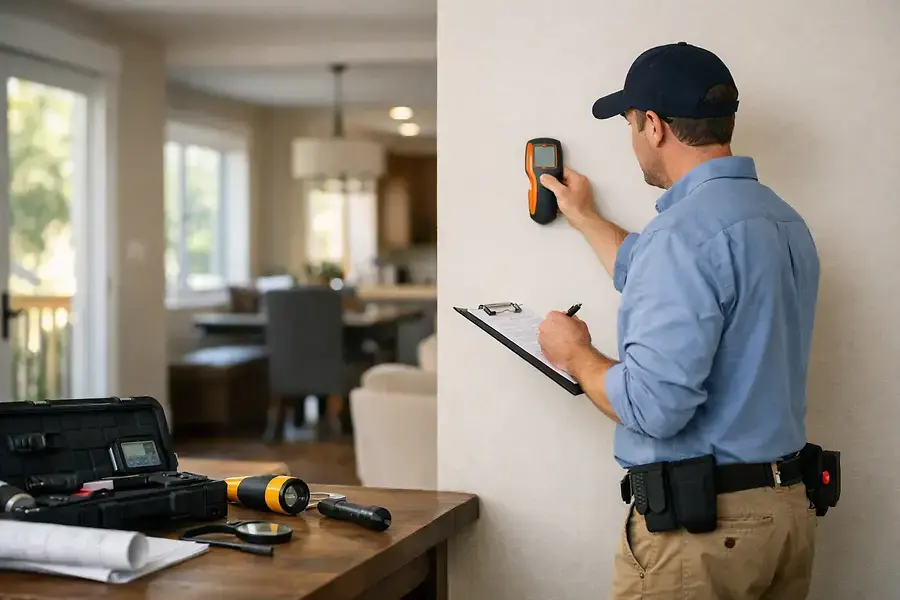
Understanding the Home Inspection Process in South Metro Atlanta
A home inspection is one of the most critical steps in the home-buying process. For South Metro Atlanta buyers, this professional evaluation provides a detailed assessment of a property's condition before you commit to the purchase. The inspection typically takes 2-4 hours and covers all major systems and components of the home.
When you hire a licensed home inspector in the Atlanta area, they will conduct a thorough walkthrough of the property, examining everything from the foundation to the roof. This inspection is not a pass-or-fail evaluation—rather, it's a comprehensive report that identifies the current condition of the home and any potential issues that may require attention or repair.
Why Home Inspections Matter in Atlanta's Real Estate Market
South Metro Atlanta's diverse housing stock ranges from historic homes to modern constructions, each with unique characteristics and potential concerns. A professional inspection helps you understand what you're buying and provides leverage in negotiations. Many buyers use inspection findings to request repairs, credits, or price adjustments before closing.
The inspection contingency period is typically 7-10 days, giving you time to review the report and decide on your next steps. This window is crucial for protecting your interests as a buyer.
Key Areas Inspectors Examine in Atlanta-Area Properties
Structural Components
Inspectors evaluate the foundation, framing, and overall structural integrity of the home. In South Metro Atlanta, where soil conditions and weather patterns can affect foundations, this examination is particularly important. They look for signs of settling, cracks, or water damage that could indicate serious problems.
Roofing and Exterior
The roof is one of your home's most important protective features. Inspectors assess:
- Shingle condition and remaining lifespan
- Flashing and gutters
- Signs of leaks or water damage
- Exterior walls and siding condition
- Windows and doors functionality
Plumbing Systems
A thorough plumbing inspection includes checking water pressure, drain functionality, and the condition of pipes. Inspectors test all fixtures and look for signs of leaks, corrosion, or outdated materials that may need replacement.
Electrical Systems
Electrical safety is paramount. Inspectors examine the panel, wiring, outlets, and switches to ensure everything meets current safety standards. They identify any potential hazards or outdated systems that may need upgrading.
HVAC Systems
Heating, ventilation, and air conditioning systems are essential in Atlanta's climate. Inspectors test functionality, assess age and condition, and note any maintenance needs. They also evaluate ductwork and insulation.
Interior Components
Beyond major systems, inspectors examine:
- Walls, ceilings, and floors
- Doors and windows
- Insulation and ventilation
- Appliances (if included in the sale)
- Signs of pest damage or mold
What to Do When Issues Are Discovered
Review the Inspection Report Carefully
Once you receive the inspection report, take time to understand all findings. Reports typically categorize issues by severity—from minor cosmetic concerns to major structural problems. Don't panic if issues are found; most homes have some items that need attention.
Prioritize and Assess
Work with your real estate agent to prioritize issues by urgency and cost. Some items are safety concerns that must be addressed, while others are maintenance issues that can be handled over time. Consider:
- Safety hazards requiring immediate attention
- Systems nearing end of life
- Cosmetic or minor repairs
- Estimated repair costs
Negotiate with the Seller
You have several options when issues are discovered:
- Request repairs: Ask the seller to fix identified problems before closing
- Request credits: Negotiate a credit toward closing costs to handle repairs yourself
- Request a price reduction: Lower the purchase price to account for needed repairs
- Walk away: If major issues exist, you may choose to terminate the contract
The key is understanding your options and negotiating from a position of knowledge. Your inspection report is a powerful tool in these discussions.
Get Professional Estimates
For significant issues, obtain written estimates from licensed contractors. This gives you concrete numbers for negotiations and helps you understand the true cost of repairs. Never rely solely on the inspector's estimates.
Moving Forward with Confidence After Your Inspection
Schedule a Final Walk-Through
Before closing, conduct a final walk-through to verify that any agreed-upon repairs have been completed satisfactorily. Confirm that the home is in the condition you expected and that all negotiated items have been addressed.
Keep Documentation
Maintain copies of your inspection report, any repair estimates, and correspondence with the seller. These documents are valuable for future reference and warranty claims. If repairs were made, request receipts and warranties from contractors.
Plan for Future Maintenance
Use the inspection report as a maintenance guide for your new home. Note the age of major systems and plan for future replacements. Many items identified in the inspection simply need monitoring rather than immediate action.
Consider a Home Warranty
A home warranty can provide peace of mind by covering unexpected repairs to major systems. This is particularly valuable if the inspection revealed aging systems that may fail soon.
Remember: A home inspection is an investment in your peace of mind and financial security. It's not about finding reasons to back out of a deal—it's about making an informed decision about one of the largest purchases you'll ever make.
By understanding the inspection process, knowing what to expect, and responding strategically to findings, South Metro Atlanta buyers can protect their investments and move forward with confidence. Take the time to work with qualified professionals, ask questions, and make decisions based on complete information.