The Complete Home Inspection Guide for Southbury, CT Homebuyers
Learn the critical inspection checkpoints that protect your investment and reveal hidden issues before you commit.

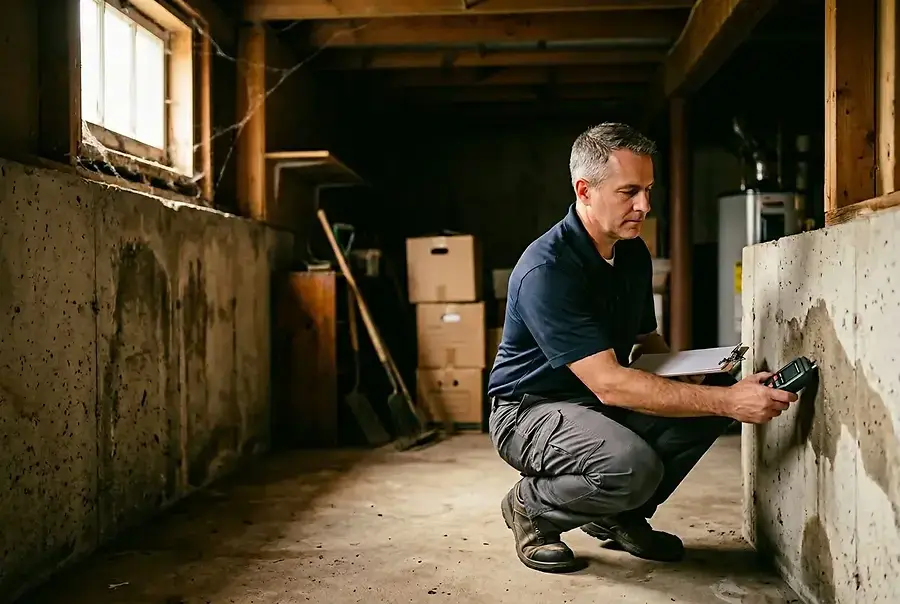
Why Home Inspections Matter in Southbury's Real Estate Market
Purchasing a home is one of the most significant financial decisions you'll make in your lifetime. In Southbury, Connecticut's competitive real estate market, a professional home inspection serves as your critical safeguard against costly surprises. A thorough inspection can reveal structural issues, mechanical failures, and safety hazards that could cost thousands to repair after closing.
Many homebuyers underestimate the value of a comprehensive inspection, viewing it as an optional expense. However, in Connecticut's climate with its freeze-thaw cycles, humidity, and seasonal weather extremes, homes are particularly vulnerable to specific types of damage. An experienced inspector familiar with Southbury properties can identify region-specific problems before they become your financial burden.
Key Areas Inspectors Examine and Common Issues Found in Connecticut Homes
Structural Components and Foundation
Inspectors begin by evaluating the home's foundation, which is critical in Connecticut where soil conditions and moisture can cause settling and cracking. They look for:
- Cracks in the foundation walls or basement floor
- Water intrusion and dampness issues
- Signs of structural settling or movement
- Proper grading and drainage around the foundation
Common Connecticut Issue: Basement moisture and water infiltration are prevalent in older Southbury homes due to heavy seasonal rainfall and groundwater pressure.
Roofing and Exterior
The roof is your home's first line of defense against Connecticut's harsh weather. Inspectors examine:
- Roof age, condition, and remaining lifespan
- Shingle deterioration, curling, or missing pieces
- Flashing around chimneys, vents, and skylights
- Gutters, downspouts, and proper water drainage
- Siding condition and potential rot or damage
Common Connecticut Issue: Ice dams form frequently during Connecticut winters, causing water backup under shingles and into attics. Inspectors assess ventilation and insulation to identify ice dam risk.
Mechanical Systems
The heating, cooling, and plumbing systems are vital to your home's functionality. Inspectors test:
- Furnace or boiler age and operational efficiency
- Air conditioning system performance
- Water heater condition and capacity
- Plumbing for leaks, corrosion, and proper drainage
- Electrical panel safety and capacity
Common Connecticut Issue: Many older Southbury homes have outdated heating systems or galvanized pipes that corrode over time, requiring replacement.
Interior and Safety Features
Inspectors evaluate interior conditions including:
- Windows and doors for proper operation and sealing
- Insulation levels in attic and walls
- Presence of hazardous materials like asbestos or lead paint
- Smoke and carbon monoxide detectors
- Stairway safety and handrails
Common Connecticut Issue: Homes built before 1978 often contain lead paint, which requires proper disclosure and may necessitate professional remediation.
How to Prepare for Your Inspection and Understand the Report
Before the Inspection
Preparation ensures you get the most value from your inspection:
- Hire a certified inspector: Choose someone licensed in Connecticut with experience in the Southbury area
- Schedule strategically: Arrange the inspection after your offer is accepted but before the final walkthrough
- Attend the inspection: Being present allows you to ask questions and see issues firsthand
- Request a detailed report: Ensure the inspector provides written documentation with photos and recommendations
Understanding Your Inspection Report
A comprehensive inspection report typically includes three categories of findings:
Critical Issues: Safety hazards or major structural problems requiring immediate attention, such as electrical hazards, roof leaks, or foundation damage.
Significant Repairs: Items that will likely need replacement within a few years, such as an aging furnace or water heater nearing the end of its lifespan.
Minor Maintenance: Routine upkeep items like caulking, painting, or filter replacement that are normal homeowner responsibilities.
Don't panic if your report lists numerous items. Most homes have some issues. The key is understanding which problems are deal-breakers and which are manageable.
Using Inspection Findings to Negotiate
Armed with your inspection report, you have leverage in negotiations:
- Request repairs for critical safety issues before closing
- Ask for credits toward repairs you'll handle yourself
- Negotiate a price reduction reflecting repair costs
- Request the seller provide warranties or guarantees for recent work
Pro Tip: Obtain repair estimates from licensed contractors for major issues. This gives you concrete numbers for negotiation discussions with the seller.
Using Inspection Findings to Negotiate and Finalize Your Purchase
The inspection report is your roadmap for the final stages of your purchase. After receiving the report, you typically have a specified period to request repairs or renegotiate terms. In Southbury's market, sellers may be more willing to negotiate on older homes with known issues than on newer properties.
Document everything in writing through your real estate agent. Request that the seller provide proof of repairs completed by licensed professionals. For items you'll address after closing, get written confirmation of the price reduction or credit applied to your closing costs.
Finally, keep your inspection report for future reference. It serves as a baseline for your home's condition and helps you prioritize maintenance and repairs as a new homeowner. Understanding your home's systems and vulnerabilities empowers you to protect your investment for years to come.
A thorough home inspection transforms you from a passive buyer into an informed decision-maker. In Southbury's real estate market, this knowledge is your greatest asset in making a confident, protected purchase.


