The Complete Home Inspection Guide for Spring, TX Homebuyers
Learn what professional inspectors look for and how to protect your investment before closing on your Spring home.

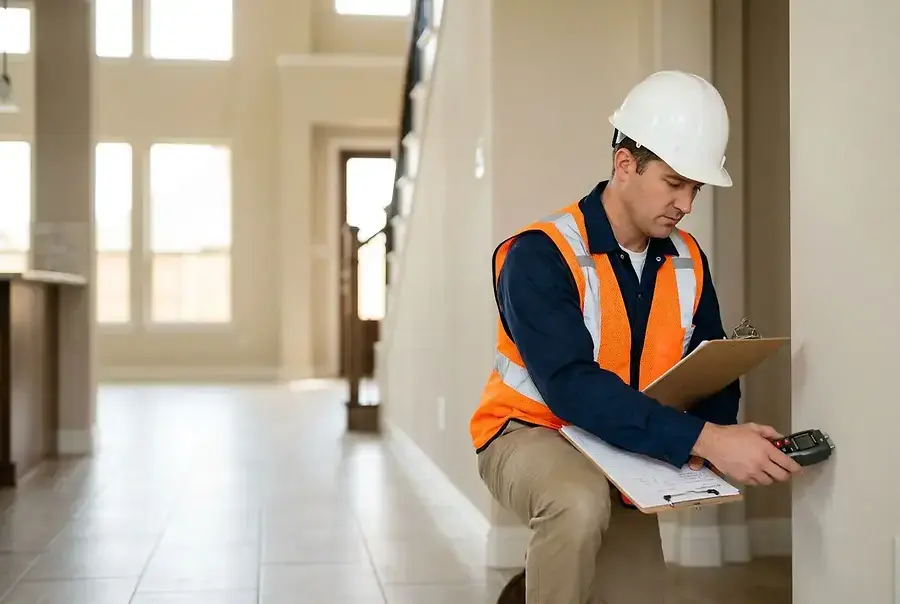
Why Home Inspections Are Critical in Spring
Purchasing a home is one of the most significant investments you'll make in your lifetime. In Spring, Texas, where the real estate market moves quickly, a professional home inspection is your best defense against costly surprises after closing. Many first-time homebuyers underestimate the importance of this critical step, viewing it as just another checkbox in the buying process. However, a thorough inspection can reveal hidden issues that could cost thousands of dollars to repair.
A home inspection provides an objective, third-party evaluation of your potential property's condition. Unlike the seller's disclosure, which may be incomplete or biased, a professional inspector examines every accessible component of the home. This detailed assessment gives you the information needed to make an informed decision and negotiate repairs or credits before you sign the final papers.
Why Spring homebuyers need inspections:
- Identify structural problems that aren't visible to the untrained eye
- Uncover safety hazards that could affect your family
- Estimate the remaining lifespan of major systems
- Provide leverage for repair negotiations
- Protect your investment and future resale value
Essential Systems and Structures Inspectors Evaluate
Roof and Exterior
Your roof is your home's first line of defense against the elements. Inspectors examine shingles, flashing, gutters, and downspouts for signs of wear, damage, or improper installation. In the Spring area, where weather can be unpredictable, a compromised roof can lead to water damage, mold, and structural issues. They'll also check the exterior walls, foundation, and grading to ensure proper water drainage away from the home.
Plumbing System
A professional inspector tests all water fixtures, checks for leaks, and evaluates water pressure throughout the home. They'll inspect visible pipes, the water heater, and the main shut-off valve. Hidden plumbing issues can be expensive to repair, especially if they require excavation or wall removal. Inspectors look for signs of corrosion, improper installation, and potential code violations.
Electrical System
The electrical system is critical for both safety and functionality. Inspectors examine the main panel, circuit breakers, outlets, and switches. They verify that the system is properly grounded and that the home has adequate capacity for modern electrical demands. Outdated or faulty wiring poses serious fire hazards and should be addressed before you move in.
HVAC System
Heating, ventilation, and air conditioning systems are essential for comfort and indoor air quality. Inspectors test both heating and cooling functions, check ductwork for leaks, and evaluate the age and condition of the equipment. Understanding the remaining lifespan of your HVAC system helps you budget for future replacements.
Foundation and Structural Components
The foundation is literally what holds your home together. Inspectors look for cracks, settling, water intrusion, and other signs of structural problems. They examine load-bearing walls, support beams, and floor joists. Foundation issues can be extremely costly, making this one of the most important areas of inspection.
Interior Components
Beyond major systems, inspectors evaluate:
- Insulation and ventilation in attics and crawl spaces
- Windows and doors for proper operation and sealing
- Flooring for damage, settling, or water issues
- Walls and ceilings for cracks, stains, or water damage
- Appliances included in the sale
- Fireplaces and chimneys
Reviewing Your Inspection Report and Negotiating Repairs
Understanding the Report
Your inspection report will be detailed and comprehensive. It typically categorizes findings into three levels: items that need immediate attention, items that should be monitored, and minor observations. Don't be alarmed by a lengthy report—most homes have some issues. The key is understanding which problems are serious and which are routine maintenance items.
Take time to review the report carefully. Ask your inspector to explain anything you don't understand. Request clarification on severity, estimated repair costs, and whether issues pose safety risks. A good inspector will be available to answer questions and provide context for their findings.
Prioritizing Issues
Not all inspection findings require negotiation. Focus on:
- Safety hazards: Electrical problems, structural issues, or code violations
- Major system failures: Non-functional HVAC, plumbing, or electrical systems
- Costly repairs: Roof replacement, foundation work, or water damage remediation
- Items affecting value: Problems that significantly impact the home's marketability
Negotiation Strategies
Once you've identified significant issues, you have several options. You can request that the seller make repairs before closing, ask for a credit to handle repairs yourself, or request a price reduction. The strongest negotiating position comes from having detailed inspection findings and repair estimates.
Be reasonable in your requests. Sellers are more likely to negotiate on major issues than minor cosmetic concerns. If you're asking for repairs, provide written estimates from licensed contractors. This demonstrates that your requests are based on actual costs, not inflated figures.
Pro Tip: Always hire a licensed, certified home inspector with experience in the Spring area. They'll understand local building codes, common issues in the region, and what to expect in homes of similar age and construction.
Moving Forward with Confidence in Your Purchase
A thorough home inspection is an investment in peace of mind. By understanding what inspectors evaluate and how to use the inspection report, you're taking control of your home-buying experience. Don't skip this step or rush through it—the few hundred dollars spent on an inspection can save you thousands in unexpected repairs.
Remember, no home is perfect. The goal of an inspection isn't to find a flawless property but to ensure you understand exactly what you're buying. Armed with this knowledge, you can negotiate confidently, plan for future maintenance, and move forward with your Spring home purchase knowing you've made an informed decision.
Your new home is waiting. Make sure you know what you're getting into before you sign on the dotted line.


