The Complete Home Inspection Guide for Tampa Bay Real Estate Buyers
Essential steps to protect your investment and avoid costly surprises before closing on your new home.

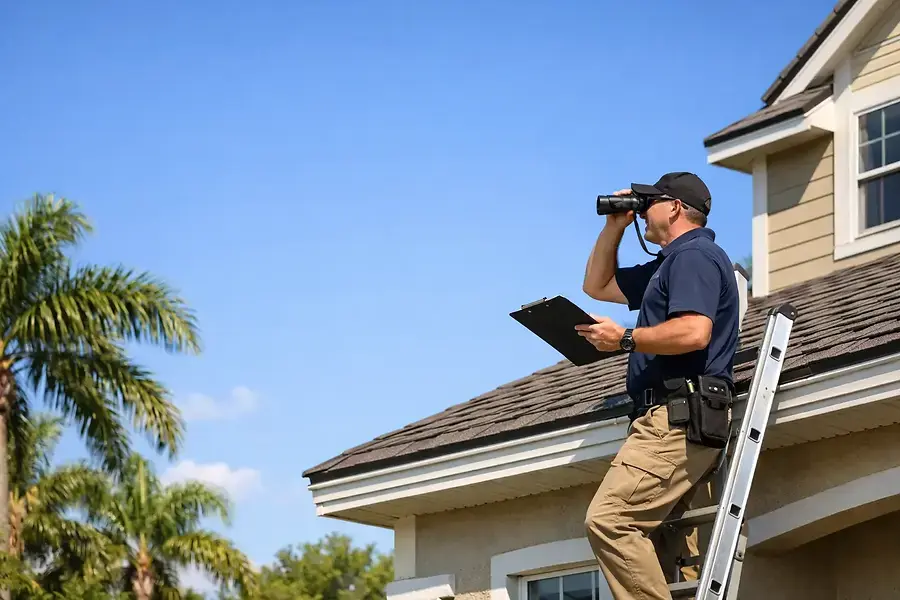
Why Professional Home Inspections Matter in Tampa Bay
Purchasing a home is one of the most significant financial decisions you'll make in your lifetime. In the Tampa Bay area, where the climate and environmental factors present unique challenges, a professional home inspection is not just recommended—it's essential. A thorough inspection can reveal hidden defects that could cost thousands of dollars to repair after you've already closed on the property.
A qualified home inspector will provide you with a detailed report of the property's condition, giving you the information needed to negotiate repairs, request credits, or make an informed decision about whether to proceed with the purchase. This protective step can save you from inheriting someone else's problems and help you understand the true value of your investment.
Critical Systems to Evaluate: Roof, Plumbing, Electrical, and Foundation
Roof Inspection
Your roof is your home's first line of defense against the elements. In Tampa Bay, where hurricanes and heavy rainfall are common concerns, a thorough roof inspection is critical. Inspectors will examine:
- Shingle condition and age
- Flashing and sealing around vents and chimneys
- Signs of water damage or leaks
- Overall structural integrity
- Compliance with current building codes
A roof that's nearing the end of its lifespan may need replacement soon, which is an expensive undertaking you'll want to factor into your offer.
Plumbing Systems
Florida's unique soil composition and water conditions can affect plumbing systems differently than in other regions. Your inspector will check:
- Water pressure and flow rates
- Pipe materials and condition (especially in older homes)
- Presence of corrosion or leaks
- Proper drainage and sewer function
- Water heater age and condition
Corroded pipes or outdated plumbing systems can lead to costly replacements, so understanding the condition of these systems is vital.
Electrical Systems
A safe electrical system is paramount for your family's protection. Inspectors will evaluate:
- Panel capacity and condition
- Grounding and bonding
- Outlet and switch functionality
- Presence of outdated wiring (such as aluminum wiring)
- GFCI protection in wet areas
Electrical issues can pose serious safety hazards and may require upgrades to meet current code requirements.
Foundation and Structural Integrity
The foundation is literally what your home stands on. In Tampa Bay, where soil conditions and water tables vary, foundation issues can be particularly concerning. Inspectors will look for:
- Cracks in the foundation or walls
- Signs of settling or shifting
- Water intrusion or moisture damage
- Proper drainage around the foundation
- Pier and beam condition (in homes built on pilings)
Understanding Common Issues in Florida Properties: Moisture, Mold, and Hurricane Readiness
Moisture and Mold Concerns
Florida's humid subtropical climate creates an ideal environment for moisture accumulation and mold growth. These issues are among the most common problems found in Tampa Bay homes. Mold can pose serious health risks and is expensive to remediate, making it crucial to identify during your inspection.
Your inspector will check for:
- Visible mold or mildew in attics, crawl spaces, and bathrooms
- Water stains indicating past or present leaks
- Proper ventilation in bathrooms and kitchens
- Adequate drainage and grading around the property
- Condition of vapor barriers and insulation
Early detection of moisture problems can prevent extensive damage and health concerns down the road.
Hurricane Readiness and Wind Resistance
Living in Tampa Bay means preparing for hurricane season. A comprehensive inspection should assess your home's ability to withstand severe weather:
- Roof attachment and reinforcement
- Window and door strength and sealing
- Presence of hurricane shutters or impact-resistant windows
- Structural bracing and reinforcement
- Proper installation of straps and ties
Homes with proper hurricane reinforcements may have lower insurance premiums and provide greater peace of mind during storm season.
Taking Action After Your Inspection Report
Reviewing the Report
Once you receive your inspection report, take time to review it carefully. Don't be overwhelmed by the length or technical language—ask your inspector to explain any findings you don't understand. They can clarify which issues are minor cosmetic concerns and which require immediate attention.
Prioritizing Issues
Not all inspection findings require action. Categorize issues into three groups:
- Critical Issues: Safety hazards or major structural problems that must be addressed
- Important Issues: Systems nearing end of life or requiring significant repairs
- Minor Issues: Cosmetic concerns or routine maintenance items
Negotiating with the Seller
Armed with your inspection report, you have leverage in negotiations. You can:
- Request the seller make repairs before closing
- Ask for a credit toward repairs you'll handle yourself
- Negotiate a lower purchase price to account for needed work
- Request a warranty or guarantee on completed repairs
Be reasonable in your requests—sellers are more likely to cooperate if your demands are based on legitimate inspection findings rather than minor cosmetic issues.
Planning for Future Maintenance
Your inspection report serves as a valuable maintenance roadmap. Use it to plan future repairs and budget for upcoming expenses. Items like roof replacement or HVAC maintenance can be anticipated and planned for, rather than becoming emergency expenses.
A professional home inspection is an investment in your peace of mind and financial security. The cost of an inspection is minimal compared to the potential savings from identifying problems before you purchase.
Final Thoughts
Buying a home in Tampa Bay is an exciting milestone, but it's important to approach the process with careful consideration. A thorough professional home inspection is your best tool for making an informed decision and protecting your investment. By understanding what to look for, asking the right questions, and taking action on the findings, you can move forward with confidence in your new home purchase.