The Complete Home Inspection Guide for Wakefield, MA Homebuyers
Learn what professional inspectors look for and how to protect your investment in Massachusetts residential properties.

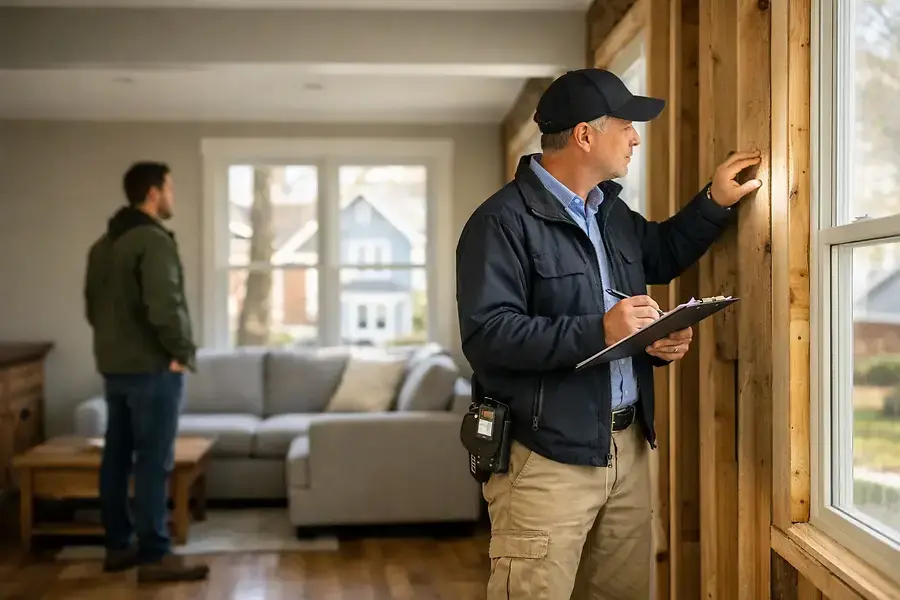
Understanding the Home Inspection Process in Wakefield
Purchasing a home is one of the most significant investments you'll make in your lifetime. In Wakefield, Massachusetts, a professional home inspection is a critical step in the buying process that can save you thousands of dollars in unexpected repairs. A typical home inspection takes between two to four hours and involves a thorough examination of the property's structural components, systems, and overall condition.
During a home inspection, a certified inspector will evaluate the property both inside and outside, documenting their findings in a detailed report. This report becomes your roadmap for understanding the true condition of the home you're considering. In Massachusetts, while home inspections are not legally required, they are highly recommended and often requested by mortgage lenders as part of the financing process.
What to Expect During Your Inspection
When you schedule a home inspection in Wakefield, you have the right to be present during the process. Many homebuyers find it valuable to walk through the inspection with the inspector, asking questions and learning about the property's systems. The inspector will use specialized tools and equipment to assess everything from the foundation to the roof, providing you with an objective evaluation of the home's condition.
Critical Areas Inspectors Evaluate in Massachusetts Homes
Structural Components and Foundation
The foundation is the backbone of any home. Inspectors carefully examine the foundation for cracks, settling, water damage, and signs of structural movement. In Massachusetts, where freeze-thaw cycles are common, foundation issues are particularly important to identify early. A solid foundation is essential for the long-term stability and value of your Wakefield property.
Roofing and Exterior Systems
Your roof protects everything beneath it, making its condition paramount. Inspectors evaluate:
- Roof age and remaining lifespan
- Shingle condition and potential leaks
- Flashing around chimneys and vents
- Gutters and downspout functionality
- Exterior siding and trim condition
Massachusetts weather can be harsh, so a well-maintained roof is crucial for protecting your investment.
Plumbing and Water Systems
Inspectors test water pressure, check for leaks, and evaluate the condition of pipes throughout the home. They'll also assess the water heater's age and functionality. In older Wakefield homes, outdated plumbing systems may need upgrading, which is important information for your purchase decision.
Electrical Systems
A thorough electrical inspection ensures your home meets current safety standards. Inspectors check the main panel, circuit breakers, outlets, and wiring. They'll identify any outdated systems like knob-and-tube wiring that may pose safety risks or insurance concerns.
HVAC and Climate Control
Your heating and cooling systems are essential for comfort and energy efficiency. Inspectors evaluate furnaces, air conditioning units, and ventilation systems. In Massachusetts, a reliable heating system is particularly important given our cold winters.
Interior Components
Inspectors also examine:
- Windows and doors for proper operation and sealing
- Insulation levels in attics and walls
- Basement or crawl space conditions
- Appliances included in the sale
- Interior walls and ceilings for water damage or mold
Red Flags to Watch For and How to Negotiate Repairs
Common Issues in Wakefield Homes
Water Damage and Mold: Massachusetts' humid climate makes water intrusion and mold growth common concerns. Any signs of water staining, soft wood, or musty odors should be investigated further.
Outdated Systems: Older homes may have outdated electrical, plumbing, or heating systems that require modernization. While not always deal-breakers, these upgrades should be factored into your budget.
Roof Age: If the roof is nearing the end of its lifespan, budget for replacement within the next few years. A new roof can cost $10,000 to $25,000 depending on size and materials.
Foundation Issues: Cracks, bowing walls, or signs of settling require professional evaluation. Some issues are cosmetic, while others indicate serious structural problems.
Negotiating Repairs and Credits
Once you receive the inspection report, you have several options. You can request that the seller make repairs before closing, ask for a credit toward repairs you'll handle yourself, or renegotiate the purchase price. In Massachusetts, you typically have a specific timeframe to request repairs or credits, so act promptly after receiving the inspection report.
Be strategic in your negotiations. Focus on major issues that affect safety, functionality, or long-term value. Minor cosmetic issues are typically the buyer's responsibility after purchase.
Protecting Your Purchase: Next Steps After Inspection
Review the Inspection Report Thoroughly
Take time to carefully read the entire inspection report. Don't just focus on the negatives—understanding what's in good condition is equally important. If anything is unclear, contact your inspector for clarification.
Get Second Opinions When Needed
For significant issues identified in the inspection, consider hiring specialists. A structural engineer can evaluate foundation concerns, a roofer can assess roof condition, and a plumber can evaluate plumbing systems. These specialized inspections provide detailed information for negotiation.
Budget for Future Repairs
Even in homes with clean inspections, maintenance is inevitable. Set aside funds for future repairs and regular maintenance. Understanding the age and condition of major systems helps you plan for replacements.
Maintain Your Home
A well-maintained home protects your investment and prevents small issues from becoming major problems.
After closing, follow the inspector's recommendations for maintenance. Regular upkeep of your roof, HVAC system, plumbing, and foundation will extend their lifespan and keep your Wakefield home in excellent condition.
Keep Documentation
Maintain copies of your inspection report, any repair estimates, and documentation of work completed. This information is valuable for future sales and helps you track your home's maintenance history.
By understanding the home inspection process and taking these steps seriously, you're protecting one of your most valuable assets. A thorough inspection provides peace of mind and empowers you to make informed decisions about your Wakefield home purchase.