The Complete Home Inspection Guide for Wareham Property Buyers
Protect your investment with our comprehensive guide to identifying potential issues before closing on your Wareham property.

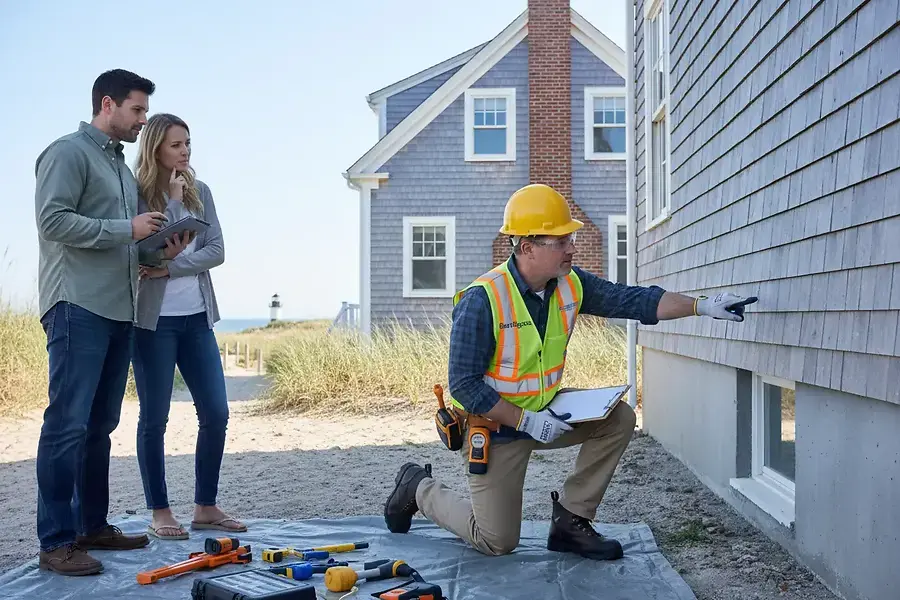
Introduction: Why Home Inspections Matter in Wareham's Market
Purchasing a home is one of the most significant financial decisions you'll make in your lifetime. In Wareham's competitive real estate market, where properties can range from charming historic homes to modern waterfront estates, a thorough home inspection is not just recommended—it's essential. A professional home inspection provides you with an objective assessment of your potential property's condition, helping you avoid costly surprises after closing.
Many buyers in Wareham overlook the importance of inspections, particularly in a fast-moving market where properties sell quickly. However, skipping this critical step could cost you thousands in unexpected repairs and renovations. A comprehensive inspection gives you the knowledge and leverage to negotiate repairs, request credits, or make an informed decision about whether to proceed with your purchase.
Key Areas to Inspect: Foundation, Systems, and Structural Elements
Foundation and Structural Integrity
The foundation is the backbone of any home. In Wareham, where properties may sit on sandy soil or near water, foundation issues are particularly common. During your inspection, look for:
- Cracks in the foundation walls or basement floors
- Signs of water intrusion or moisture damage
- Uneven settling or sloping floors
- Deterioration of concrete or masonry
Pro tip: Small hairline cracks are often normal, but larger cracks or those that are actively growing warrant further investigation by a structural engineer.
Roof and Exterior Elements
Wareham's coastal climate means roofs take a beating from salt air, wind, and moisture. Your inspector should evaluate:
- Roof age and remaining lifespan
- Shingle condition and signs of wear
- Flashing around chimneys and vents
- Gutters and downspout functionality
- Exterior siding and caulking integrity
A roof replacement can easily exceed $10,000, so understanding its condition is crucial for your budget planning.
Plumbing and Water Systems
Water-related issues are among the most expensive to repair. Your inspection should cover:
- Water pressure and flow rates
- Pipe material and condition (galvanized, copper, PEX)
- Signs of leaks or water damage
- Septic system functionality (if applicable)
- Water heater age and condition
Older Wareham homes may have outdated plumbing systems that require updating. Understanding these needs helps you plan for future investments.
Electrical Systems
Electrical safety is non-negotiable. Your inspector will examine:
- Panel capacity and condition
- Grounding and bonding
- Outlet and switch functionality
- Presence of GFCI outlets in wet areas
- Outdated wiring (knob-and-tube, aluminum)
Homes with outdated electrical systems may require significant upgrades to meet current safety standards.
HVAC and Climate Control
Heating and cooling systems are essential for comfort and can be expensive to replace. Inspectors evaluate:
- Furnace or heat pump age and efficiency
- Air conditioning unit condition
- Ductwork integrity and insulation
- Thermostat functionality
Red Flags and Deal-Breakers to Watch For
Mold and Moisture Issues
Wareham's humid climate and proximity to water make mold a serious concern. Active mold growth is a major red flag that indicates moisture problems requiring professional remediation. Don't ignore musty odors or visible discoloration—these warrant further investigation.
Pest Infestations
Termites, carpenter ants, and rodents can cause structural damage costing tens of thousands to repair. Your inspector should look for:
- Evidence of termite activity or damage
- Carpenter ant galleries in wood
- Rodent droppings or entry points
Asbestos and Lead Paint
Homes built before the 1980s may contain asbestos in insulation, floor tiles, or roofing materials. Homes built before 1978 likely have lead-based paint. While not automatically deal-breakers, these require professional assessment and proper handling.
Major System Failures
If your inspection reveals that the roof, foundation, electrical panel, or plumbing system requires immediate replacement, you're looking at substantial costs. Use this information to renegotiate your offer or request credits from the seller.
Poor Ventilation and Insulation
Inadequate ventilation in attics or crawl spaces can lead to moisture problems and energy inefficiency. Insufficient insulation means higher heating and cooling costs—a long-term financial burden.
Conclusion: Making Informed Decisions with Inspection Results
A comprehensive home inspection is your opportunity to make an informed decision about one of the largest purchases of your life. In Wareham's real estate market, where property values are significant, the cost of a professional inspection (typically $300-$500) is a worthwhile investment that can save you thousands.
Once you receive your inspection report, review it carefully with your real estate agent. Prioritize major issues over minor cosmetic concerns. Use the findings to negotiate repairs, request seller credits, or make an informed decision about proceeding with your purchase.
Remember, no home is perfect. The goal of an inspection isn't to find reasons to walk away, but to understand what you're buying and plan accordingly. Armed with detailed knowledge about your potential property's condition, you can move forward with confidence, knowing you've protected your investment and made the best decision for your family.
Don't let the excitement of finding your dream Wareham home overshadow the importance of due diligence. A thorough inspection is the foundation of a smart real estate transaction.


