The Complete Home Inspection Guide for Wareham Property Buyers
Learn what professional inspectors evaluate and how to use inspection findings to make confident purchasing decisions in Wareham.

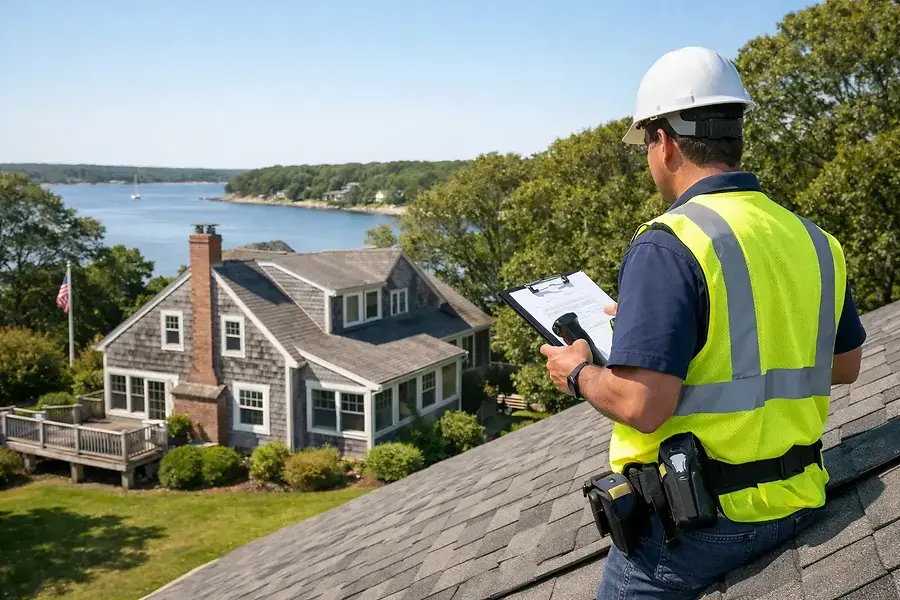
Understanding the Home Inspection Process in Wareham
Buying a home is one of the most significant investments you'll make, and a professional home inspection is your best defense against costly surprises. In Wareham, a thorough home inspection typically takes 2-3 hours and covers every major system and component of the property.
A certified home inspector will evaluate:
- Structural integrity – Foundation, walls, roof, and framing
- Roofing systems – Condition, age, and remaining lifespan
- Plumbing – Water pressure, drainage, and pipe conditions
- Electrical systems – Panel, wiring, and safety compliance
- HVAC systems – Heating, cooling, and ventilation functionality
- Insulation and ventilation – Energy efficiency and moisture control
- Interior components – Doors, windows, flooring, and walls
- Exterior elements – Siding, gutters, landscaping, and drainage
The inspector will provide a detailed written report with photographs and recommendations. This document becomes your roadmap for understanding the property's true condition and potential future expenses.
Why Wareham Homes Require Special Attention
Wareham's coastal location and climate create unique inspection considerations. The salt air, moisture, and seasonal weather patterns can accelerate wear on roofing materials, siding, and metal components. Many Wareham properties also feature older construction styles that may have outdated electrical or plumbing systems requiring modernization.
Common Issues Found in Wareham Homes and What They Mean
Roof and Water Damage
Roof damage is one of the most frequently identified issues in Wareham inspections. Missing or damaged shingles, curling edges, and moss growth are red flags. A roof nearing the end of its lifespan (typically 20-25 years) may need replacement within a few years, which is a substantial expense.
What it means for you: Budget $8,000-$15,000 for roof replacement, or negotiate a credit from the seller if replacement is imminent.
Foundation and Structural Concerns
Cracks in the foundation or basement walls are common in older Wareham homes. While minor hairline cracks are normal, larger cracks, bowing walls, or water seepage indicate more serious problems requiring professional assessment.
What it means for you: Request a structural engineer's evaluation if significant issues are found. This could affect your purchase decision or negotiation strategy.
Plumbing and Water Issues
Older homes in Wareham may have galvanized pipes that are corroding or outdated plumbing materials. Low water pressure, slow drains, and visible rust stains suggest aging pipes that may need replacement.
What it means for you: Replumbing a home can cost $10,000-$25,000. Factor this into your offer if extensive work is needed.
Electrical System Deficiencies
Outdated electrical panels, insufficient outlets, and improper grounding are common in vintage Wareham properties. Aluminum wiring is particularly concerning due to fire risk and should be professionally evaluated.
What it means for you: Modern electrical upgrades ensure safety and support today's power demands. Budget accordingly if upgrades are recommended.
HVAC and Energy Efficiency
Aging heating and cooling systems lose efficiency over time. An inspector will note the age and condition of your HVAC equipment and identify any maintenance issues.
What it means for you: A 15+ year old system may fail soon. Plan for replacement costs or request seller credits.
Using Inspection Results to Negotiate and Plan Your Purchase
Reviewing Your Inspection Report
Don't let the inspection report sit unread. Schedule time to review it thoroughly with your real estate agent. Categorize issues into three groups:
- Critical items – Safety hazards or major structural problems requiring immediate attention
- Important items – Systems nearing end of life that will need replacement soon
- Minor items – Cosmetic issues or routine maintenance recommendations
Negotiation Strategies
Armed with your inspection report, you have several negotiation options:
- Request repairs – Ask the seller to fix critical issues before closing
- Negotiate a price reduction – Reduce your offer to account for repair costs
- Request seller credits – Receive funds at closing to handle repairs yourself
- Walk away – If issues are too extensive, you may choose to pursue another property
Pro tip: Get repair estimates from licensed contractors before negotiating. This gives you concrete numbers to discuss with the seller.
Planning Your Budget
Use inspection findings to create a realistic post-purchase budget. Prioritize critical repairs and safety issues first. For cosmetic or minor items, you can address them gradually as your budget allows.
Final Steps: From Inspection Report to Closing Day
Follow-Up Inspections
If the seller agrees to repairs, schedule a follow-up inspection before closing to verify work was completed properly. Don't skip this step – it protects your investment.
Final Walk-Through
Conduct a final walk-through 24 hours before closing. Verify that agreed-upon repairs are complete, the property is in expected condition, and no new damage has occurred.
Closing Preparation
Review your closing disclosure and ensure all inspection-related credits or repair agreements are reflected in your final numbers. Ask your lender and title company any questions before signing.
Moving Forward with Confidence
A thorough home inspection transforms you from a hopeful buyer into an informed one. You'll understand your new home's condition, anticipate future maintenance needs, and make decisions based on facts rather than assumptions. In Wareham's competitive real estate market, this knowledge is invaluable.
Remember: The inspection is an investment in your peace of mind and financial security. Don't rush the process or skip this critical step in your home-buying journey.


