The Complete Home Inspection Guide for Warwick, RI Buyers
Discover what to look for during inspections to protect your investment and avoid costly surprises.

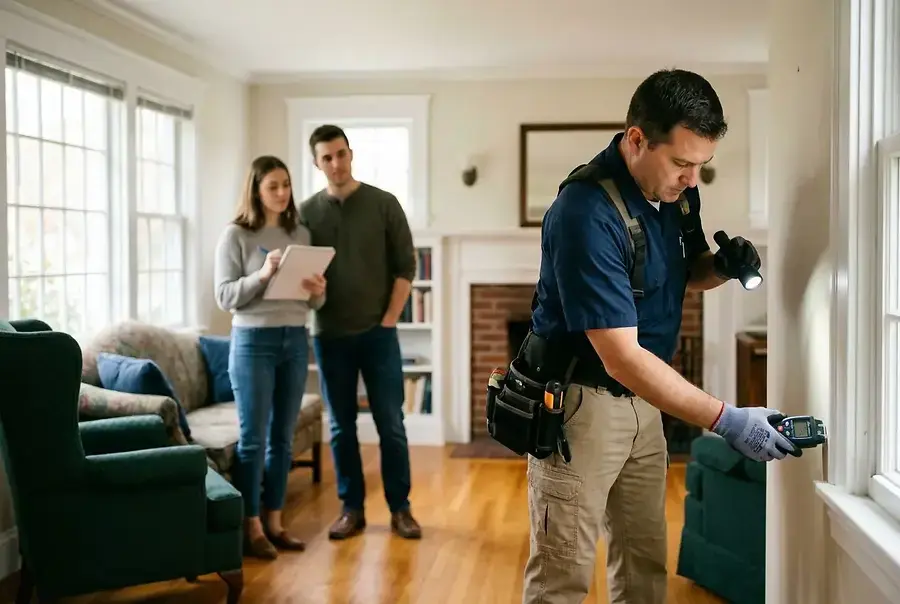
Why Home Inspections Matter in Warwick's Real Estate Market
Purchasing a home is one of the most significant financial decisions you'll make in your lifetime. In Warwick, Rhode Island's competitive real estate market, a professional home inspection is your safeguard against inheriting costly problems. Many buyers overlook this critical step or rush through it, only to discover expensive issues after closing. A thorough inspection can reveal hidden defects, structural concerns, and maintenance needs that could cost thousands to repair.
Warwick's diverse housing stock—ranging from historic colonial homes to modern developments—means each property presents unique inspection challenges. Older homes may have outdated electrical systems or plumbing, while newer constructions might have builder defects. A qualified inspector understands these regional variations and knows what to look for in Warwick's specific climate and building conditions.
Key Areas Inspectors Evaluate and Red Flags to Watch For
Structural Integrity and Foundation
The foundation is your home's backbone. Inspectors examine foundations for cracks, settling, water damage, and signs of movement. In Warwick, where seasonal freeze-thaw cycles are common, foundation damage is a serious concern. Look for horizontal cracks, bowing walls, or water stains in basements—these indicate potential structural problems that require immediate attention.
Roofing and Exterior
Your roof protects everything beneath it. Inspectors evaluate roof age, material condition, flashing integrity, and gutter systems. Missing or damaged shingles, sagging roof lines, and deteriorated flashing are red flags. In Warwick's coastal climate, salt spray and weather exposure accelerate roof deterioration. Most roofs last 15-25 years, so knowing the age is crucial for budgeting future replacements.
Electrical Systems
Outdated or faulty electrical systems pose fire hazards and safety risks. Inspectors check:
- Panel capacity and condition
- Proper grounding and bonding
- Presence of aluminum wiring (a fire hazard in older homes)
- GFCI outlets in wet areas
- Overall code compliance
Flickering lights, frequently tripped breakers, or outdated fuse boxes suggest electrical problems that may require costly upgrades.
Plumbing and Water Systems
Water damage is expensive and can lead to mold growth. Inspectors examine:
- Pipe material and condition (galvanized, copper, PVC)
- Water pressure and flow
- Drain functionality
- Water heater age and condition
- Signs of leaks or corrosion
Slow drains, low water pressure, rust-colored water, or visible corrosion indicate plumbing issues. Galvanized pipes, common in older Warwick homes, often need replacement.
HVAC Systems
Heating and cooling systems are essential in Rhode Island's climate. Inspectors assess furnace/boiler age, efficiency, maintenance history, and air conditioning functionality. Systems older than 15-20 years may need replacement soon, which is a significant expense to anticipate.
Insulation and Ventilation
Proper insulation reduces energy costs and prevents moisture problems. Inspectors check attic insulation levels, ventilation adequacy, and signs of moisture or mold. Inadequate ventilation can lead to ice dams in winter—a common Warwick problem that damages roofs and causes interior water damage.
Interior Conditions
Inspectors examine walls, ceilings, and floors for water damage, cracks, or settling. Water stains, soft spots in flooring, or visible mold suggest moisture problems. They also check windows, doors, and interior systems like appliances (if included in the sale).
Understanding Inspection Reports and Negotiating Repairs
Decoding Your Inspection Report
Professional inspection reports categorize findings by severity. Understand these classifications:
- Safety Issues: Immediate hazards requiring urgent attention
- Major Defects: Significant problems affecting home value or functionality
- Minor Issues: Small repairs or maintenance items
- Recommendations: Suggested improvements or further evaluation
Don't panic over every finding. Some issues are cosmetic; others are serious. Your real estate agent and inspector can help prioritize what matters most.
Negotiation Strategies
After receiving your inspection report, you have several options:
- Request repairs: Ask the seller to fix major issues before closing
- Request credits: Negotiate a price reduction to cover repair costs yourself
- Request re-inspection: Have the inspector verify repairs were completed properly
- Walk away: If issues are too extensive, you can terminate the purchase
Pro tip: Focus negotiations on safety issues and major structural problems. Sellers are more likely to address these than cosmetic concerns. Get repair estimates from licensed contractors to support your negotiation position with concrete numbers.
When to Request Further Evaluation
Some issues warrant specialist inspections:
- Mold concerns: Hire a mold specialist
- Asbestos or lead paint: Get professional testing in older homes
- Radon: Conduct radon testing (especially important in Rhode Island)
- Septic systems: Have a septic specialist evaluate if applicable
- Pest damage: Consult a pest control professional if termites or other damage is suspected
These specialized inspections cost extra but provide peace of mind and protect your investment.
Making Informed Decisions With Professional Inspection Guidance
A home inspection is your opportunity to make an informed decision before committing to one of life's largest purchases. In Warwick's real estate market, where properties vary widely in age and condition, professional guidance is invaluable.
Choose a qualified inspector certified by the American Society of Home Inspectors (ASHI) or similar organization. Attend the inspection if possible—it's educational and allows you to ask questions directly. Review the report carefully with your agent, and don't hesitate to request clarification on any findings.
Remember, no home is perfect. The goal isn't to find a flawless property but to understand what you're buying and budget accordingly. Armed with detailed inspection information, you can negotiate confidently, plan for necessary repairs, and move forward with confidence in your Warwick home purchase.
Take your time with this process. A thorough home inspection is one of the best investments you can make to protect your financial future and ensure your new house becomes the home of your dreams.


