The Complete Home Inspection Guide for Washington DC Buyers
Protect your investment by understanding what every homebuyer needs to know about the inspection process in DC.

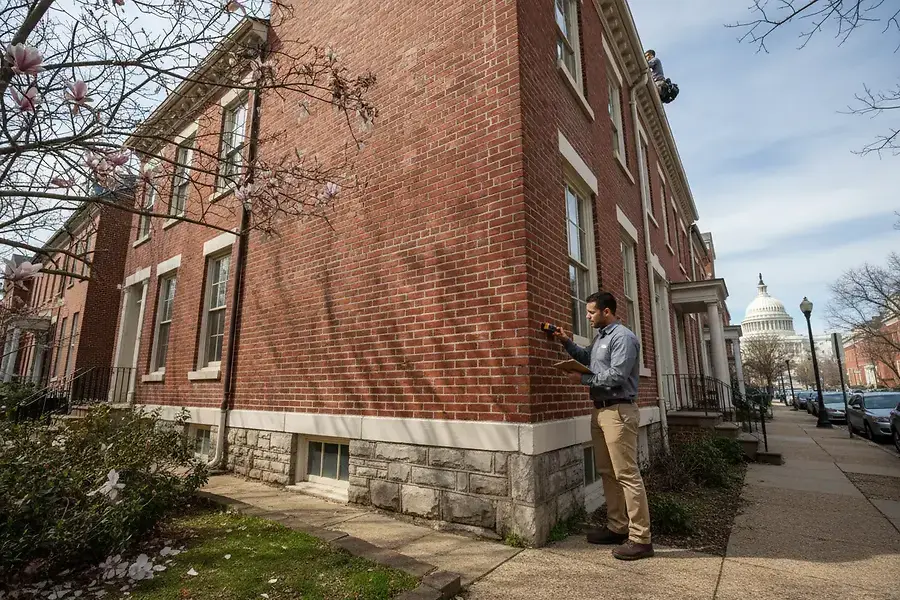
Introduction: Why Home Inspections Matter in the DC Market
Purchasing a home in Washington DC is one of the most significant investments you'll make in your lifetime. With the region's competitive real estate market and diverse housing stock ranging from historic townhouses to modern condominiums, a thorough home inspection is not just recommended—it's essential. A professional home inspection provides you with critical information about the property's condition, helping you avoid costly surprises and negotiate better terms with sellers.
In the DC market, where many homes are older and have unique architectural features, inspections become even more valuable. They give you peace of mind and empower you to make informed decisions about your purchase.
Key Areas Inspectors Examine in Washington DC Homes
Structural Components and Foundation
DC's older homes often have foundation issues due to the region's clay-heavy soil and historical construction methods. Inspectors carefully examine the foundation for cracks, settling, and water damage. They also assess the structural integrity of walls, floors, and the overall frame of the house.
Roofing and Exterior
The DC climate, with its humid summers and occasional winter weather, takes a toll on roofs and exterior materials. Inspectors evaluate:
- Roof condition and remaining lifespan
- Gutters and downspouts
- Siding, brick, and mortar joints
- Windows and doors
- Drainage systems around the property
Plumbing Systems
Water quality and plumbing reliability are crucial concerns in DC. Inspectors test water pressure, check for leaks, examine pipe materials (particularly important in older homes with outdated plumbing), and assess the condition of fixtures and water heaters.
Electrical Systems
Electrical safety is paramount. Inspectors verify that the electrical panel is properly sized, check for outdated wiring, test outlets for proper grounding, and ensure the system meets current safety codes. Many older DC homes may have outdated electrical systems that need upgrading.
HVAC and Climate Control
Given DC's temperature extremes, heating and cooling systems are vital. Inspectors evaluate furnaces, air conditioning units, ductwork, and thermostats to ensure they're functioning efficiently and safely.
Interior Conditions
Inspectors examine walls, ceilings, floors, and insulation. They also check for signs of water damage, mold, pest infestations, and other interior issues that could affect your health and the home's value.
Common Issues Found in DC Properties and How to Address Them
Water Damage and Moisture Problems
The Issue: DC's humid climate and older homes make water damage a frequent concern. Basements are particularly vulnerable to flooding and moisture intrusion.
How to Address It: Request a moisture assessment, ensure proper grading around the foundation, install or upgrade sump pumps, and consider waterproofing solutions. Budget for potential remediation before making an offer.
Outdated Electrical Systems
The Issue: Many DC homes still have outdated electrical panels, knob-and-tube wiring, or insufficient capacity for modern appliances and technology.
How to Address It: Obtain quotes from licensed electricians for panel upgrades or rewiring. Factor these costs into your offer negotiations or request that the seller complete the work before closing.
Lead Paint and Asbestos
The Issue: Homes built before 1978 likely contain lead paint, and many older DC properties may have asbestos in insulation, tiles, or other materials.
How to Address It: Conduct specialized testing if the inspection reveals potential hazards. While lead paint doesn't necessarily require removal, you should understand the risks and maintenance requirements. Professional abatement may be necessary for asbestos.
Roof Age and Condition
The Issue: DC's weather patterns can accelerate roof deterioration. Many homes have roofs nearing the end of their lifespan.
How to Address It: Get a detailed roof inspection from a specialist. If replacement is needed, obtain estimates and negotiate with the seller or plan for this expense in your budget.
HVAC System Failures
The Issue: Aging heating and cooling systems are common in older DC homes and may be inefficient or unreliable.
How to Address It: Have the HVAC system professionally evaluated. Budget for potential replacement, which can be a significant expense but is essential for comfort and safety.
Plumbing Issues
The Issue: Galvanized pipes, outdated materials, and poor water pressure are common in DC properties.
How to Address It: Request a plumbing inspection and water quality test. Plan for potential pipe replacement if necessary, and ensure the water heater is in good condition.
Conclusion: Using Inspection Results to Make Confident Offers
A comprehensive home inspection is your best defense against unexpected problems and financial losses. In the DC market, where homes vary widely in age and condition, this step is invaluable.
Here's how to use your inspection results effectively:
- Review the report carefully with your real estate agent and ask questions about any concerns
- Prioritize issues by separating critical safety concerns from cosmetic problems
- Obtain repair estimates for significant issues to inform your negotiations
- Request repairs or credits from the seller based on inspection findings
- Plan your budget for any work you'll need to complete after purchase
- Make an informed decision about whether to proceed, renegotiate, or walk away
By understanding the inspection process and common DC property issues, you're taking control of your home-buying journey. A thorough inspection protects your investment, gives you negotiating power, and ensures you're making one of life's biggest decisions with confidence and clarity.