The Complete Home Inspection Guide for West Chester Homebuyers
Master the critical inspection checklist that protects your investment and prevents costly surprises.

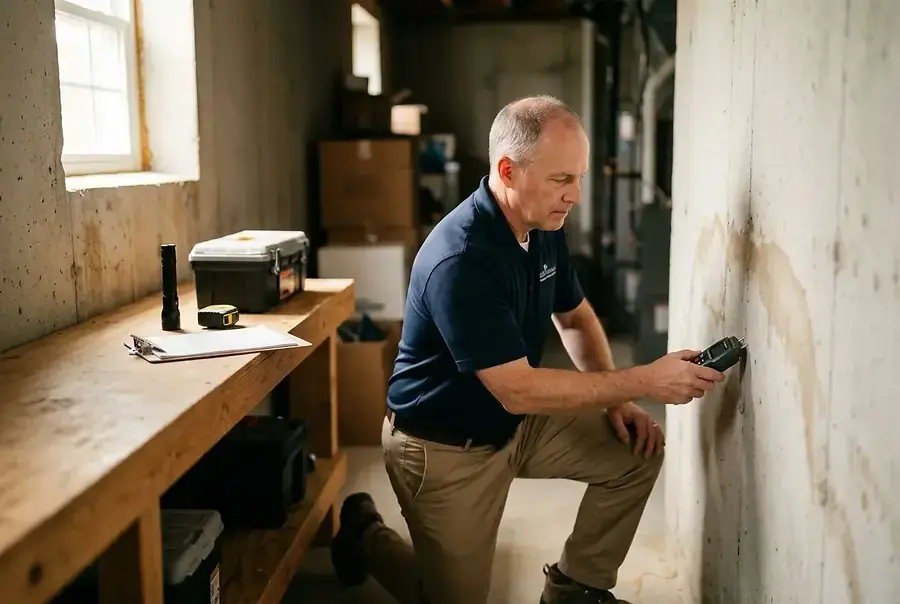
Why Professional Home Inspections Matter in West Chester
Purchasing a home is one of the most significant financial decisions you'll make. In West Chester, where properties range from historic Victorian homes to modern developments, a professional home inspection is not just recommended—it's essential. A thorough inspection can uncover hidden problems that could cost thousands of dollars to repair after closing.
Many homebuyers skip or rush through inspections to expedite the buying process, but this approach often leads to regret. A comprehensive home inspection provides peace of mind and gives you the information needed to make an informed decision. Whether you're a first-time buyer or an experienced investor, understanding what inspectors evaluate can help you protect your investment.
In West Chester's competitive real estate market, having a detailed inspection report strengthens your negotiating position. It allows you to identify issues early and address them before they become major problems.
Key Areas Inspectors Evaluate: Structural, Systems, and Safety
Structural Components
Inspectors begin by examining the foundation, which is critical to a home's integrity. They look for cracks, settling, water damage, and signs of foundation movement. Foundation issues are among the most expensive repairs homeowners face.
The roof is another crucial structural element. Inspectors assess shingles, flashing, gutters, and drainage systems. They check for missing or damaged shingles, improper installation, and signs of leaks. In West Chester, where weather can be unpredictable, a well-maintained roof is vital.
Walls, windows, and doors are evaluated for structural soundness and proper installation. Inspectors look for water damage, rot, and gaps that could affect energy efficiency.
Mechanical and Electrical Systems
Your home's systems keep it functioning safely and comfortably. Inspectors thoroughly evaluate:
- HVAC Systems: Heating and cooling equipment is tested for proper operation and efficiency
- Electrical Systems: Wiring, panels, outlets, and safety features are inspected for code compliance
- Plumbing: Water supply lines, drainage, fixtures, and water heaters are checked for leaks and proper function
- Gas Systems: If applicable, gas lines and appliances are evaluated for safety
These systems are expensive to replace, making their condition a critical factor in your purchase decision.
Safety and Environmental Concerns
Modern inspections include checks for potential hazards. Inspectors test for carbon monoxide, check smoke detector functionality, and evaluate stair railings and handrails. In older West Chester homes, inspectors may also assess asbestos, lead paint, and mold presence.
Water intrusion is a common issue that can lead to mold growth and structural damage. Inspectors look for signs of water damage in basements, attics, and crawl spaces.
Interior and Exterior Features
A complete inspection includes:
- Basement and crawl space conditions
- Attic ventilation and insulation
- Deck and porch structural integrity
- Exterior siding and caulking
- Landscaping drainage and grading
- Driveway and walkway conditions
These details matter because they affect both safety and long-term maintenance costs.
Understanding Your Inspection Report and Red Flags to Watch
Decoding the Report
A professional inspection report is comprehensive and detailed. It typically includes photographs, descriptions of findings, and recommendations. Reports categorize issues by severity: critical, major, and minor.
Critical issues require immediate attention and may affect your decision to purchase. These include structural damage, electrical hazards, plumbing failures, or HVAC system breakdowns.
Major issues are significant but not immediately dangerous. Examples include roof repairs needed within a few years, water stains indicating past leaks, or aging systems approaching end-of-life.
Minor issues are cosmetic or maintenance-related, such as caulking needs or paint touch-ups.
Red Flags to Watch
Certain findings should raise concerns:
- Foundation cracks or settling: These can indicate serious structural problems
- Roof damage or age: Roofs typically last 15-25 years; older roofs may need replacement soon
- Water damage or mold: These suggest moisture intrusion and potential health hazards
- Outdated electrical systems: Knob-and-tube wiring or inadequate panels may need upgrading
- HVAC system failure: Replacement costs can exceed $5,000-$10,000
- Plumbing issues: Corroded pipes or failed septic systems are expensive to repair
- Pest damage: Termite or rodent damage can compromise structural integrity
Don't ignore these red flags. Instead, use them as leverage in negotiations or reasons to request repairs before closing.
Working with Your Inspector
Attend the inspection if possible. A good inspector will explain findings in detail and answer your questions. Ask about the age of major systems, expected lifespan, and maintenance requirements. Request clarification on any items you don't understand.
If the report reveals significant issues, consider hiring a specialist for a second opinion. For example, a structural engineer can assess foundation concerns, or a plumber can evaluate pipe conditions.
Using Inspection Findings to Negotiate and Move Forward
Negotiation Strategies
Armed with inspection findings, you have several options:
- Request repairs: Ask the seller to fix critical issues before closing
- Request credits: Negotiate a price reduction to cover repair costs yourself
- Request inspections by specialists: For major concerns, hire licensed professionals
- Renegotiate the purchase price: Use findings to justify a lower offer
Be reasonable in your requests. Sellers are more likely to cooperate if you focus on significant issues rather than minor cosmetic concerns.
Moving Forward Confidently
A thorough home inspection is an investment in your future.
The small cost of an inspection—typically $300-$500—is minimal compared to the potential savings from identifying major problems.
Once you've reviewed the report and negotiated any necessary repairs or credits, you can move forward with confidence. You'll understand your home's condition, know what maintenance to prioritize, and have documentation for future reference.
Keep your inspection report for your records. It's valuable for insurance purposes, future repairs, and when you eventually sell your home.
Conclusion: Protecting Your West Chester Investment
A professional home inspection is your best defense against costly surprises. By understanding what inspectors evaluate, learning to read your report, and using findings strategically, you protect your investment and make an informed purchase decision.
Don't let the excitement of finding your dream home overshadow the importance of due diligence. A thorough inspection gives you the knowledge and confidence to move forward with your West Chester home purchase. Whether you're buying in a historic neighborhood or a new development, prioritize this critical step in the home-buying process.