The Complete Home Inspection Guide for Wichita Real Estate Buyers
Discover the critical inspection points that protect your investment and prevent costly surprises.

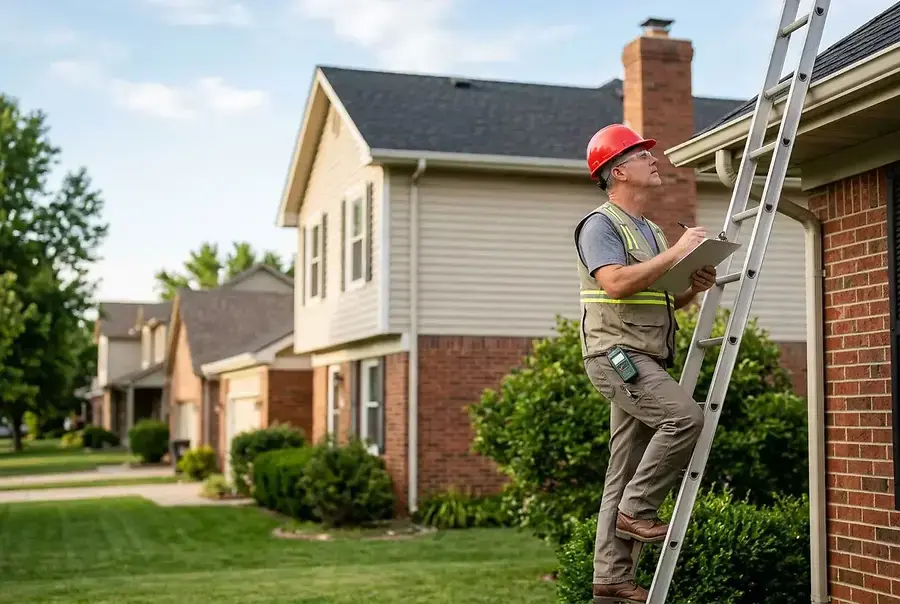
Introduction: Why Home Inspections Matter in Wichita
Purchasing a home is one of the most significant financial decisions you'll make in your lifetime. In Wichita's competitive real estate market, a professional home inspection serves as your safeguard against hidden defects and costly repairs down the road. A thorough inspection can reveal structural issues, mechanical problems, and safety hazards that might not be visible to the untrained eye.
Many first-time homebuyers underestimate the importance of this crucial step. Without a proper inspection, you could inherit someone else's problems—literally. From foundation cracks to outdated electrical systems, the issues discovered during an inspection can significantly impact your negotiating power and long-term homeownership costs.
Key Areas Inspectors Examine and Red Flags to Watch For
Structural Components
Home inspectors begin by evaluating the foundation, walls, and overall structural integrity of the property. In Wichita, where weather patterns can be extreme, foundation issues are particularly important to monitor.
- Foundation cracks: Small hairline cracks may be cosmetic, but larger cracks or those showing signs of movement warrant professional evaluation
- Water damage: Staining on basement walls or floors indicates potential moisture intrusion problems
- Settling: Uneven floors or doors that don't close properly may suggest foundation settling
Roofing and Exterior
The roof is your home's first line of defense against the elements. Inspectors examine shingles, flashing, gutters, and drainage systems to assess remaining lifespan and identify repairs needed.
- Roof age: Most asphalt shingle roofs last 15-20 years; older roofs may need replacement soon
- Missing or damaged shingles: These compromise the roof's protective barrier
- Gutter condition: Clogged or damaged gutters can lead to water damage and foundation problems
- Exterior siding: Look for rot, gaps, or deterioration that could allow water infiltration
Plumbing Systems
Water-related issues can be expensive and destructive. Inspectors test water pressure, check for leaks, and evaluate the overall condition of pipes and fixtures.
- Galvanized pipes: Older homes may have outdated pipes prone to corrosion and reduced water flow
- Leaks: Even small drips indicate problems that will worsen over time
- Water heater condition: Inspectors note the age and functionality of this critical appliance
- Drainage issues: Slow drains or backups suggest blockages or deteriorated pipes
Electrical Systems
Faulty electrical systems pose serious safety risks. Inspectors examine the panel, wiring, outlets, and grounding to ensure everything meets current safety standards.
- Outdated panels: Older homes may have insufficient capacity for modern electrical demands
- Knob-and-tube wiring: This outdated wiring method is a fire hazard and insurance concern
- Grounding issues: Improper grounding can lead to electrical shocks and equipment damage
- GFCI protection: Bathrooms and kitchens should have ground fault circuit interrupter outlets
HVAC Systems
Heating and cooling systems are essential for comfort and can be expensive to replace. Inspectors evaluate furnaces, air conditioners, and ductwork.
- System age: Most HVAC systems last 15-20 years before requiring replacement
- Maintenance records: Regular servicing indicates a well-maintained system
- Ductwork condition: Leaks or poor insulation reduce efficiency and increase utility costs
Interior Conditions
Inspectors also examine interior elements that affect livability and safety, including insulation, ventilation, windows, and doors.
- Mold and moisture: Signs of mold indicate moisture problems that need addressing
- Asbestos: Older homes may contain asbestos in insulation, flooring, or other materials
- Lead paint: Homes built before 1978 may contain lead-based paint, a health hazard for children
How to Interpret Your Inspection Report and Negotiate Repairs
Understanding the Report
Home inspection reports can be lengthy and technical. Focus on items categorized as "major" or "critical" rather than minor cosmetic issues. These are the problems that could affect safety, functionality, or resale value.
Pro tip: Ask your inspector to walk you through the report and explain findings in plain language. Understanding what you're looking at empowers you to make informed decisions.
Negotiation Strategies
Once you have the inspection report, you have several options for addressing identified issues:
- Request repairs: Ask the seller to fix major issues before closing
- Request credits: Negotiate a price reduction to cover repair costs yourself
- Request inspections: For significant issues, ask for specialized inspections by licensed contractors
- Walk away: If repairs are extensive and costly, you may choose to withdraw your offer
Prioritizing Issues
Not all inspection findings require immediate action. Prioritize based on safety and functionality. Safety issues like electrical hazards or structural problems should be addressed immediately, while cosmetic issues can often wait.
Consider the cost of repairs relative to the home's purchase price. A $500 repair on a $300,000 home is less significant than the same repair on a $150,000 property.
Conclusion: Making Informed Decisions as a Wichita Homebuyer
A professional home inspection is an investment in your peace of mind and financial security. By understanding what inspectors look for and how to interpret their findings, you position yourself to make confident decisions about your Wichita home purchase.
Remember that no home is perfect. The goal isn't to find a flawless property but to identify issues that could affect your safety, comfort, and investment value. Armed with inspection knowledge, you can negotiate effectively, budget for necessary repairs, and move forward with confidence in your new home.
Take the time to choose a qualified, licensed home inspector, attend the inspection if possible, and ask questions about anything you don't understand. Your future self will thank you for the diligence you invest today.


