The Complete Home Inspection Guide for Woodbridge, VA Buyers
Protect your investment by understanding what inspectors look for and how to interpret findings before closing on your new home.

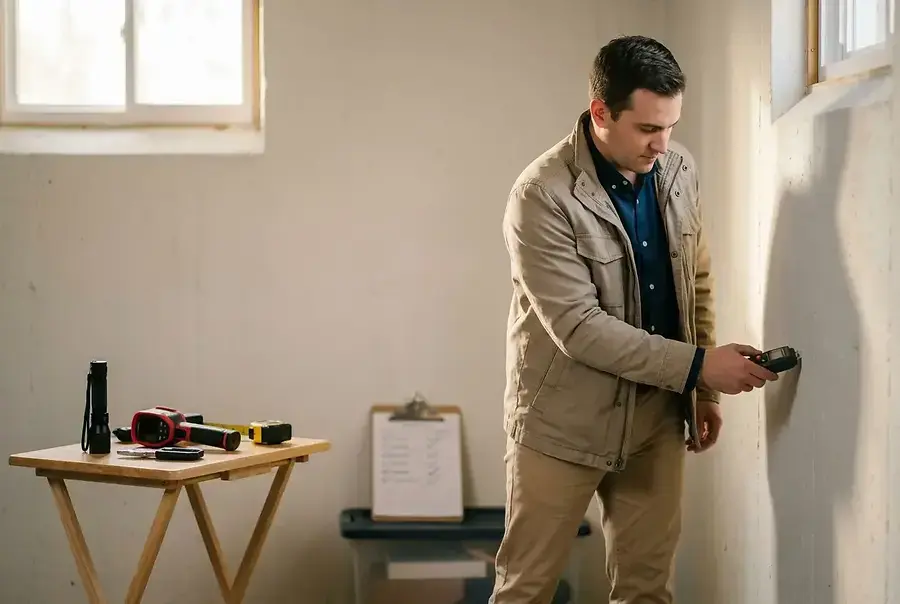
Why Home Inspections Matter in Woodbridge
Purchasing a home in Woodbridge is one of the most significant financial decisions you'll make. A professional home inspection is your opportunity to uncover potential issues before you commit to the purchase. Unlike appraisals, which determine property value, inspections focus on the condition of the home's systems and structure.
In Woodbridge's diverse housing market—ranging from newer developments to established neighborhoods—inspections reveal critical information about everything from foundation integrity to HVAC efficiency. A thorough inspection protects you from costly surprises after closing and provides leverage for negotiating repairs or credits with the seller.
Most home purchase contracts include an inspection contingency period, typically 7-10 days, giving you time to hire an inspector and review findings before your offer becomes binding. Understanding what inspectors evaluate helps you ask informed questions and make confident decisions about your investment.
Key Areas Inspectors Evaluate in Woodbridge Homes
Structural Components and Foundation
Inspectors examine the foundation, walls, and framing for signs of settling, cracks, or water damage. In Woodbridge, where soil composition varies by neighborhood, foundation issues can develop over time. Look for horizontal cracks, bowing walls, or moisture in basements—these warrant further investigation by a structural engineer.
Roofing and Exterior
The roof is your home's first line of defense against Virginia's weather. Inspectors assess:
- Shingle condition and remaining lifespan
- Flashing around chimneys and vents
- Gutters and downspout functionality
- Siding, windows, and exterior caulking
- Deck or patio structural integrity
Roof replacements can cost $8,000-$15,000, so understanding the roof's age and condition is essential for budgeting future maintenance.
Plumbing Systems
Inspectors test water pressure, check for leaks, and evaluate pipe materials. Older Woodbridge homes may have galvanized steel pipes that corrode over time, potentially requiring replacement. They'll also examine:
- Water heater age and condition
- Drain functionality
- Sump pump operation (if applicable)
- Septic system status (for homes not on municipal water)
Electrical Systems
A safe electrical system is non-negotiable. Inspectors verify that the panel has adequate capacity, check for outdated wiring, and ensure proper grounding. Knob-and-tube wiring or aluminum wiring in older homes can pose fire hazards and may require upgrades.
HVAC and Ventilation
Your heating and cooling systems are critical for comfort in Woodbridge's humid summers and cold winters. Inspectors evaluate furnace and air conditioning unit age, efficiency, and maintenance history. They also check ductwork for leaks and proper ventilation in bathrooms and kitchens.
Interior Conditions
Inspectors examine walls, ceilings, and floors for water damage, mold, or pest evidence. They test windows and doors for proper operation and check insulation levels in attics. Water stains or soft spots indicate potential moisture problems that could lead to structural damage or health issues.
How to Review Inspection Reports and Negotiate Repairs
Understanding the Report
Inspection reports typically categorize findings as:
- Critical Issues: Safety hazards or major system failures requiring immediate attention
- Major Concerns: Significant repairs needed within the next few years
- Minor Issues: Maintenance items or cosmetic concerns
- Observations: Notes about normal wear or items to monitor
Read the report carefully and ask your inspector to clarify any findings. Don't assume every issue requires immediate action—some items are normal maintenance, while others genuinely threaten the home's value or safety.
Prioritizing Repairs
Focus negotiations on critical and major issues. Safety concerns like electrical hazards, roof leaks, or structural problems should be addressed before closing. Cosmetic issues or routine maintenance can often be handled after purchase or factored into your offer price.
Pro Tip: Obtain repair estimates for major issues before negotiating. Sellers are more likely to accept requests backed by specific contractor quotes.
Negotiation Strategies
You have several options when the inspection reveals problems:
- Request repairs: Ask the seller to fix issues before closing
- Request credits: Receive a credit toward closing costs to handle repairs yourself
- Request price reduction: Renegotiate the purchase price based on repair costs
- Walk away: Use inspection findings to terminate the contract if issues are severe
Approach negotiations professionally and reasonably. Sellers are more cooperative when requests focus on legitimate safety or structural concerns rather than minor cosmetic issues. Your real estate agent can help determine fair requests based on local market conditions and comparable homes.
When to Call Specialists
If the general inspection reveals potential problems, consider hiring specialists:
- Structural Engineer: For foundation or framing concerns
- Mold Inspector: If water damage or mold is suspected
- Radon Tester: To check for this invisible, dangerous gas
- Termite Inspector: To assess pest damage risk
These specialized inspections typically cost $300-$800 but provide peace of mind and concrete data for negotiations.
Making Informed Decisions with Inspection Data
A home inspection is an investment in your future. The $300-$500 inspection fee is minimal compared to the cost of discovering major problems after closing. Use inspection findings to make informed decisions about whether the home is right for you and at what price.
Remember that no home is perfect. Older homes have character but may require more maintenance. Newer homes have fewer surprises but may have construction defects. The key is understanding what you're buying and budgeting accordingly.
Work closely with your real estate agent and inspector to interpret findings, prioritize concerns, and negotiate fairly. By taking home inspections seriously, you protect your investment and ensure that your new Woodbridge home is a sound financial and personal decision for years to come.


