The Complete Home Inspection Guide: What Buyers Need to Know
Discover what professional inspectors examine and how to use their findings to make confident residential purchasing decisions.

Why Professional Home Inspections Are Critical
Purchasing a home is one of the most significant financial decisions most people make in their lifetime. A professional home inspection serves as your safeguard against hidden defects and costly surprises after closing. Unlike appraisals, which determine a property's market value, home inspections focus on identifying structural, mechanical, and safety issues that could affect your investment.
A qualified home inspector provides an objective, third-party evaluation of the property's condition. This comprehensive assessment gives you the knowledge needed to negotiate repairs, request credits, or make an informed decision about whether to proceed with the purchase. Without this crucial step, buyers risk inheriting expensive problems that could have been discovered and addressed before signing the final paperwork.
Key Areas Inspectors Evaluate in Residential Properties
Structural Components
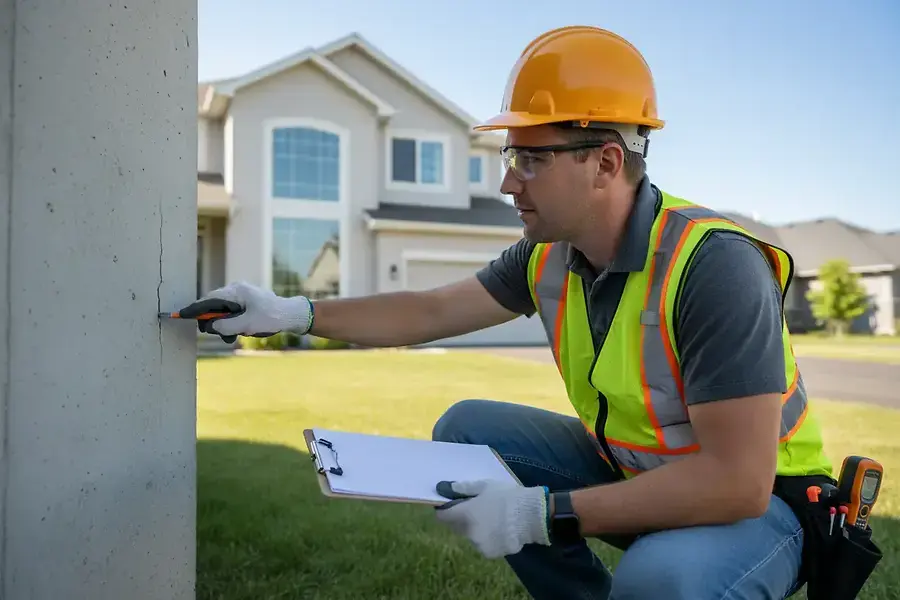
Inspectors thoroughly examine the foundation, walls, and roof structure for signs of damage, settling, or deterioration. They look for cracks in the foundation, water damage, and any structural issues that could compromise the home's integrity. The roof is evaluated for missing shingles, leaks, and remaining lifespan, as roof replacement represents a substantial expense.
Roofing and Exterior
Beyond structural assessment, inspectors evaluate:
- Roof condition and estimated remaining life
- Gutters and downspout functionality
- Siding, trim, and exterior paint condition
- Windows and doors for proper operation and sealing
- Grading and drainage around the foundation
Plumbing Systems
A thorough plumbing inspection includes checking water pressure, testing all fixtures, and examining pipes for leaks or corrosion. Inspectors identify outdated materials like galvanized pipes or polybutylene, which may require replacement. They also assess the water heater's age and condition, as these units typically last 8-12 years.
Electrical Systems
Inspectors verify that the electrical panel is properly sized and functioning safely. They test outlets, check for proper grounding, and identify any outdated wiring that poses safety risks. Aluminum wiring, common in homes built during the 1960s-1970s, is a particular concern as it can create fire hazards if not properly maintained.
HVAC Systems
Heating, ventilation, and air conditioning systems are tested for proper operation and efficiency. Inspectors note the age of equipment, identify maintenance needs, and estimate remaining lifespan. A failing HVAC system can cost thousands to replace, making this assessment particularly important.
Interior Components
Inspectors examine:
- Walls, ceilings, and floors for damage or water stains
- Doors and windows for proper operation
- Insulation levels in attic spaces
- Ventilation and moisture control
- Appliances included in the sale
Basement and Crawl Spaces
These areas are carefully evaluated for water intrusion, mold, pest damage, and structural concerns. Moisture problems in basements are among the most common issues discovered during inspections and can lead to mold growth and structural damage if left unaddressed.
How to Read and Interpret Your Home Inspection Report
Understanding the Report Format
Home inspection reports typically organize findings by system or area of the home. Each item is usually categorized by severity level, such as:
- Critical Issues: Safety hazards or major structural problems requiring immediate attention
- Major Issues: Significant defects that will likely need repair soon
- Minor Issues: Small problems or maintenance recommendations
- Informational Items: Notes about the home's features or age of components
Prioritizing Findings
Not all inspection findings carry equal weight. Focus first on critical safety issues and major structural problems. These are the items that should drive your negotiation strategy. Minor cosmetic issues or routine maintenance recommendations are typically less important in your decision-making process.
Pro Tip: Request clarification from your inspector about any findings you don't understand. A reputable inspector will be happy to explain issues and answer questions about their significance and potential costs.
Estimating Repair Costs
The inspection report identifies problems but typically doesn't provide repair cost estimates. Research typical costs for major issues discovered, or obtain quotes from contractors. This information becomes crucial when negotiating with the seller about who will handle repairs or provide credits.
Planning for Future Maintenance
Beyond identifying current problems, inspection reports provide valuable information about the home's systems and their remaining lifespan. Use this information to budget for future maintenance and replacements, such as a roof or water heater that's nearing the end of its useful life.
Using Inspection Results to Negotiate and Protect Your Investment
Armed with your inspection report, you have several options. You can request that the seller make repairs before closing, ask for a credit to handle repairs yourself, or renegotiate the purchase price based on the property's actual condition. The inspection gives you legitimate grounds for these negotiations and protects you from overpaying for a property with significant issues.
Remember that inspection contingencies in your purchase agreement allow you to walk away from the deal if major problems are discovered. This protection is invaluable and emphasizes why getting a professional inspection before finalizing your purchase is absolutely essential.
A thorough home inspection transforms you from a passive buyer into an informed consumer. By understanding what inspectors evaluate and how to interpret their findings, you make confident decisions that protect both your financial investment and your family's safety in your new home.