The Complete Home Inspection Guide: What Buyers Need to Know Before Closing
Discover the critical inspection points that protect your investment and prevent expensive repairs after closing.

Understanding the Home Inspection Process and Why It Matters
Purchasing a home is one of the most significant financial decisions you'll make in your lifetime. A professional home inspection is your safeguard against inheriting costly problems that could drain your savings and create stress for years to come. This comprehensive evaluation examines the property's condition from top to bottom, providing you with detailed information about what you're actually buying.
A standard home inspection typically lasts between two to four hours and covers all major systems and components of the property. The inspector will document their findings in a detailed report, complete with photographs and recommendations. This report becomes your negotiating tool and your roadmap for future maintenance. Understanding what inspectors look for and why it matters can help you make an informed decision about your investment.
Many first-time homebuyers underestimate the importance of this step, viewing it as just another box to check. However, a thorough inspection can reveal hidden issues that might not be apparent during a casual walkthrough. From foundation problems to outdated electrical systems, these discoveries can significantly impact your decision to proceed with the purchase or request repairs.
Key Areas to Evaluate: Foundation, Systems, and Structural Integrity
Foundation and Structural Components
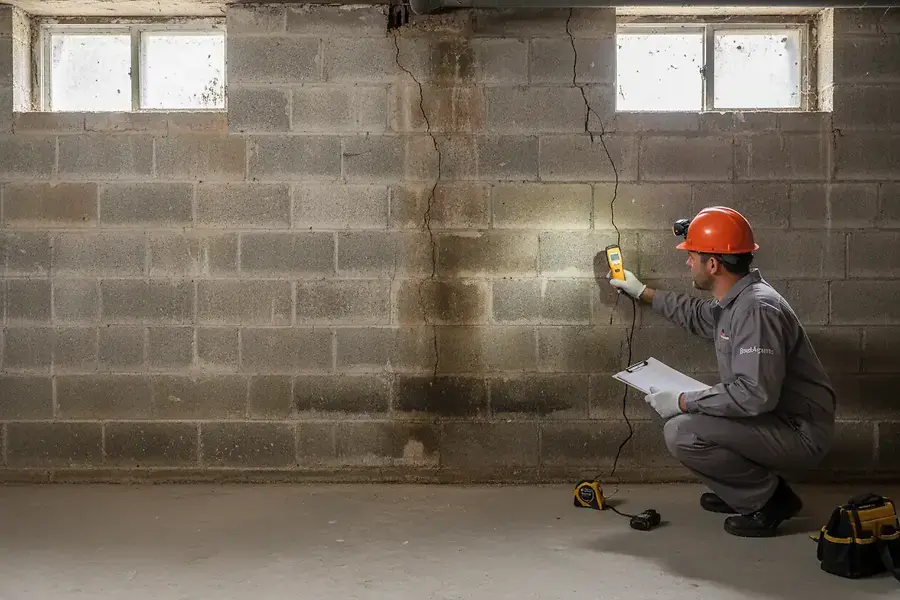
The foundation is literally the backbone of your home, and any issues here are serious concerns. Inspectors will look for:
- Cracks in the foundation walls or basement floors
- Signs of water intrusion or moisture damage
- Uneven settling or sloping floors
- Deterioration of concrete or masonry
Foundation repairs can be extremely expensive, sometimes costing tens of thousands of dollars. This is why a thorough evaluation of this area is critical before you commit to the purchase.
Electrical, Plumbing, and HVAC Systems
These three systems keep your home functioning safely and comfortably. Inspectors evaluate:
- Electrical: Panel condition, wiring safety, outlet functionality, and code compliance
- Plumbing: Water pressure, drainage, pipe condition, and water heater age and functionality
- HVAC: Furnace or heat pump operation, air conditioning efficiency, and ductwork condition
Outdated or failing systems may require replacement soon after purchase. Understanding the age and condition of these systems helps you budget for future upgrades and maintenance.
Roof, Attic, and Exterior
The exterior of your home protects everything inside. Key inspection points include:
- Roof condition, age, and remaining lifespan
- Gutters and downspout functionality
- Siding, windows, and doors for damage or deterioration
- Attic ventilation and insulation levels
- Grading and drainage around the foundation
A roof replacement can cost $10,000 or more, making this evaluation particularly important for your long-term financial planning.
Red Flags and How to Negotiate Repairs or Credits
Major Red Flags to Take Seriously
Certain findings should raise immediate concerns and warrant further investigation:
- Foundation cracks or water damage – These indicate structural or moisture problems
- Outdated electrical panels – Particularly aluminum wiring or Federal Pacific panels, which pose fire hazards
- Roof nearing end of life – Replacement is imminent and expensive
- Evidence of pest infestation – Termites or other pests can cause structural damage
- Mold or significant moisture issues – These affect health and can indicate larger problems
- Failing HVAC systems – Replacement costs are substantial
Negotiating Repairs and Credits
Once you receive the inspection report, you have several options.
Don't simply accept the findings—use them as leverage to protect your investment.
Request repairs: Ask the seller to fix critical issues before closing. This ensures the work is done properly and you have recourse if problems arise.
Request credits: If the seller won't make repairs, negotiate a credit toward closing costs. This allows you to hire contractors of your choice and maintain quality control.
Renegotiate the price: For significant issues, you may ask for a price reduction to account for future repairs and maintenance.
The key is to prioritize. Not every finding requires negotiation—focus on major systems and structural issues that affect safety and longevity. Minor cosmetic issues or deferred maintenance on less critical items may not be worth the negotiation effort.
Moving Forward with Confidence After Your Inspection
Using Your Inspection Report Wisely
Your inspection report is valuable long after closing day. Keep it in a safe place and refer to it when:
- Planning maintenance schedules for major systems
- Budgeting for future repairs and upgrades
- Understanding your home's specific needs and quirks
- Filing insurance claims for damage
Creating a Maintenance Plan
Use the inspection findings to create a proactive maintenance plan. Address minor issues before they become major problems. For example, if the inspector noted that your roof has 5-10 years of life remaining, you can start saving now for the eventual replacement.
Final Thoughts
A home inspection is an investment in peace of mind. It provides you with the knowledge needed to make an informed decision and protects you from inheriting someone else's problems. Don't skip this crucial step or rush through it. Take time to review the report thoroughly, ask your inspector questions, and use the findings to negotiate confidently with the seller.
By understanding what inspectors evaluate and how to respond to their findings, you're taking control of one of the most important purchases of your life. Walk into closing day with confidence, knowing you've done your due diligence to protect your investment.