The Complete Home Inspection Guide: What Every Residential Buyer Needs to Know
Discover the critical inspection points that protect your investment and prevent costly surprises after closing.

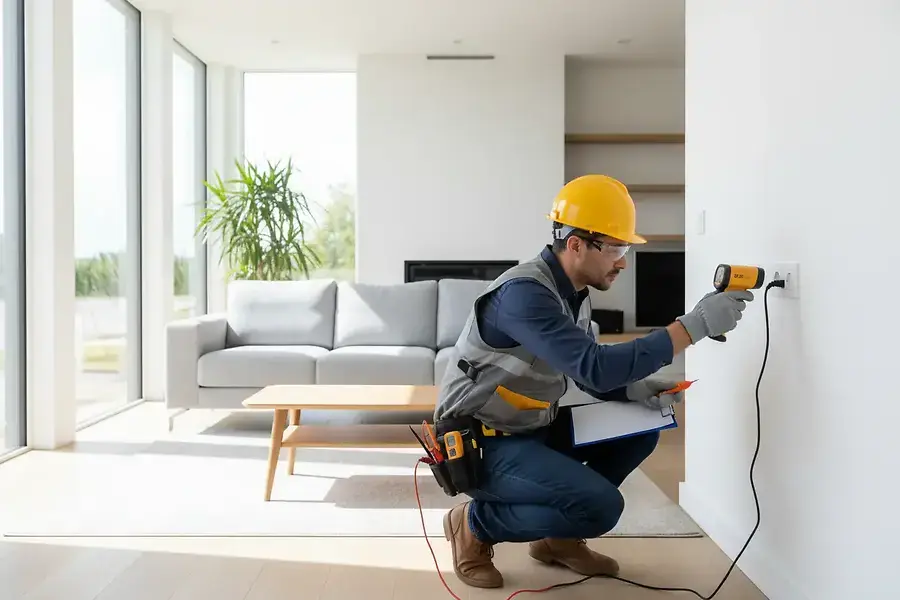
Introduction: Why Home Inspections Matter for Residential Buyers
Purchasing a home is one of the most significant financial decisions you'll ever make. While it's easy to fall in love with a property's aesthetics, what lies beneath the surface truly matters. A professional home inspection is your safeguard against inheriting expensive problems and hidden defects that could drain your savings for years to come.
A thorough home inspection provides an objective assessment of a property's condition, identifying issues that untrained eyes might miss. Whether you're a first-time buyer or an experienced investor, understanding what inspectors look for can help you negotiate better terms, plan for repairs, or walk away from a problematic property altogether.
Key Areas Inspectors Evaluate: Foundation, Systems, and Structural Integrity
Foundation and Structural Components
The foundation is the backbone of any home. Inspectors examine the foundation for cracks, settling, water damage, and signs of structural movement. They assess:
- Foundation cracks: Small hairline cracks are normal, but larger cracks may indicate serious structural issues
- Basement moisture: Water intrusion can lead to mold, rot, and costly remediation
- Crawl space conditions: Proper ventilation and support beams are critical for structural integrity
- Grading and drainage: Water should flow away from the foundation to prevent damage
Roof and Exterior Systems
The roof protects everything beneath it, making its condition paramount. Inspectors evaluate:
- Roof age and condition: Most roofs last 15-25 years depending on materials and climate
- Shingles and flashing: Missing, curled, or damaged shingles indicate potential leaks
- Gutters and downspouts: Proper drainage prevents water damage to fascia and foundation
- Exterior walls: Siding, brick, and trim are checked for damage, rot, and pest entry points
Electrical Systems
A safe electrical system is non-negotiable. Inspectors examine the main panel, wiring, outlets, and grounding to ensure everything meets current safety codes. They look for:
- Outdated panels: Older panels may not handle modern electrical demands
- Improper wiring: Aluminum wiring or knob-and-tube wiring pose fire hazards
- GFCI protection: Ground fault circuit interrupters are essential in wet areas
- Adequate grounding: Proper grounding protects against electrical shocks and fires
Plumbing and Water Systems
Water-related issues can be expensive and destructive. Inspectors test water pressure, check for leaks, and evaluate:
- Pipe materials: Galvanized, copper, PVC, and PEX pipes have different lifespans and reliability
- Water heater condition: Age, rust, and capacity are important factors
- Drainage systems: Slow drains or backups indicate potential blockages
- Water quality: Discoloration or odors may suggest contamination
HVAC Systems
Heating, ventilation, and air conditioning systems are essential for comfort and health. Inspectors assess:
- System age and efficiency: Older systems may need replacement soon
- Maintenance records: Regular servicing indicates proper care
- Ductwork condition: Leaks reduce efficiency and increase energy costs
- Thermostat functionality: Proper temperature control is crucial
Red Flags and Deal-Breakers: Understanding Inspection Reports
Major Concerns That Require Attention
Not all inspection findings are equal. Some issues are cosmetic and inexpensive to fix, while others signal serious problems. Major red flags include:
- Foundation damage: Significant cracks, settling, or water intrusion can cost $10,000 to $100,000+ to repair
- Roof replacement needs: A new roof can cost $15,000 to $30,000 depending on size and materials
- Mold contamination: Extensive mold requires professional remediation and indicates moisture problems
- Electrical hazards: Outdated wiring or improper grounding poses fire and safety risks
- Plumbing failures: Corroded pipes or failed septic systems require expensive replacement
- Pest infestations: Termites, carpenter ants, or rodents can cause structural damage
Using the Inspection Report Strategically
Once you receive the inspection report, you have several options. Don't panic at the first sign of problems—instead, prioritize issues by severity and cost. Use the report to:
- Negotiate repairs: Ask the seller to fix major issues before closing
- Request price reductions: Deduct estimated repair costs from your offer
- Plan your budget: Identify upcoming maintenance and repairs to plan financially
- Walk away if necessary: If issues are too severe or costly, you may decide the property isn't worth the risk
"A home inspection is not a deal-killer—it's a deal-clarifier. It gives you the information you need to make a confident, informed decision."
Conclusion: Using Inspection Findings to Make Confident Purchase Decisions
A professional home inspection is an investment in peace of mind. By understanding what inspectors evaluate and recognizing red flags, you empower yourself to make informed decisions about one of life's biggest purchases.
Remember that every home has some issues—the goal is to identify them before you buy, not after. Work with a qualified home inspector, review the report thoroughly, and don't hesitate to ask questions or request a second opinion on major concerns.
Whether you're buying your first home or your fifth, a comprehensive home inspection protects your investment, prevents costly surprises, and gives you the confidence to move forward with your purchase. Take the time to do it right, and you'll enjoy your new home for years to come.


