The Complete Home Inspection Guide: What Smart Buyers Should Know
Discover the critical inspection points that protect your investment and reveal hidden property issues before you commit.

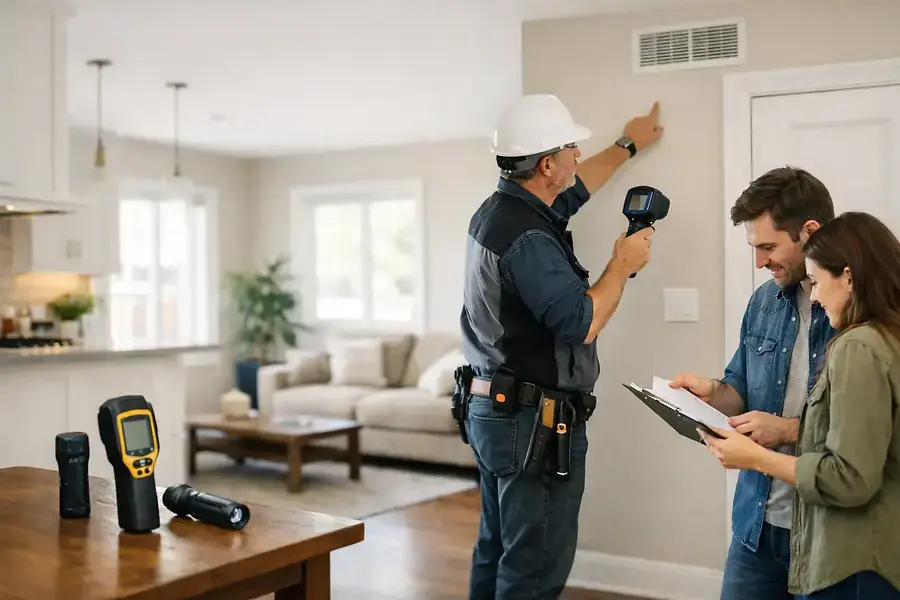
Introduction: Why Home Inspections Matter for Residential Purchases
Purchasing a home is one of the most significant financial decisions you'll ever make. A professional home inspection is your opportunity to uncover potential problems before signing on the dotted line. Unlike a quick appraisal, a thorough home inspection examines the property's condition in detail, providing you with critical information that can save you thousands of dollars in unexpected repairs.
A qualified home inspector spends several hours examining every accessible part of the property, from the foundation to the roof. Their detailed report becomes your roadmap for understanding what you're truly buying and what maintenance or repairs may lie ahead. Smart buyers view home inspections not as an optional step, but as essential due diligence.
Key Areas Inspectors Evaluate: Structural, Systems, and Safety Components
Structural Elements
The foundation is the backbone of any home. Inspectors look for cracks, settling, water damage, and signs of structural movement. A compromised foundation can lead to catastrophic repairs costing tens of thousands of dollars. They also evaluate:
- Basement and crawl space conditions
- Wall alignment and framing integrity
- Roof structure and support systems
- Evidence of past water intrusion or flooding
Mechanical and Electrical Systems
Your home's systems keep everything running smoothly. Inspectors test and evaluate:
- HVAC systems: Heating, ventilation, and air conditioning units are checked for age, functionality, and efficiency
- Electrical systems: Panel capacity, wiring safety, and outlet functionality are assessed
- Plumbing: Water pressure, drainage, pipe materials, and water heater condition are examined
- Gas systems: Connections, leaks, and safety are verified
These systems represent significant replacement costs, so understanding their condition is crucial for budgeting future expenses.
Safety and Environmental Concerns
Modern inspections include checks for hazardous materials and safety issues:
- Asbestos in insulation, flooring, or roofing materials
- Lead paint in homes built before 1978
- Mold and moisture problems
- Carbon monoxide and radon levels
- Proper grounding and electrical safety
- Stair and railing safety compliance
These environmental hazards can pose serious health risks and require professional remediation.
Exterior and Roofing
The exterior protects your home from the elements. Inspectors evaluate:
- Roof condition, age, and remaining lifespan
- Gutters, downspouts, and drainage systems
- Siding, windows, and door seals
- Deck and porch structural integrity
- Grading and landscaping that affects water drainage
Red Flags and Deal-Breakers: Understanding Inspection Reports
Major Concerns That Require Attention
Not all inspection findings are created equal. Some issues are minor cosmetic concerns, while others signal serious problems. Understanding the severity of findings helps you prioritize repairs and negotiations.
Critical red flags include:
- Foundation damage: Cracks wider than 1/4 inch, bowing walls, or signs of settling warrant professional evaluation
- Roof problems: Missing shingles, significant wear, or structural damage means expensive replacement is imminent
- Electrical hazards: Outdated panels, improper grounding, or aluminum wiring pose fire risks
- Plumbing issues: Galvanized pipes, active leaks, or sewage backups indicate costly repairs
- Mold and water damage: Extensive moisture problems suggest ongoing structural deterioration
- HVAC failure: Non-functional heating or cooling systems require immediate replacement
Interpreting the Report
Home inspection reports typically categorize findings by severity. Take time to understand which items are immediate concerns versus those that can be addressed over time. Ask your inspector to clarify any technical language and explain the implications of significant findings.
"A good home inspector doesn't just list problems—they explain what caused them and what it means for your home's future."
When to Walk Away
Some inspection results should trigger serious reconsideration. If the property reveals multiple major systems failing simultaneously, extensive mold, severe structural damage, or environmental hazards requiring professional remediation, you may want to reconsider your offer. The cost of repairs could exceed the property's value or your budget.
Conclusion: Using Inspection Results to Negotiate and Make Informed Decisions
A comprehensive home inspection provides the leverage you need to negotiate effectively. Armed with detailed findings, you have several options:
- Request repairs: Ask the seller to fix critical issues before closing
- Negotiate a price reduction: Reduce your offer to account for repair costs
- Request credits: Ask for closing cost credits to handle repairs yourself
- Renegotiate terms: Extend closing timelines for additional inspections or estimates
The inspection contingency in your purchase agreement protects you by allowing you to back out if major issues are discovered. Use this protection wisely—it's your final opportunity to ensure you're making a sound investment.
Remember, every home has some issues. The goal isn't to find a perfect property, but to understand what you're buying and make an informed decision. A thorough home inspection gives you that knowledge, empowering you to negotiate confidently and move forward with peace of mind. Don't skip this critical step in your home-buying journey.


