The Complete Home Maintenance Guide for New Homeowners in Year One
Learn the critical tasks you need to perform in your first year of homeownership to protect your investment and avoid costly repairs.

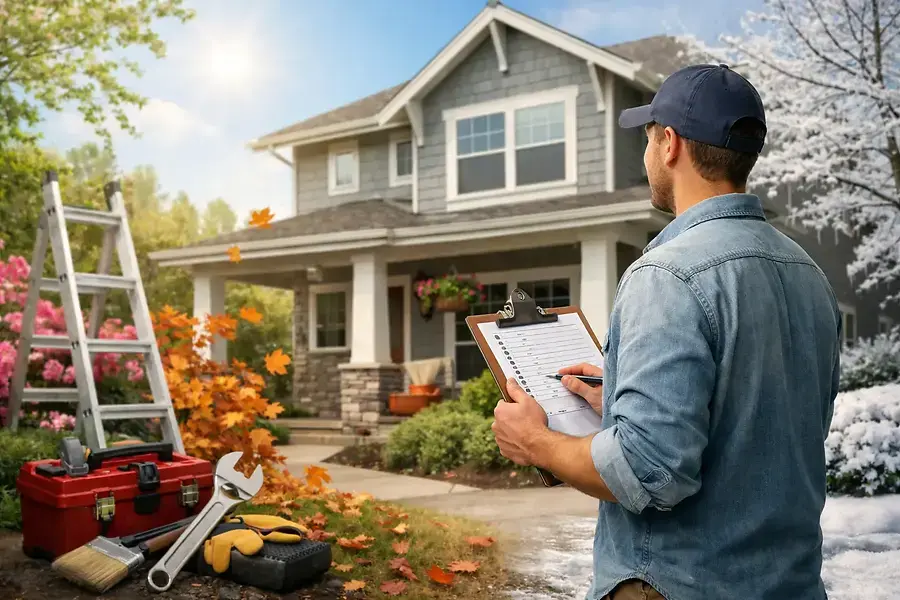
Why Home Maintenance Matters for New Owners
Congratulations on becoming a homeowner! While the excitement of owning your own property is undeniable, the responsibility that comes with it can feel overwhelming. Home maintenance is not optional—it's essential to protecting your investment. Your home is likely the largest purchase you'll ever make, and neglecting maintenance can lead to costly repairs down the road.
During your first year of homeownership, you'll discover what your home needs and establish routines that will serve you well for years to come. By staying proactive and addressing issues early, you can prevent small problems from becoming expensive disasters. This guide will walk you through the critical tasks you need to tackle in your first year.
Seasonal Maintenance Tasks and Timeline
Spring Maintenance
Spring is the perfect time to assess any damage that occurred during winter and prepare your home for warmer months.
- Inspect your roof and gutters: Look for missing shingles, debris, and signs of water damage. Clean gutters thoroughly to ensure proper drainage.
- Check your HVAC system: Have your air conditioning unit serviced before the warm season begins.
- Inspect exterior walls and foundation: Look for cracks, peeling paint, or signs of water intrusion.
- Test outdoor faucets and irrigation systems: Ensure everything is functioning properly after winter.
- Seal cracks and gaps: Use caulk to seal any openings where pests or water could enter.
Summer Maintenance
Summer is ideal for outdoor projects and addressing any issues discovered in spring.
- Maintain your lawn and landscaping: Regular mowing, trimming, and watering keep your property looking great and prevent overgrowth near your home's foundation.
- Inspect and repair decks and patios: Check for loose boards, rot, or damage that could pose safety risks.
- Power wash exterior surfaces: Clean siding, driveways, and walkways to prevent mold and mildew buildup.
- Check window and door seals: Ensure weatherstripping is intact to maintain energy efficiency.
- Inspect plumbing: Look for leaks under sinks and around toilets.
Fall Maintenance
Fall is crucial for preparing your home for winter weather.
- Clean gutters and downspouts: Remove leaves and debris to prevent water damage and ice dams.
- Inspect and seal windows and doors: Weatherstrip any gaps to improve energy efficiency.
- Have your heating system serviced: Schedule a professional inspection of your furnace or heating system.
- Drain and store outdoor equipment: Prepare garden hoses, sprinklers, and other outdoor items for winter.
- Trim tree branches: Remove branches hanging over your roof to prevent damage from falling limbs.
Winter Maintenance
Winter requires vigilance to protect your home from cold weather damage.
- Monitor your heating system: Ensure it's running efficiently and maintaining comfortable temperatures.
- Clear gutters of ice and snow: Prevent ice dams that can cause water damage to your roof and walls.
- Inspect attic ventilation: Proper ventilation prevents ice dams and moisture buildup.
- Check for drafts: Seal any air leaks around windows, doors, and utility penetrations.
- Monitor basement and crawl spaces: Watch for water intrusion or moisture problems.
Common Issues to Watch For and How to Address Them
Water Damage and Leaks
Water damage is one of the most expensive problems homeowners face. Check your basement and crawl spaces regularly for signs of moisture. Look for water stains on ceilings and walls, which indicate roof or plumbing leaks. Address leaks immediately to prevent mold growth and structural damage.
HVAC Problems
Your heating and cooling system is critical to your home's comfort and energy efficiency. If your system is more than 10-15 years old, budget for potential replacement. Schedule professional maintenance annually to keep it running smoothly and catch problems early.
Pest Infestations
Pests can cause significant damage if left unchecked. Seal cracks and gaps around your home's exterior, keep food stored properly, and address any signs of infestation immediately. Consider regular pest control treatments as a preventative measure.
Roof Issues
Your roof is your home's first line of defense against the elements. Inspect it regularly for missing or damaged shingles, and have a professional roofer assess any concerns. Most roofs last 20-25 years, so budget for eventual replacement.
Plumbing Problems
Slow drains, running toilets, and water pressure issues should be addressed promptly. Know where your main water shut-off valve is located in case of emergency. Consider having a plumber inspect your system during your first year to identify potential problems.
"The best time to fix a problem is before it becomes a crisis. Regular maintenance saves money and stress in the long run."
Building Long-Term Homeownership Success
Your first year as a homeowner sets the foundation for long-term success. By establishing a maintenance routine and staying vigilant, you'll protect your investment and avoid costly emergency repairs. Create a home maintenance checklist and calendar to keep track of tasks throughout the year.
Consider keeping detailed records of all maintenance and repairs performed on your home. This documentation will be valuable when you eventually sell your property and helps you remember when services were last completed.
Don't hesitate to hire professionals when needed. While some tasks can be DIY projects, others—like electrical work, major plumbing, and roof repairs—should be handled by licensed contractors. The cost of professional service is often far less than the cost of fixing mistakes.
Finally, remember that homeownership is a journey. Your first year will teach you valuable lessons about your home's unique needs and quirks. Stay proactive, stay organized, and enjoy the pride that comes with maintaining your own home.


