The Complete Home Staging Guide to Attract Serious Buyers
Transform your property into an irresistible showcase that helps buyers envision their future.

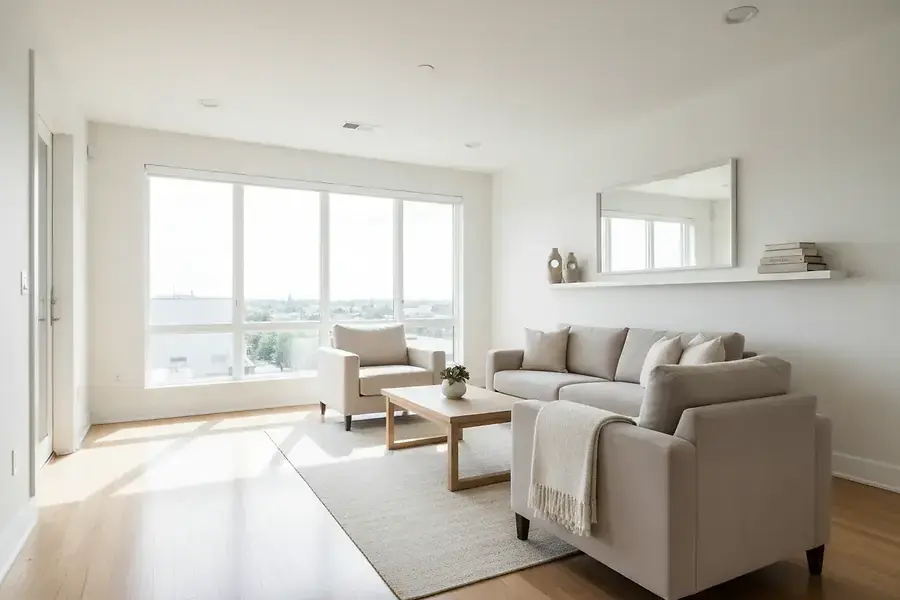
Introduction: Why Home Staging Matters in Today's Market
In today's competitive real estate market, first impressions are everything. When potential buyers walk through your door, they have mere seconds to form an opinion about your property. Home staging is the strategic process of preparing your home for sale by making it appealing to the widest range of buyers possible. Rather than asking buyers to imagine what your home could be, staging shows them exactly what it is—a place where they can build their future.
Research consistently shows that staged homes sell faster and for higher prices than unstaged properties. The investment in staging typically returns 5-10 times its cost through increased offers and negotiating power. Whether you're selling a cozy apartment or a sprawling estate, the principles of effective staging remain the same: create a neutral, welcoming environment that allows buyers to envision themselves living in your space.
Strategic Decluttering and Depersonalization Techniques
The Power of Decluttering
The first step in staging your home is removing excess items that distract from your property's best features. Decluttering isn't just about tidiness—it's about creating visual space that makes rooms feel larger and more inviting. Start by removing 30-50% of your personal belongings from each room.
- Remove family photos and personal memorabilia from walls and shelves
- Clear kitchen countertops of appliances and gadgets you don't use daily
- Eliminate excess furniture that makes rooms feel cramped
- Store seasonal items, hobby equipment, and rarely-used belongings
- Donate or sell items that no longer serve a purpose
Depersonalization Strategy
While your home reflects your personality and style, buyers need to see themselves in the space. Depersonalization means creating a neutral canvas that appeals to diverse tastes and lifestyles. This doesn't mean your home should feel sterile—rather, it should feel welcoming and universally appealing.
"The goal of staging is to help buyers imagine their own lives in your home, not to admire your decorating choices."
Consider these depersonalization techniques:
- Replace bold, trendy artwork with neutral, universally appealing pieces
- Remove religious or political items that might not resonate with all buyers
- Pack away collections and hobby displays that take up visual space
- Minimize personal photographs throughout the home
- Choose neutral paint colors if repainting is feasible
- Replace personalized doormats, throw pillows, and decorative items
Room-by-Room Decluttering Focus
Bedrooms should feel like peaceful retreats. Remove excess furniture, keep nightstands minimal, and ensure closets appear spacious by removing 40% of hanging items.
Bathrooms benefit from clear countertops and organized storage. Remove personal grooming items, medications, and excess towels. Keep only 2-3 decorative towels visible.
Living areas should invite relaxation and conversation. Arrange furniture to create clear traffic flow and define the room's purpose without overcrowding.
Lighting, Color, and Furniture Arrangement Best Practices
Mastering Lighting
Lighting dramatically impacts how buyers perceive your home. Natural light is the most valuable asset—maximize it by opening curtains and cleaning windows thoroughly. For artificial lighting, layer your approach:
- Install bright, energy-efficient bulbs in overhead fixtures
- Add table lamps to create warm, inviting ambiance in living spaces
- Ensure all light fixtures are clean and in working order
- Use accent lighting to highlight architectural features
- Avoid harsh fluorescent lighting in bedrooms and bathrooms
Color Psychology and Selection
Colors influence emotions and perceptions. Neutral colors like soft whites, warm grays, and beige create a blank canvas that appeals to most buyers. However, strategic use of color can enhance your home's appeal:
- Kitchen and dining areas: Warm neutrals encourage appetite and conversation
- Bedrooms: Cool, calming colors promote relaxation
- Bathrooms: Clean whites and soft blues suggest freshness and cleanliness
- Living rooms: Warm grays and taupes create sophisticated, welcoming spaces
If repainting isn't in your budget, use colorful accessories like throw pillows and artwork to add visual interest while maintaining overall neutrality.
Furniture Arrangement Fundamentals
Proper furniture arrangement creates flow, defines spaces, and makes rooms feel larger. Follow these key principles:
- Create conversation areas: Arrange seating to face each other, encouraging interaction
- Maintain clear pathways: Ensure buyers can walk through rooms without obstacles
- Scale appropriately: Use furniture proportional to room size—oversized pieces overwhelm small spaces
- Define room purposes: Use furniture placement to clearly establish each room's function
- Highlight focal points: Arrange furniture to draw attention to fireplaces, windows, or architectural features
- Leave breathing room: Avoid pushing all furniture against walls; floating furniture creates intimacy
The Bedroom Blueprint
Master bedrooms deserve special attention. Position the bed as the focal point, ideally visible from the doorway. Use matching nightstands with simple lamps, and keep the space uncluttered. Guest bedrooms should feel inviting with fresh linens and minimal furniture.
Kitchen and Bathroom Excellence
These rooms significantly influence purchase decisions. In kitchens, clear countertops except for a few attractive items like a fruit bowl or coffee maker. Ensure appliances shine and cabinets are organized. In bathrooms, display fluffy towels, add a plant for freshness, and ensure everything sparkles.
Conclusion: Creating an Emotional Connection That Sells
Home staging is ultimately about storytelling. You're not just selling a property—you're selling a lifestyle and a future. When buyers walk through a well-staged home, they should feel welcomed, comfortable, and inspired to imagine their lives unfolding within those walls.
The investment in staging—whether through professional services or DIY efforts—pays dividends. A thoughtfully staged home commands attention in listings, generates more showings, attracts serious buyers, and often sells for a higher price. The key is consistency: every room should reflect the same level of care and attention to detail.
Remember, staging isn't about deception—it's about presentation. You're simply removing distractions and highlighting your home's best features. By decluttering strategically, depersonalizing thoughtfully, and arranging spaces with intention, you create an environment where buyers can envision their dreams. That emotional connection is what transforms a house into a home—and a home into a sold property.
Start your staging journey today, and watch as serious buyers respond to your beautifully presented space.