The Complete Homebuyer's Guide to South Haven Property Inspections
Learn what professional inspectors evaluate and how to protect your residential investment in South Haven.

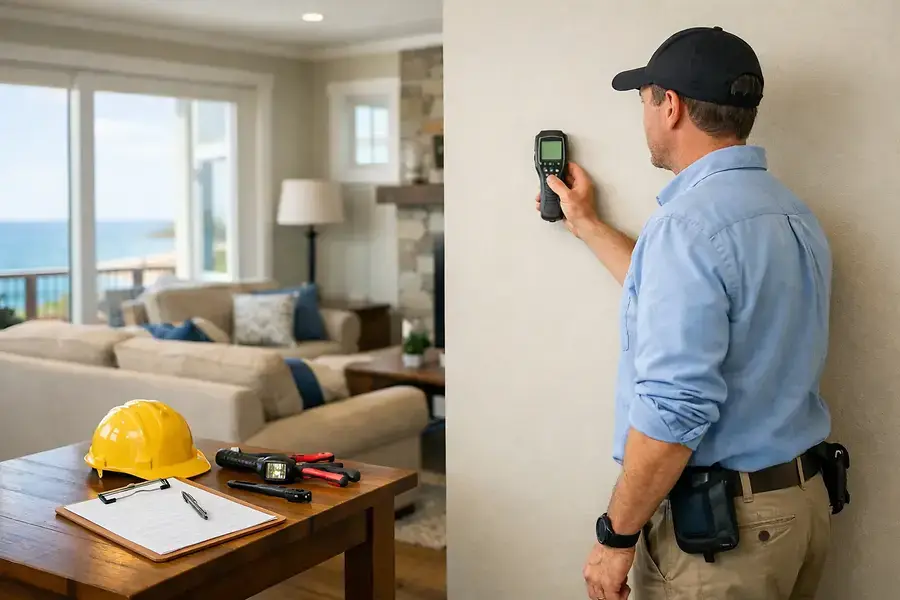
Why Home Inspections Matter in South Haven
Purchasing a home is one of the most significant financial decisions you'll make in your lifetime. In South Haven, where the real estate market is competitive and properties vary widely in age and condition, a professional home inspection is not just recommended—it's essential. A thorough inspection provides you with a detailed understanding of your potential property's structural integrity, safety systems, and overall condition.
Home inspections serve as your protection against costly surprises after closing. They uncover hidden defects that may not be visible during a casual walkthrough, allowing you to make informed decisions about your investment. Whether you're buying a charming historic home or a modern residential property, understanding what inspectors look for can save you thousands of dollars in unexpected repairs.
Common Issues Found in South Haven Properties
Moisture and Water Damage
South Haven's proximity to water and humid climate creates unique challenges for homeowners. Inspectors frequently identify moisture intrusion, basement seepage, and water damage in properties throughout the area. Common problem areas include:
- Foundation cracks and water seepage
- Roof leaks and damaged flashing
- Compromised window and door seals
- Inadequate drainage systems
- Mold growth in attics and crawl spaces
These issues can lead to structural damage and health concerns if left unaddressed. During your inspection, pay special attention to any signs of water damage, discoloration, or musty odors.
Aging Roofing Systems
Many South Haven properties feature roofs that have reached the end of their serviceable life. Inspectors evaluate roof condition by examining shingles, flashing, gutters, and underlying structure. A roof replacement can cost $10,000 or more, making this one of the most critical inspection findings. Look for missing shingles, curling, granule loss, and sagging areas.
Outdated Electrical Systems
Older homes in South Haven may have electrical systems that don't meet current safety standards. Inspectors check for:
- Adequate grounding and bonding
- Proper circuit breaker capacity
- GFCI protection in wet areas
- Outdated wiring that may pose fire hazards
- Insufficient outlets for modern living
Upgrading electrical systems can be expensive, so understanding the current state is crucial for your decision-making process.
HVAC and Plumbing Concerns
Heating, ventilation, air conditioning, and plumbing systems are vital to home comfort and functionality. Inspectors assess the age, condition, and efficiency of these systems. Common findings include aging furnaces, corroded pipes, and inadequate water pressure. These systems often require replacement or significant repairs, so their condition directly impacts your long-term ownership costs.
What to Expect During the Inspection Process
Pre-Inspection Preparation
Before your inspector arrives, ensure the property is accessible. Unlock gates, clear pathways to the attic and basement, and make sure utilities are operational. Provide the inspector with any available documentation about previous repairs or maintenance performed on the property.
The Inspection Timeline
A typical home inspection takes two to four hours, depending on the property's size and age. The inspector will systematically evaluate every major system and component. You should plan to be present during the inspection to ask questions and gain firsthand knowledge about your potential home.
Areas of Focus
Professional inspectors examine:
- Structural components: Foundation, framing, and load-bearing walls
- Exterior elements: Siding, windows, doors, and landscaping drainage
- Roofing: Condition, age, and remaining lifespan
- Interior systems: Electrical, plumbing, and HVAC
- Safety features: Smoke detectors, carbon monoxide detectors, and handrails
- Insulation and ventilation: Energy efficiency and moisture control
Understanding the Inspection Report
After the inspection, you'll receive a detailed report categorizing findings by severity. Reports typically use classifications such as:
- Safety Issues: Problems that pose immediate danger
- Major Repairs: Significant defects requiring professional attention
- Minor Issues: Small problems that should be addressed eventually
- Maintenance Recommendations: Suggestions for ongoing care
Review this report carefully and discuss findings with your real estate agent. Use the inspection results to negotiate repairs, credits, or price adjustments with the seller.
Next Steps After Inspection
Armed with inspection findings, you have several options. You can request the seller make repairs before closing, ask for a credit toward repairs you'll handle yourself, or renegotiate the purchase price. Some buyers choose to hire specialists for follow-up inspections on specific systems if major issues are identified.
Making Informed Decisions Before Purchase
A professional home inspection is your opportunity to make a fully informed decision about one of life's biggest purchases. In South Haven's real estate market, where properties range from historic waterfront homes to modern developments, understanding a property's true condition is invaluable.
Remember: A thorough inspection isn't about finding reasons to walk away—it's about understanding what you're buying and planning for future maintenance and repairs.
Don't skip the inspection to save money or speed up the closing process. The cost of a professional inspection—typically $300 to $500—is minimal compared to the potential savings from identifying major issues. Work with a qualified, licensed inspector who has experience with South Haven properties and understands the region's unique challenges.
By taking the time to understand your property's condition before purchase, you're protecting your investment and setting yourself up for successful homeownership in South Haven. Make the inspection a priority in your buying process, and you'll have the confidence and knowledge needed to make the best decision for your family and your future.


