The Complete Pittsburgh Home Inspection Guide for First-Time Buyers
Essential insights into the home inspection process and what to expect when buying a Pittsburgh property.

Understanding the Home Inspection Process
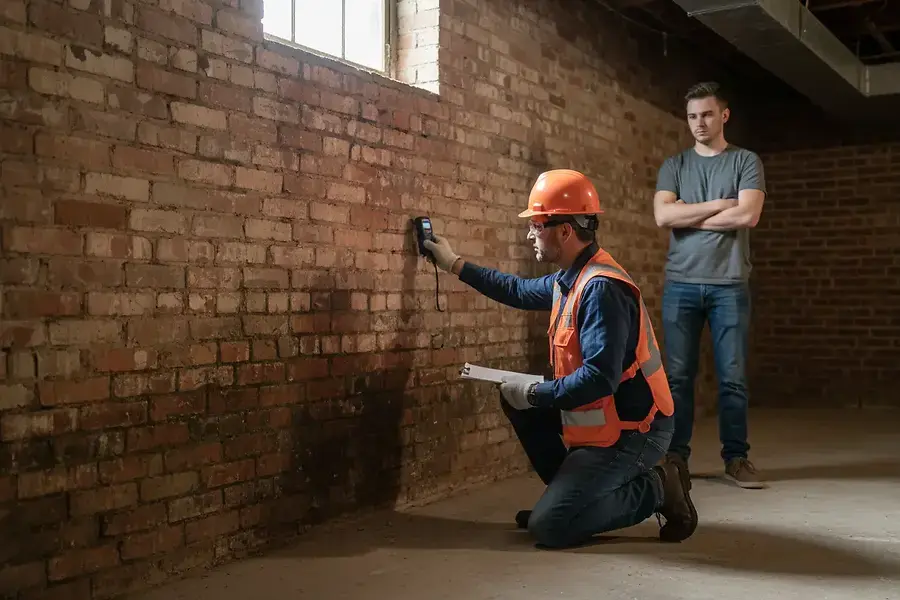
A home inspection is one of the most critical steps in the home-buying process. It's a thorough examination of a property's physical structure and systems, conducted by a licensed professional inspector. For first-time buyers in Pittsburgh, understanding what this process entails can help you make informed decisions about your investment.
The typical home inspection lasts between two to four hours, depending on the size and age of the property. During this time, the inspector will examine the foundation, roof, electrical systems, plumbing, HVAC systems, and interior components. In Pittsburgh, where many homes were built decades ago, inspectors pay special attention to the condition of older structures and outdated systems.
You have the right to be present during the inspection, and it's highly recommended that you attend. This gives you the opportunity to ask questions and understand potential issues firsthand. The inspector will provide you with a detailed written report, typically within 24 to 48 hours after the inspection.
What Inspectors Look For
Home inspectors follow a standardized checklist to ensure nothing is overlooked. They evaluate:
- Structural integrity: Foundation cracks, settling, and water damage
- Roofing: Age, condition, and signs of leaks
- Exterior: Siding, windows, doors, and drainage systems
- Interior systems: Electrical, plumbing, heating, and cooling
- Safety features: Smoke detectors, carbon monoxide detectors, and handrails
Common Issues Found in Pittsburgh Homes
Pittsburgh's unique climate and architectural heritage mean certain issues appear more frequently in local homes. Being aware of these common problems can help you understand inspection reports and negotiate repairs or credits.
Water Damage and Moisture Issues
Pittsburgh's humid climate and older homes with aging foundations make water intrusion a prevalent concern. Basements are particularly vulnerable, with many older Pittsburgh homes experiencing dampness or active leaks. Look for signs of water staining, efflorescence (white mineral deposits), and mold growth during your inspection.
Aging Roofs and Gutters
Many Pittsburgh homes feature roofs that are 20+ years old. Asphalt shingles typically last 15 to 20 years, so older homes often need roof replacement soon after purchase. Clogged or damaged gutters are also common, contributing to water damage and foundation issues.
Outdated Electrical Systems
Older Pittsburgh homes may have outdated electrical panels, knob-and-tube wiring, or insufficient outlets. These issues can be safety hazards and may require upgrades to meet current building codes. Inspectors will note any concerns and recommend professional electrician evaluations.
Plumbing Concerns
Cast iron pipes, common in older Pittsburgh homes, can corrode over time. Galvanized pipes may also show signs of deterioration. Water pressure issues and slow drains are red flags that warrant further investigation by a plumber.
HVAC System Age
Heating systems in older homes may be nearing the end of their lifespan. Furnaces typically last 15 to 20 years, and air conditioning units have similar lifespans. Budget for potential replacement costs if systems are aging.
How to Prepare for and Review Your Inspection Report
Before the Inspection
Preparation is key to getting the most from your home inspection. Schedule the inspection as soon as possible after your offer is accepted. Most purchase agreements include an inspection contingency period, typically 7 to 10 days. Don't wait until the last minute.
Request that the seller provide access to all areas of the home, including the attic, basement, and crawl spaces. Ask the inspector about their qualifications and whether they're licensed in Pennsylvania. Review their sample reports beforehand to understand their format and detail level.
During the Inspection
Attend the inspection and take notes. Ask the inspector to explain findings in detail. Don't be shy about asking questions—this is your investment. Take photos of any concerning areas for your records. Pay special attention to items the inspector marks as "needs further evaluation" or "recommend professional assessment."
Reviewing the Report
Once you receive the inspection report, review it carefully. Reports typically categorize findings by severity: safety issues, major concerns, and minor maintenance items. Focus on safety-related issues and significant structural or system problems first.
Remember: Not every issue found during an inspection is a deal-breaker. Many items are normal wear and tear or routine maintenance that you'll handle as a homeowner.
Create a prioritized list of concerns. Separate items that need immediate attention from those that can wait. Research repair costs for major items—get quotes from contractors if necessary. This information will be valuable during negotiations.
Next Steps After Your Inspection
Negotiating Repairs and Credits
If significant issues are discovered, you have several options. You can request that the seller make repairs before closing, ask for a credit toward closing costs, or negotiate a price reduction. In Pittsburgh's competitive market, be realistic about your requests. Sellers may be unwilling to make extensive repairs, especially on older homes sold as-is.
Getting Professional Evaluations
For items marked as needing further evaluation, hire specialists. A structural engineer can assess foundation concerns, a roofer can evaluate roof condition, and a plumber can inspect plumbing systems. These professional assessments provide concrete information for negotiations and future planning.
Planning for Future Maintenance
Use the inspection report as a roadmap for future maintenance. Create a timeline for addressing items like roof replacement, electrical upgrades, or plumbing repairs. Budget accordingly in your first years of homeownership.
Final Walkthrough
Conduct a final walkthrough of the property 24 hours before closing. Verify that any agreed-upon repairs were completed satisfactorily and that the property's condition hasn't changed since your inspection.
Buying a home in Pittsburgh is an exciting milestone. A thorough home inspection protects your investment and gives you peace of mind. By understanding the process, knowing what to expect, and carefully reviewing findings, you'll be well-equipped to make informed decisions about your new Pittsburgh home.


