The Complete Residential Home Inspection Guide for Savvy Buyers
Discover what professional inspectors look for and how to protect your investment before closing.

Why Home Inspections Matter for Residential Purchases
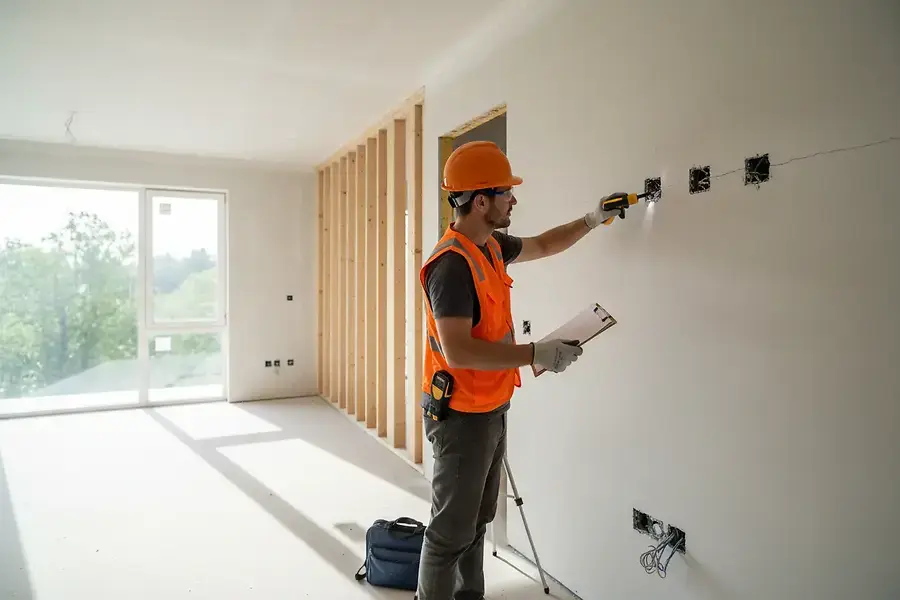
Purchasing a home is one of the most significant financial decisions you'll make in your lifetime. A professional home inspection is your opportunity to uncover potential issues before you commit to the purchase. Unlike the seller's disclosure, which may be incomplete or biased, a thorough inspection provides an objective assessment of your property's condition.
Home inspections protect your investment by identifying costly repairs that might not be visible during a casual walkthrough. They give you leverage in negotiations, allowing you to request repairs, credits, or price reductions based on documented findings. Without this critical step, you could inherit expensive problems that drain your finances and create stress for years to come.
Key Areas Professional Inspectors Evaluate
Structural Components and Foundation
Inspectors begin by examining the foundation and structural integrity of the home. They look for cracks, settling, water damage, and signs of movement that could indicate serious problems. A compromised foundation can be one of the most expensive issues to repair, making this evaluation crucial for your decision-making process.
Roofing and Exterior
The roof protects everything beneath it, so inspectors carefully assess its condition. They examine:
- Shingle condition and age
- Flashing around chimneys and vents
- Gutters and downspouts
- Exterior walls, siding, and paint
- Windows and doors for proper sealing
A roof nearing the end of its lifespan may require replacement within a few years, representing a substantial expense.
Plumbing Systems
Inspectors test water pressure, check for leaks, and evaluate the overall plumbing system. They examine pipes for corrosion, improper installation, and potential failures. Outdated plumbing or hidden leaks can lead to water damage and mold growth, both of which are expensive to remediate.
Electrical Systems
A thorough electrical inspection ensures your home meets current safety standards. Inspectors check:
- Panel capacity and condition
- Proper grounding and bonding
- Outlet and switch functionality
- Presence of outdated wiring like knob-and-tube
Electrical issues pose serious safety risks and may require costly upgrades to meet code requirements.
HVAC Systems
Heating, ventilation, and air conditioning systems are evaluated for proper operation and maintenance. Inspectors assess the age of equipment, efficiency ratings, and any signs of malfunction. Replacing an HVAC system can cost thousands of dollars, making this assessment vital.
Interior Components
Professional inspectors examine interior elements including:
- Walls, ceilings, and floors for damage or settling
- Doors and windows for proper operation
- Kitchen and bathroom fixtures
- Appliances included in the sale
- Insulation and ventilation
Red Flags and Common Issues Found During Inspections
Water Damage and Moisture Problems
Water damage is one of the most common issues inspectors discover. Stains on ceilings, walls, or floors indicate past or present leaks. Moisture problems can lead to mold growth, structural decay, and compromised indoor air quality. These issues require immediate attention and can be expensive to resolve.
Mold and Pest Infestations
While home inspectors typically don't perform mold or pest inspections, they may note signs of these problems. Visible mold, musty odors, or evidence of termites and rodents should prompt you to hire specialized inspectors. These issues can affect your health and require professional remediation.
Outdated or Unsafe Electrical Systems
Knob-and-tube wiring, aluminum wiring, and insufficient grounding are serious safety concerns. Many insurance companies won't cover homes with these hazards, and they may require expensive upgrades before you can obtain coverage.
Roof Issues
Missing shingles, curling, granule loss, and improper installation are common roof problems. If the roof is nearing the end of its lifespan, budget for replacement costs, which typically range from several thousand to tens of thousands of dollars depending on size and materials.
HVAC System Failures
Aging or malfunctioning heating and cooling systems are frequently discovered during inspections. An HVAC system that's beyond repair may need immediate replacement, representing a significant expense that should factor into your offer.
Plumbing Complications
Corroded pipes, improper venting, and outdated materials like galvanized steel can cause problems. Some older homes may have polybutylene pipes, which are prone to failure and may require complete replacement.
Using Inspection Results to Negotiate and Make Informed Decisions
Understanding Your Inspection Report
A comprehensive inspection report documents all findings with photographs and detailed descriptions. Items are typically categorized by severity, helping you prioritize concerns. Take time to understand each finding and ask your inspector questions about anything unclear.
Negotiation Strategies
Armed with inspection results, you have several negotiation options:
- Request repairs: Ask the seller to fix major issues before closing
- Negotiate credits: Receive money at closing to handle repairs yourself
- Request price reduction: Lower the purchase price to account for necessary work
- Walk away: Use inspection findings as justification to exit the deal if issues are severe
Making Your Final Decision
Consider the inspection results in context. Minor issues are normal in any home, but major structural, electrical, or plumbing problems warrant serious consideration. Calculate estimated repair costs and determine whether the property still represents good value at the negotiated price.
Remember that inspection contingencies typically allow you to renegotiate or withdraw from the purchase based on findings. Use this protection wisely to ensure you're making a sound investment.
Pro Tip: Attend the inspection if possible. Walking through with the inspector allows you to ask questions, understand issues firsthand, and make more informed decisions about your potential purchase.
Moving Forward with Confidence
A professional home inspection is an investment in your peace of mind and financial security. By understanding what inspectors evaluate and recognizing common red flags, you're equipped to make informed decisions that protect your investment. Don't skip this critical step—your future self will thank you.


