The Complete Residential Property Inspection Checklist for Smart Buyers
Essential steps to identify potential issues and protect your investment before closing on a residential home.

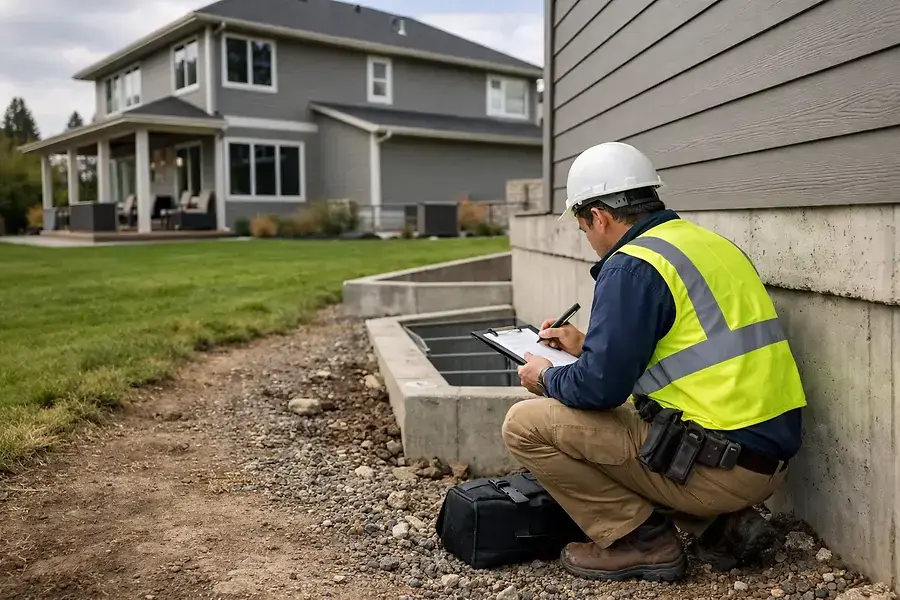
Why Professional Property Inspections Matter
Purchasing a residential property is one of the most significant financial decisions you'll make in your lifetime. While a home may look perfect on the surface, hidden structural issues, mechanical failures, and safety hazards can cost thousands of dollars to repair. A professional property inspection serves as your safeguard, providing a comprehensive evaluation of the home's condition before you commit to the purchase.
Many first-time homebuyers underestimate the importance of thorough inspections, viewing them as an optional expense. However, a detailed inspection can reveal problems that might not be apparent during casual walkthroughs, potentially saving you from costly repairs and unexpected headaches down the road. By investing in a professional inspection, you gain peace of mind and valuable negotiating power.
Critical Areas to Evaluate During a Residential Inspection
Foundation and Structural Integrity
The foundation is the backbone of any home. Inspectors examine the foundation for cracks, settling, water damage, and signs of structural movement. Look for horizontal cracks, which are more concerning than vertical ones, as they may indicate serious structural problems. The inspector will also check basement walls, crawl spaces, and the overall stability of the structure.
Roofing and Exterior
A compromised roof can lead to water damage, mold, and interior deterioration. Professional inspectors assess:
- Roof age and remaining lifespan
- Missing, damaged, or curling shingles
- Flashing and gutter conditions
- Exterior walls, siding, and paint condition
- Windows and door seals
Roof replacement can be one of the most expensive home repairs, making this evaluation critical.
Plumbing Systems
Water-related issues are among the most common and costly problems in homes. Inspectors test water pressure, check for leaks, examine pipe materials, and assess the water heater condition. Older homes may have outdated plumbing materials like galvanized pipes or polybutylene, which can be problematic. The inspector will also evaluate drainage systems and look for signs of water damage.
Electrical Systems
A safe electrical system is non-negotiable. Professional inspectors verify:
- Panel capacity and condition
- Proper grounding and bonding
- Outlet and switch functionality
- Presence of GFCI outlets in wet areas
- Outdated wiring that may pose fire hazards
HVAC Systems
Heating, ventilation, and air conditioning systems are essential for comfort and indoor air quality. Inspectors evaluate the age, efficiency, and maintenance history of furnaces, air conditioners, and ventilation systems. Replacing an HVAC system can cost $5,000 to $15,000, so understanding its condition is crucial.
Interior Components
Don't overlook interior elements that affect daily living:
- Insulation levels and energy efficiency
- Drywall and interior walls for damage
- Flooring conditions and potential hazards
- Doors, locks, and hardware functionality
- Appliances included in the sale
Red Flags and Warning Signs Every Buyer Should Know
Water Damage and Moisture Issues
Water stains on ceilings, walls, or in basements indicate past or present moisture problems. Mold growth is a serious health concern and can be expensive to remediate. Look for discoloration, musty odors, and soft spots in wood, which suggest water intrusion.
Pest Infestations
Evidence of termites, rodents, or other pests should raise immediate concerns. These infestations can cause structural damage and pose health risks. Professional pest inspections are often recommended in addition to general home inspections.
Outdated or Hazardous Materials
Older homes may contain asbestos, lead paint, or other hazardous materials. While not always deal-breakers, these require professional remediation and can significantly impact your budget. Ensure the inspection includes testing for these materials.
Signs of Poor Maintenance
Deferred maintenance is a red flag that suggests other hidden problems may exist. Look for:
- Peeling paint and deteriorating exterior
- Overgrown landscaping and neglected yard
- Broken or missing gutters
- Visible rust or corrosion on metal components
Inadequate Ventilation and Insulation
Poor ventilation can lead to moisture buildup and energy inefficiency. Inadequate insulation results in higher utility bills and reduced comfort. These issues may require significant investment to correct.
Electrical and Safety Concerns
Outdated electrical panels, missing GFCI outlets, and improper grounding are serious safety hazards. Any electrical issues should be addressed by a licensed electrician before purchase.
Making Confident Decisions with Inspection Data
Once you receive the inspection report, take time to review it thoroughly. Don't panic over minor issues—every home has some wear and tear. Instead, focus on significant structural problems, safety hazards, and major system failures that could impact your decision.
Use the inspection report as a negotiation tool. You can request repairs, ask for credits toward repairs, or renegotiate the purchase price based on findings. Some sellers may offer to fix critical issues, while others might prefer to provide credits for you to handle repairs independently.
Consider getting a second opinion on major concerns. If the inspector identifies significant problems, consulting with specialists—such as structural engineers, electricians, or plumbers—can provide clarity and accurate repair estimates.
Remember, a professional property inspection is an investment in your future. By thoroughly evaluating a home's condition before purchase, you protect yourself financially and ensure you're making an informed decision. Armed with comprehensive inspection data, you can move forward with confidence, knowing exactly what you're buying and what to expect in terms of maintenance and repairs.
A thorough property inspection isn't just about finding problems—it's about making an informed investment decision that protects your financial future and ensures your new home is safe and sound.


