The Essential Commercial Property Due Diligence Checklist for Buyers
Protect your investment and avoid costly mistakes with this comprehensive guide to acquiring commercial real estate.

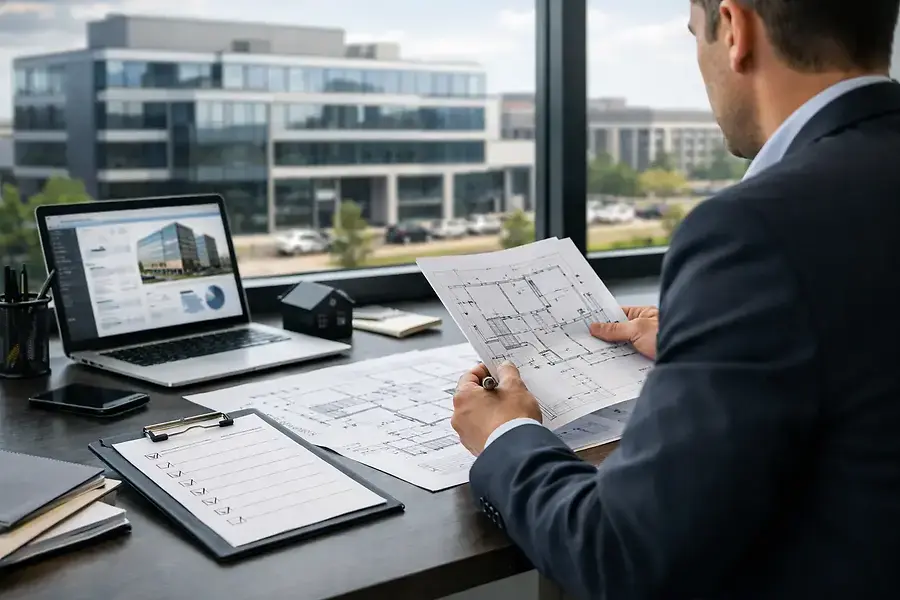
Introduction: Why Due Diligence Matters in Commercial Real Estate Transactions
Acquiring commercial real estate is one of the most significant financial decisions a business can make. Unlike residential properties, commercial real estate transactions involve complex legal structures, multiple stakeholders, and substantial capital investments. Due diligence is the systematic investigation and verification process that protects buyers from unforeseen liabilities and ensures they make informed decisions.
Without proper due diligence, buyers risk inheriting environmental contamination, structural defects, problematic tenant agreements, or hidden financial obligations. The cost of discovering these issues after purchase can far exceed the initial investment. This comprehensive checklist will guide you through each critical phase of the due diligence process.
Phase 1: Financial and Legal Documentation Review
Financial Records and Performance Analysis
Begin by requesting and thoroughly reviewing the property's financial documentation for the past three to five years. This includes:
- Operating statements and profit and loss statements
- Rent rolls showing current tenants, lease terms, and payment history
- Tax returns and property tax assessments
- Utility bills and operating expense records
- Capital improvement records and maintenance logs
Verify that the income figures match actual tenant payments and that expense claims are reasonable for the property type and location. Red flags include inconsistent income reporting, unusually high vacancy rates, or significant expense fluctuations.
Legal Documentation and Title Review
Engage a qualified real estate attorney to conduct a comprehensive title search and review all legal documents. Essential items include:
- Deed and chain of title verification
- Title insurance commitment and survey
- All existing leases and lease amendments
- Mortgage documents and lien information
- Zoning compliance and land use restrictions
- Easements, covenants, and deed restrictions
Ensure the property is free of liens and that zoning permits current and intended uses. Any restrictions could significantly impact the property's value and future development potential.
Phase 2: Property Inspection and Environmental Assessment
Structural and Physical Inspection
Hire a qualified commercial property inspector to conduct a thorough physical examination. The inspection should evaluate:
- Roof condition and remaining lifespan
- HVAC, plumbing, and electrical systems
- Foundation and structural integrity
- Parking areas and landscaping
- Safety systems and ADA compliance
- Deferred maintenance and repair costs
Request a detailed report with cost estimates for any necessary repairs. Budget for capital improvements within the first few years of ownership.
Environmental Assessment
Environmental contamination is a serious concern in commercial real estate. Conduct a Phase I Environmental Site Assessment (ESA) to identify potential environmental risks. If the Phase I reveals concerns, proceed with a Phase II ESA, which includes soil and groundwater testing.
Key environmental issues to investigate include:
- Previous industrial uses or hazardous material storage
- Asbestos, lead paint, or mold presence
- Underground storage tanks
- Groundwater contamination
- Regulatory compliance violations
Environmental remediation can be extremely costly, making this phase critical to your investment decision.
Phase 3: Tenant Analysis and Market Positioning
Tenant Quality and Lease Review
Analyze each tenant's creditworthiness and lease terms. Review:
- Tenant financial statements and credit reports
- Lease expiration dates and renewal options
- Rent escalation clauses and payment history
- Tenant improvement allowances and obligations
- Default history and lease violations
- Personal guarantees and security deposits
Tenant quality directly impacts your cash flow stability. A property with creditworthy, long-term tenants is significantly more valuable than one with short-term or financially unstable occupants.
Market Analysis and Positioning
Evaluate the property's competitive position within the local market. Consider:
- Comparable property sales and rental rates
- Local economic trends and employment growth
- Supply and demand dynamics for the property type
- Demographic trends and population growth
- Transportation access and visibility
- Future development plans in the area
Understanding market conditions helps you assess whether the asking price is reasonable and whether the property will appreciate or depreciate over your holding period.
Conclusion: Implementing Your Complete Due Diligence Strategy
Successful commercial real estate acquisition requires a systematic, thorough approach to due diligence. By following this comprehensive checklist across all three phases—financial and legal review, property inspection and environmental assessment, and tenant analysis—you significantly reduce investment risk.
Remember that due diligence is not a one-time event but an ongoing process throughout the transaction. Engage qualified professionals including real estate attorneys, accountants, inspectors, and environmental consultants. The investment in professional expertise during the due diligence phase typically pays for itself many times over by preventing costly mistakes.
Take your time, ask detailed questions, and don't hesitate to walk away if something doesn't feel right. The best deal is one where you have complete confidence in the property's condition, financial performance, and long-term viability. With this checklist as your guide, you'll be well-equipped to make informed decisions and protect your commercial real estate investment.


